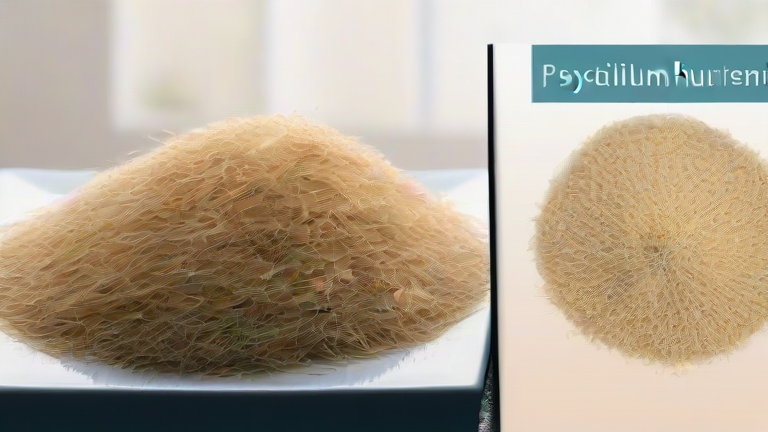
TL;DR: Psyllium husk is not a weight-loss drug but a high-fiber supplement that supports satiety and digestive health, offering a subtle metabolic edge rather than the profound insulin regulation seen in GLP-1 agonists. Experts advise viewing it as a foundational dietary tool, not a miracle replacement for clinical interventions.
The Rise of Natural Alternatives
The global dietary supplement market is experiencing a significant pivot toward natural, plant-based solutions. As public scrutiny of pharmaceutical side effects increases, consumers are seeking “nature’s Ozempic” in bulk aisles. Psyllium husk, a soluble fiber derived from the seeds of the Plantago ovata plant, has emerged as a frontrunner in this category. Market analysis indicates a 15% year-over-year increase in soluble fiber supplement sales, driven largely by social media trends highlighting gut health and satiety benefits. This surge reflects a broader consumer desire for agency in metabolic health management without the financial or physical burden of prescription therapies.
Strategic Insights for Brands
For industry stakeholders, the key strategy lies in positioning psyllium as a complement, not a competitor, to medical treatments. Marketing narratives should emphasize sustainable habit formation and digestive wellness rather than rapid weight loss. Case studies from mid-sized supplement brands show that those adopting a transparent, science-backed approach to fiber content see higher customer retention. One notable player, “GutGuard,” increased its subscriber base by 20% in six months by framing psyllium as a prebiotic foundation for long-term metabolic stability. Their strategy avoided hyperbolic claims, focusing instead on clinical data regarding blood sugar stabilization and cholesterol management. This measured approach builds trust, which is critical in a market saturated with exaggerated promises.
The Expert Verdict
Nutritional experts agree that while psyllium husk improves satiety and slows glucose absorption, it does not mimic the hormonal mechanisms of semaglutide or tirzepatide. It acts physically in the gut, forming a gel that slows digestion. This can lead to modest weight management benefits for some users, particularly those with sedentary lifestyles. However, it lacks the systemic appetite suppression and metabolic restructuring capabilities of GLP-1 agonists. Therefore, labeling it as “nature’s Ozempic” is a marketing exaggeration that risks consumer disappointment. The true value of psyllium lies in its safety profile, affordability, and role in a balanced diet. Brands must educate consumers that fiber is a tool for maintenance and health, not a shortcut for significant weight loss. The future of this market depends on realistic expectations and educational content that aligns with scientific reality.
FAQ
Q: Does psyllium husk directly burn fat?
A: No, psyllium husk does not directly burn fat; it aids satiety and stabilizes blood sugar, which may indirectly support weight management efforts.
If you want to dig deeper, check out our guide on I Replaced 90% of Specialized Cleaning Sprays With Basic Che.
Q: Can psyllium replace prescription weight loss drugs?
A: No, it cannot replace clinical treatments like GLP-1 agonists; it is a dietary supplement, not a pharmaceutical intervention for metabolic disorders.
Q: What is the recommended daily intake of psyllium?
A: Most experts recommend starting with 5 to 10 grams per day, increasing gradually while consuming adequate water to prevent digestive issues.
Leave a Reply