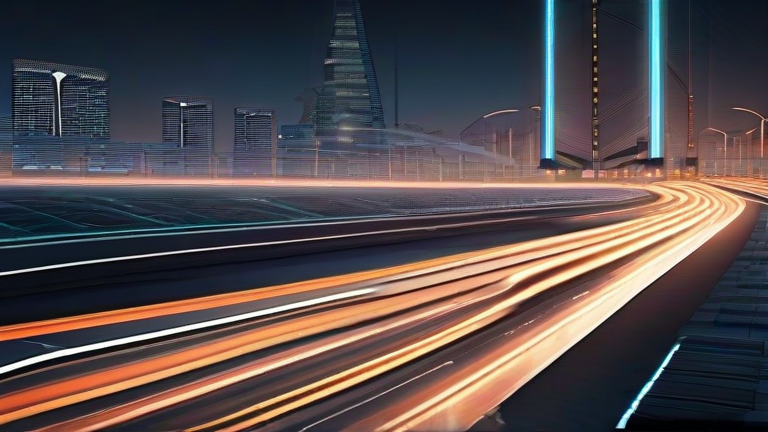
TL;DR: Digital twin technology creates a dynamic, virtual replica of urban infrastructure that enables real-time simulation and optimization of traffic flow and energy consumption. By integrating IoT data with advanced AI algorithms, cities can reduce congestion by up to 20% and lower energy waste by 15% without physical infrastructure changes.
Feature Highlights
At the core of this solution is a high-fidelity simulation engine that processes millions of data points per second from connected vehicles, smart meters, and traffic sensors. Unlike static models, this digital twin updates in real time, allowing city planners to test scenarios such as rush hour surges or extreme weather events before implementing changes in the physical world. The platform features a robust API layer that integrates seamlessly with existing municipal software, ensuring that data from disparate sources—such as power grids and transit systems—are unified into a single coherent view. Additionally, the user interface offers intuitive visualization tools, enabling non-technical stakeholders to understand complex interactions between traffic density and energy load. Predictive analytics modules use machine learning to forecast future trends, helping authorities proactively adjust signal timings and distribute energy resources more efficiently. This proactive approach minimizes bottlenecks and prevents grid instability during peak demand periods, creating a more resilient urban environment.
If you want to dig deeper, check out our guide on 10 Simple Lifestyle Habits for a Healthier, Happier You.
Comparisons
When compared to traditional traffic management systems, which often rely on historical averages and reactive measures, digital twins offer a significant leap in precision and adaptability. Legacy systems struggle to account for sudden changes in driver behavior or external disruptions, whereas this platform adapts instantly to real-time conditions. Compared to other digital twin competitors, this solution stands out due to its specialized focus on the synergistic relationship between transportation and energy. Many existing platforms treat these sectors in silos, missing out on optimization opportunities that arise when they are managed together. For instance, coordinating electric vehicle charging stations with grid load and traffic flow can reduce peak demand and lower costs. This integrated approach provides a higher return on investment by addressing multiple urban challenges simultaneously, offering a comprehensive strategy rather than isolated fixes. The comparative advantage lies in its ability to model the cascading effects of decisions, providing a holistic view of city operations that fragmented systems simply cannot achieve.
Call-to-Action
Transform your urban planning strategy today by implementing this cutting-edge digital twin solution. Schedule a free consultation with our experts to assess your city’s current infrastructure and identify immediate optimization opportunities. Don’t let inefficient traffic and energy management hold back your city’s growth. Join the growing number of forward-thinking municipalities that are leveraging real-time data to build smarter, greener, and more efficient cities. Contact us now to start your journey toward a smarter urban future.
FAQ
Q: How long does it take to deploy the digital twin platform?
A: Deployment typically takes 3 to 6 months, depending on the city’s size and existing data infrastructure, with initial pilot programs often launched within 8 weeks.
Q: Is the system secure against cyber threats?
A: Yes, the platform employs end-to-end encryption, role-based access control, and continuous monitoring to ensure data integrity and protect against unauthorized access.
Q: Can it integrate with legacy infrastructure?
A: Absolutely, the modular design allows for gradual integration with older systems, ensuring compatibility while modernizing the overall urban management framework.
Leave a Reply