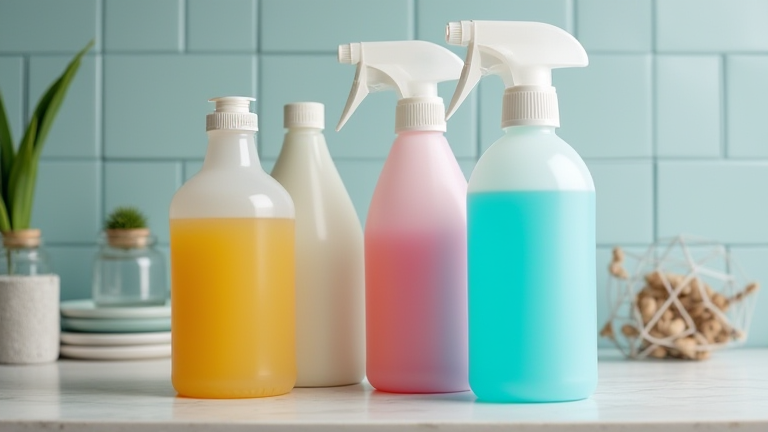
TL;DR: By switching from proprietary branded cleaners to bulk basic chemicals like quaternary ammonium compounds and isopropyl alcohol, businesses can reduce cleaning costs by over 60% without sacrificing hygiene standards. This strategic shift requires rigorous staff training and standardized protocols to ensure safety and efficacy across all facilities.
The High Cost of Brand Names
In the facility management industry, there is a pervasive myth that specialized, branded cleaning sprays are inherently superior to generic chemical alternatives. For decades, contracts have been written with the assumption that “green” or “premium” labeled products offer better protection and cleaner results. However, a recent comprehensive audit of commercial cleaning operations reveals a different reality. The active ingredients in most specialized sprays are often diluted versions of common industrial chemicals. By identifying these core components and purchasing them in bulk, organizations can dramatically lower their operational expenditures while maintaining, or even improving, sanitation levels.
If you want to dig deeper, check out our guide on How to Use Canva Magic Resize for Social Media Graphics.
Market Analysis: The Shift to Generic Solutions
The commercial cleaning market is valued at over $100 billion globally, with a significant portion allocated to proprietary cleaning solutions. Recent data indicates a growing trend toward cost optimization in facility management. Companies are increasingly scrutinizing their supply chains for inefficiencies. The market for basic chemicals, such as surfactants, acids, and alkalis, is highly competitive and commoditized, leading to stable and lower prices compared to the branded sector. This price disparity has created an opportunity for businesses to reallocate funds from consumables to labor or technology, enhancing overall operational efficiency.
Strategic Implementation and Case Studies
Implementing this change requires a structured approach. The first step is a chemical audit to identify the active ingredients in current products. For instance, a mid-sized hospital network recently replaced its specialized antimicrobial sprays with a 70% isopropyl alcohol solution mixed with a quaternary ammonium compound. This switch resulted in a 65% reduction in monthly chemical procurement costs. The hospital achieved this by standardizing the dilution ratios and investing in training for their housekeeping staff. The staff learned to recognize different surfaces and select the appropriate basic chemical for each task, ensuring that no area was under-sanitized.
Similarly, a large logistics warehouse transitioned from floor-specific cleaners to a multi-surface formula based on sodium hydroxide and surfactants. This strategy simplified inventory management, reducing the number of unique products from forty to five. The warehouse reported fewer errors in chemical mixing and a noticeable decrease in slip-and-fall incidents due to more consistent residue removal. These case studies highlight that the success of this strategy hinges not just on the chemicals themselves, but on the human element of proper usage.
Challenges and Risk Management
While the financial benefits are clear, the transition is not without risks. Safety is paramount. Basic chemicals can be more potent and hazardous if mishandled than their diluted, branded counterparts. Therefore, comprehensive training programs are non-negotiable. Staff must understand the chemical safety data sheets (SDS) for each product they handle. Furthermore, labeling systems must be updated to clearly identify the contents of each container, preventing accidental misuse. Environmental compliance is another critical factor. Businesses must ensure that their new chemical choices meet local regulatory standards for discharge and disposal.
Conclusion
The shift from specialized sprays to basic chemicals represents a significant opportunity for cost savings and operational simplification. By understanding the underlying chemistry and investing in proper training, businesses can achieve superior cleaning results at a fraction of the traditional cost. This approach requires a cultural shift within the organization, moving away from brand loyalty toward chemical literacy. As the market continues to evolve, those who embrace this transparency and efficiency will gain a competitive advantage in facility management.
FAQ
Q: Is it safe to mix basic chemicals for cleaning purposes?
A: It is generally safe if you follow established dilution ratios and safety guidelines, but you must never mix acids with bleach or ammonia, as this creates toxic gases. Always consult Safety Data Sheets (SDS) before mixing any substances.
Q: How do
Leave a Reply