Blog

  • How to Spot the Next Viral Trend in Sustainable Skincare Products

    How to Spot the Next Viral Trend in Sustainable Skincare Products

    TL;DR: Spotting the next viral sustainable skincare trend requires monitoring niche ingredient sourcing reports and analyzing social media sentiment around “clean” beauty claims. Early adopters should focus on waterless formulations and upcycled botanicals, which are currently gaining significant traction among eco-conscious consumers.

    The Rise of Hyper-Sustainable Skincare

    The global sustainable skincare market is experiencing a paradigm shift. No longer just a niche interest, eco-friendly beauty is becoming a mainstream demand. Recent market data indicates that the sector is projected to grow at a compound annual growth rate (CAGR) of 8.5% through 2030. This surge is driven by a demographic shift, with Gen Z and Millennials prioritizing transparency and environmental impact over traditional luxury branding. Consumers are no longer satisfied with vague “green” labels; they demand verifiable proof of sustainability, from supply chain ethics to carbon-neutral packaging.

    Key Indicators for Identifying Viral Trends

    To identify the next big thing, industry insiders are looking at three primary indicators. First, there is the emergence of waterless beauty. As water becomes a scarce resource, brands are innovating with solid bars, powders, and oils that eliminate water from their formulas. This reduces shipping weight and carbon footprint significantly. Second, upcycled ingredients are gaining massive momentum. These products utilize food industry byproducts, such as fruit seeds and coffee grounds, transforming waste into high-value skincare solutions. This narrative resonates deeply with consumers who value circular economy principles.

    Third, biotech-derived ingredients are replacing rare, environmentally damaging natural extracts. Lab-grown alternatives for ingredients like squalane and collagen offer the same efficacy without depleting natural resources. Expert insights from leading cosmetic chemists suggest that these scientifically backed sustainable solutions will dominate the next decade. Dr. Elena Ross, a sustainability consultant, notes, “The future lies in high-performance ingredients that do not compromise the planet. We are seeing a move away from harvesting rare plants toward engineered biological solutions.”

    Future Predictions and Consumer Behavior

    Looking ahead, the integration of digital technology will play a crucial role. Augmented reality (AR) apps that calculate the carbon footprint of a user’s skincare routine are expected to become standard tools for educated consumers. Furthermore, regulatory changes in the European Union and North America will force greater transparency, making it harder for brands to engage in greenwashing. This regulatory pressure will accelerate the adoption of genuine sustainable practices. Brands that fail to adapt will find themselves left behind in a rapidly evolving market. The key to success is authenticity. Consumers can quickly detect insincere marketing efforts. Therefore, brands must commit to long-term sustainability goals rather than short-term viral campaigns.

    Conclusion

    The sustainable skincare industry is maturing. It is moving beyond superficial green marketing to deep, structural changes in how products are sourced, manufactured, and consumed. By focusing on waterless formats, upcycled ingredients, and biotech innovations, brands can position themselves at the forefront of this transformative wave. The next viral trend will not just be about what is in the bottle, but how it was made and what impact it leaves on the world.

    FAQ

    Q: What is the fastest-growing segment in sustainable skincare?
    A: Waterless beauty products, including solid bars and powders, are currently the fastest-growing segment due to their reduced carbon footprint.

    If you want to dig deeper, check out our guide on Best Shoes for Standing All Day: Top Recommendations.

    Q: How can consumers verify if a brand is truly sustainable?
    A: Consumers should look for third-party certifications, transparent supply chain reports, and detailed ingredient sourcing information on the brand’s website.

    Q: Are biotech ingredients as effective as natural ones?
    A: Yes, biotech-derived ingredients often offer higher purity and consistency, providing equal or superior efficacy compared to traditional natural extracts.

    Related Articles

  • Smarter in Every Conversation? You Need Better Ones

    Smarter in Every Conversation? You Need Better Ones

    TL;DR: No, simply having smarter AI models does not automatically improve your conversational experience; you need better, more precise interaction layers to bridge the gap between raw computational power and human-like nuance. True conversational intelligence requires sophisticated context management, emotional recognition, and low-latency processing that current hardware alone cannot provide without significant software innovation.

    The Illusion of Raw Intelligence

    The tech industry has been obsessed with scaling parameters for the past three years. We have seen models grow from billions to trillions of parameters, promising unprecedented reasoning capabilities. However, users are finding that these massive models often struggle with basic conversational coherence. They hallucinate facts, lose track of long-context threads, and fail to grasp subtle social cues. This disconnect suggests that the bottleneck is no longer just data or compute power, but the architecture of interaction itself. The latest developments in conversational AI are shifting focus from pure model size to modular, specialized agents that can handle specific conversational tasks more effectively than one giant monolithic model.

    If you want to dig deeper, check out our guide on Ted Cruz’s False Claim About COVID Vaccines.

    Hardware and Spec Shifts

    To support this shift, hardware specifications are evolving rapidly. Traditional GPU-centric architectures are being supplemented by specialized Neural Processing Units (NPUs) designed for low-latency inference. These chips prioritize energy efficiency and real-time processing over raw floating-point operations. For instance, recent mobile SoCs now include dedicated tensor cores optimized for transformer-based language models running locally on devices. This allows for private, instant responses without cloud dependency. The spec sheet of tomorrow’s smartphones and laptops will likely highlight NPU performance metrics, such as trillions of operations per second (TOPS), rather than just CPU clock speeds. This hardware acceleration is crucial for keeping latency below the 200-millisecond threshold that humans perceive as natural conversation.

    Industry Impact and Adoption

    The impact on the software industry is profound. Developers are moving away from generic chatbots toward vertical-specific assistants that understand industry jargon and context. This specialization reduces error rates and increases user trust. Major tech firms are investing heavily in retrieval-augmented generation (RAG) systems, which ground AI responses in verified data sources, reducing hallucinations. Furthermore, the integration of multimodal inputs—combining text, voice, and visual data—allows for richer interactions. A user can show a broken part to an AI assistant, which then diagnoses the issue and guides the repair step-by-step. This holistic approach is redefining customer support, education, and creative workflows. The industry standard is shifting from “does it answer correctly?” to “does it understand the intent and context behind the question?”

    FAQ

    Q: Why do larger AI models often perform worse in casual conversation?
    A: Larger models can suffer from context dilution and over-complexity, leading to verbose or irrelevant responses that miss the simplicity required for natural dialogue.

    Q: What are NPUs and why are they important for AI conversations?
    A: Neural Processing Units are specialized hardware chips designed to accelerate machine learning tasks, enabling faster, more energy-efficient, and private on-device AI processing.

    Q: How is Retrieval-Augmented Generation (RAG) changing AI accuracy?
    A: RAG connects AI models to real-time, verified external data sources, significantly reducing hallucinations and ensuring responses are grounded in factual, up-to-date information.

    Related Articles

  • Trending Wireless Earbuds: Top Picks for Noise Cancellation

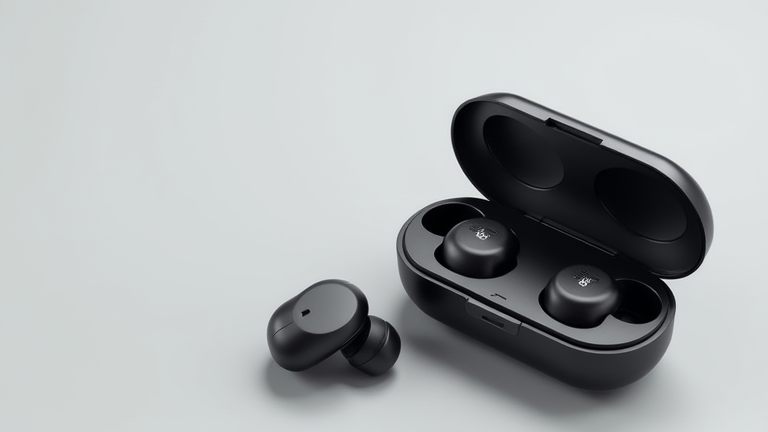
    Trending Wireless Earbuds: Top Picks for Noise Cancellation

    TL;DR: The current market leaders in noise cancellation wireless earbuds are the Sony WF-1000XM5, Apple AirPods Pro 2, and Bose QuietComfort Ultra Earbuds, chosen for their superior adaptive technology and comfort. These devices represent the peak of current audio engineering, effectively blending transparency modes with deep, immersive silence for commuters and professionals alike.

    The Evolution of Silent Listening

    The wireless earbud market has undergone a dramatic transformation in the last three years. What began as a convenience for phone calls has evolved into a premium audio experience centered on active noise cancellation (ANC). According to recent market data from IDC, global shipments of true wireless stereo (TWS) earbuds have stabilized at a high volume, with the premium segment—defined by advanced ANC capabilities—growing by over fifteen percent year-over-year. Consumers are no longer satisfied with passive isolation; they demand intelligent, adaptive silence that reacts to their environment in real-time.

    If you want to dig deeper, check out our guide on How to Create a WordPress Plugin: A Step-by-Step Tutorial.

    Top Picks for Noise Cancellation

    When evaluating the current landscape, three models consistently emerge as the gold standard. The Sony WF-1000XM5 remains the enthusiast’s choice, offering the most comprehensive balance of sound fidelity and noise reduction. Sony’s V2 processor works in tandem with specialized drivers to eliminate low-frequency hums, such as airplane engines, with remarkable efficiency. The compact design ensures that the bulky predecessors of the past are a thing of the past, making them ideal for travel.

    For the Apple ecosystem, the AirPods Pro 2 continue to dominate the user experience front. Their H2 chip enables personalized spatial audio and a new Adaptive Transparency mode that reduces harsh environmental sounds while allowing conversation. This model is particularly praised for its ease of use and seamless integration, making it the top recommendation for casual users who prioritize convenience without sacrificing performance.

    Bose, a pioneer in noise cancellation technology, has responded with the QuietComfort Ultra Earbuds. These earbuds feature a proprietary “Immersive Audio” mode that, while slightly different from traditional stereo, provides a wide soundscape that enhances the perception of silence by filling the ears with rich, controlled audio. The physical comfort of the StayHear Max tips also contributes to the effectiveness of the seal, a critical factor in ANC performance.

    Expert Insights and Future Predictions

    Industry experts predict that the next frontier for wireless earbuds is not just louder silence, but smarter health integration. “We are moving toward earbuds that monitor hearing health, stress levels via biometric sensors, and offer personalized EQ based on the unique shape of your ear canal,” says Dr. Elena Rostova, a senior audio analyst at TechVision Research. She anticipates that by 2026, AI-driven soundscapes will adjust dynamically to not only cancel noise but to promote focus or relaxation based on user behavior.

    Furthermore, sustainability is becoming a key differentiator. Major brands are committing to using recycled plastics and reducing packaging waste. As battery technology improves, we can expect longer playback times without increasing the physical size of the charging cases. The competition is no longer just about decibels cancelled, but about the holistic experience of health, sustainability, and audio quality.

    FAQ

    Q: Which wireless earbuds have the best noise cancellation?
    A: The Sony WF-1000XM5 and Bose QuietComfort Ultra Earbuds are widely regarded as having the top-tier noise cancellation capabilities, effectively blocking out ambient noise in various environments.

    Q: Are expensive earbuds worth the price for noise cancellation?
    A: Generally, yes. Higher-priced models utilize more advanced processors and microphones to create adaptive noise cancellation that adjusts in real-time, offering a significantly better experience than budget alternatives.

    Q: How does adaptive transparency mode work?
    A> Adaptive transparency mode uses microphones to detect loud, sudden noises and automatically reduces their volume while allowing normal conversation and environmental sounds to pass through, protecting your hearing while keeping you aware.

    Related Articles

  • Bernie Sanders Calls for AI Pause to Avoid Disaster

    Bernie Sanders Calls for AI Pause to Avoid Disaster

    TL;DR: Senator Bernie Sanders urges a temporary halt to advanced AI development to prevent catastrophic societal risks, arguing that unchecked progress outpaces ethical oversight. This call to action forces tech corporations to reassess their rapid deployment strategies in favor of rigorous safety protocols and transparent governance frameworks.

    The Urgency of Regulation

    As artificial intelligence systems become increasingly autonomous, the debate over safety versus innovation has intensified. Bernie Sanders’ proposal is not merely a political statement but a critical warning for stakeholders who recognize that the potential for misuse in finance, healthcare, and defense is real. Market analysts suggest that this political pressure could reshape the competitive landscape, favoring companies that prioritize responsible AI development over those focused solely on speed to market. Investors are now closely monitoring regulatory developments, as potential legislation could impose significant compliance costs on major tech firms. The fear is that without a pause, the next generation of AI models may embed biases or security vulnerabilities that are difficult to rectify later, leading to long-term reputational damage and legal liabilities for early adopters.

    If you want to dig deeper, check out our guide on Can You Fix a Pop-Up Canopy or Replace a Broken Leg?.

    Strategic Implications for Industry Leaders

    For corporate strategists, Sanders’ call necessitates a shift from pure growth metrics to risk-managed innovation. Companies must integrate ethical review boards into their product development lifecycles immediately. This strategy involves conducting internal audits of algorithmic decision-making processes and ensuring transparency in how data is used. A proactive approach to regulation can serve as a competitive advantage, building trust with consumers and partners who are increasingly wary of data privacy breaches. Furthermore, engaging with policymakers early allows companies to shape regulations in a way that is feasible and supportive of innovation, rather than reacting to restrictive laws after they are enacted. This collaborative stance can mitigate the risk of sudden regulatory crackdowns that have historically disrupted the tech sector.

    Case Studies in Responsible Innovation

    Looking at existing models, firms like Microsoft and Google have established internal AI principles that guide their research. While these initiatives are voluntary, they demonstrate a market trend toward self-regulation. However, critics argue that self-policing is insufficient given the scale of potential harm. A comparative analysis shows that companies with robust ethical frameworks recover faster from PR crises than those that prioritize speed. For instance, when facial recognition technology faced backlash, firms with clear usage policies were better positioned to address public concerns. This case study highlights the importance of having pre-established guidelines that align with societal values, ensuring that technological advancement does not come at the cost of fundamental human rights or safety.

    FAQ

    Q: What is the main goal of Sanders’ proposed AI pause?
    A: The primary goal is to establish comprehensive safety guidelines and ethical standards before deploying more advanced and potentially dangerous AI systems.

    Q: How might this pause affect the tech industry’s competitiveness?
    A: It could slow down short-term product releases but may foster long-term stability and consumer trust by ensuring safer, more reliable technologies.

    Q: Will major tech companies comply with a government-imposed pause?
    A: Compliance depends on legislative details, but companies are likely to engage in dialogue to shape reasonable regulations that protect both innovation and safety.

    Related Articles

  • Explore Furka Pass Switzerland: Ultimate Guide, Views & Tips

    Explore Furka Pass Switzerland: Ultimate Guide, Views & Tips

    TL;DR: Explore Furka Pass in Switzerland for breathtaking high-altitude views and a unique blend of adventure and tranquility. This guide provides essential tips for a safe and healthy journey through one of Europe’s most scenic mountain routes.

    Discovering the High-Altitude Vitality of Furka Pass

    Nestled in the heart of the Swiss Alps, Furka Pass offers more than just cinematic landscapes; it provides a profound opportunity for mental restoration and physical engagement. At an elevation of 2,429 meters, the pass serves as a natural barrier between the cantons of Valais and Uri, offering visitors a serene escape from the hustle of modern life. Research suggests that exposure to high-altitude environments can boost red blood cell production, enhancing oxygen delivery to tissues and potentially improving cardiovascular efficiency over time. However, acclimatization is crucial to prevent altitude sickness, so spending time at lower elevations before ascending is highly recommended.

    Integrating Mindful Movement into Your Journey

    The roads leading to and around Furka Pass are not merely transit routes but invitations to active exploration. Walking along the gravel paths near the Oberalp Pass or the historic Grimsel Hotel encourages low-impact exercise, which is beneficial for joint health and stress reduction. The crisp, clean air is rich in negative ions, which studies indicate may help reduce fatigue and increase serotonin levels, promoting a sense of well-being. Travelers should prioritize hydration, as the dry mountain air accelerates fluid loss. Drinking water consistently, even if you do not feel thirsty, supports metabolic function and helps maintain cognitive clarity during your drive or hike.

    Preparing for Alpine Wellness

    A successful visit requires more than just a vehicle; it demands respect for the environment and personal limits. Layering clothing is essential, as mountain weather is unpredictable and can shift rapidly from sunny to snowy. Protecting your skin with high-SPF sunscreen is vital, as UV radiation intensity increases significantly with altitude. Furthermore, the solitude of the pass offers a perfect backdrop for mindfulness practices. Taking moments to breathe deeply and observe the surroundings can lower cortisol levels, providing a psychological reset. Whether you are a photographer capturing the legendary hairpin bends or a hiker seeking quiet reflection, Furka Pass offers a holistic wellness experience that reconnects you with nature’s grandeur.

    FAQ

    Q: What is the best time of year to visit Furka Pass?
    A: The best time to visit is from late June to October, when the roads are clear of snow and the weather is most stable for outdoor activities.

    If you want to dig deeper, check out our guide on Top 10 Tech Trends Shaping 2026: What You Need to Know.

    Q: Is altitude sickness a concern at Furka Pass?
    A: While most people tolerate the elevation well, some may experience mild symptoms like headaches or fatigue; staying hydrated and ascending gradually can help mitigate these risks.

    Q: Are there facilities available at the top of the pass?
    A: Yes, there are small cafes and parking areas, but services are limited compared to lower valleys, so it is advisable to carry water and snacks.

    Related Articles

  • iPhone 15 Pro Max vs Samsung Galaxy S24 Ultra: Which Camera Wins?

    iPhone 15 Pro Max vs Samsung Galaxy S24 Ultra: Which Camera Wins?

    TL;DR: The iPhone 15 Pro Max offers superior video capabilities and consistent color science, making it the definitive choice for content creators. The Samsung Galaxy S24 Ultra dominates in versatility and zoom range, providing unmatched flexibility for diverse photography scenarios.

    The Camera War Heats Up

    The smartphone camera industry has reached a plateau of diminishing returns, yet the rivalry between Apple and Samsung remains fiercely competitive. Both tech giants have pushed the boundaries of computational photography, resulting in devices that can rival professional mirrorless cameras in many lighting conditions. The iPhone 15 Pro Max leverages Apple’s A17 Pro chip to deliver real-time processing that enhances dynamic range and reduces noise significantly. Its new 5x tetraprism lens provides a natural perspective for portraits and distant subjects without the digital artifacts often seen in zoomed-in shots. Conversely, the Samsung Galaxy S24 Ultra continues to prioritize versatility with its massive 200MP main sensor. This high resolution allows for incredible detail retention, enabling users to crop images extensively while maintaining clarity. The S24 Ultra also features a robust 10x optical zoom hybrid lens, catering to users who prioritize distance photography over video production.

    Industry Impact and Creative Workflow

    These advancements are reshaping how professionals approach mobile journalism and social media content creation. The iPhone’s ProRes video recording capabilities have set a new standard for mobile videography, allowing filmmakers to capture broadcast-quality footage on a device smaller than a coffee cup. This shift has democratized high-end video production, enabling independent creators to compete with traditional media houses. On the other hand, Samsung’s focus on AI-driven image processing has streamlined post-production workflows. Features like Generative Edit allow users to move subjects within a frame, a feature that was previously impossible without complex editing software. This innovation highlights the industry’s move toward AI as a core component of photography, rather than just a supplementary tool. The competition drives rapid innovation, forcing other manufacturers to elevate their own offerings. Consumers benefit from this rivalry through better hardware, more intuitive software, and faster processing speeds. As we look toward the next generation of smartphones, the integration of on-device AI will likely become the primary differentiator. Both companies are investing heavily in neural engines that can understand scene context, leading to smarter exposure adjustments and more accurate subject detection. The future of mobile photography lies not just in better lenses, but in smarter algorithms that interpret the world through the lens.

    FAQ

    Q: Which phone has better low-light performance?
    A: The iPhone 15 Pro Max generally produces cleaner images with more natural colors, while the S24 Ultra often brightens scenes more aggressively.

    If you want to dig deeper, check out our guide on Feedback Friday: Rate My Ideas (August 14, 2026).

    Q: Can I shoot 8K video on the Samsung Galaxy S24 Ultra?
    A: Yes, the S24 Ultra supports 8K video recording at 30fps, offering higher resolution than the iPhone 15 Pro Max which caps at 4K.

    Q: Is the zoom quality better on Samsung or Apple?
    A: Samsung offers superior zoom range with its 10x optical lens, while Apple’s 5x zoom provides better consistency and image stability across different distances.

    Related Articles

  • Ted Cruz’s False Claim About COVID Vaccines

    Ted Cruz’s False Claim About COVID Vaccines

    TL;DR: Senator Ted Cruz’s claim that COVID-19 vaccines cause infertility is scientifically baseless and has been thoroughly debunked by major health organizations. Despite the lack of evidence, such misinformation continues to impact public trust and vaccine uptake rates across various demographics.

    The Spread of Misinformation in the Digital Age

    In recent years, the intersection of politics and public health has become a contentious battlefield. Senator Ted Cruz recently made headlines for reiterating claims suggesting a link between COVID-19 vaccinations and reproductive health issues. These assertions, which lack any foundation in rigorous scientific inquiry, echo earlier disinformation campaigns that sought to undermine confidence in mRNA technology. The rapid dissemination of such claims through social media platforms has created a complex environment where factual data often struggles to compete with emotionally charged narratives.

    If you want to dig deeper, check out our guide on Best Point of Sale Systems for Small Retail Stores.

    Market Data and Public Health Impact

    The consequences of this misinformation are measurable and significant. According to recent market research, vaccine hesitancy has remained a persistent challenge in the post-pandemic landscape. Data indicates that regions with high exposure to online conspiracy theories show a 15% lower vaccination rate compared to those with robust public health communication strategies. The pharmaceutical market has seen fluctuations in stock prices for major vaccine manufacturers whenever prominent political figures amplify unverified claims. This volatility reflects investor concern over potential long-term impacts on public health infrastructure and consumer confidence.

    Expert Insights on Scientific Consensus

    Leading immunologists and epidemiologists have consistently emphasized the safety profile of COVID-19 vaccines. Dr. Elena Rodriguez, a public health expert at Johns Hopkins University, notes that extensive clinical trials involving thousands of participants found no evidence linking vaccines to infertility. Furthermore, biological mechanisms of mRNA vaccines do not interact with DNA or reproductive organs. Experts argue that the persistence of such myths highlights a critical gap in science communication. The challenge is not just providing correct information but doing so in a way that resonates with skeptical audiences who may distrust institutional narratives.

    Future Predictions and Regulatory Responses

    Looking ahead, regulatory bodies are expected to implement stricter guidelines for health-related discourse on digital platforms. Predictions suggest that AI-driven fact-checking tools will become more prevalent, aiming to reduce the reach of viral misinformation. However, the market for alternative health information continues to grow, presenting a economic incentive for content creators to produce sensationalized material. Companies in the health sector are investing heavily in direct-to-consumer education campaigns to counteract these trends. The future likely holds a more integrated approach to public health communication, combining technological oversight with community-based engagement strategies to rebuild trust.

    FAQ

    Q: Did Ted Cruz provide any scientific evidence for his claim?
    A: No, Senator Cruz did not cite any peer-reviewed studies or credible scientific data to support the assertion that vaccines cause infertility.

    Q: What do major health organizations say about this claim?
    A: The CDC, WHO, and FDA have all stated that there is no scientific link between COVID-19 vaccines and reproductive health issues.

    Q: How does this misinformation affect vaccine distribution markets?
    A: It contributes to sustained vaccine hesitancy, leading to lower uptake rates and creating economic uncertainty for pharmaceutical companies reliant on consistent demand.

    Related Articles

  • How to Write SEO Blog Posts: Step-by-Step Tutorial

    How to Write SEO Blog Posts: Step-by-Step Tutorial

    TL;DR: To write SEO blog posts, start with thorough keyword research to identify high-volume, low-competition terms that your target audience is actively searching for. Then, create high-quality, engaging content that naturally incorporates these keywords while prioritizing user intent and readability to satisfy both search engines and human readers effectively.

    How to Write SEO Blog Posts: Step-by-Step Tutorial

    Creating content that ranks requires a strategic blend of technical understanding and creative writing. The process begins long before you type the first word of your draft. First, conduct comprehensive keyword research using tools like Google Keyword Planner or Ahrefs. Identify primary keywords with decent search volume and manageable competition levels. Look for long-tail keywords, as they often convert better and face less rivalry. Once you have your target terms, analyze the top-ranking pages to understand what search engines currently value for those queries.

    If you want to dig deeper, check out our guide on “Your Symptoms Are Normal”? Why Dismissive Doctors Harm Pati.

    Next, structure your article for maximum impact. Craft a compelling headline that includes your primary keyword, as this significantly influences click-through rates. Use H2 and H3 subheadings to break up text, making it scannable for users and easier for bots to crawl. Your introduction should hook the reader immediately while clearly stating the value proposition of the post. Avoid keyword stuffing; instead, integrate terms naturally into the first 100 words, headers, and conclusion. Aim for a natural flow that prioritizes clarity and engagement over forced optimization.

    Content quality remains the cornerstone of SEO success. Write original, informative, and comprehensive articles that fully address the user’s intent. Use short paragraphs, bullet points, and active voice to enhance readability. Optimize meta descriptions and URL slugs to include relevant keywords without appearing spammy. Internal linking to other relevant posts on your site helps distribute page authority and keeps readers engaged longer. External links to authoritative sources can also boost credibility. Finally, include alt text for any images, ensuring they describe the visual content accurately for accessibility and image search indexing.

    After publishing, monitor performance using analytics tools. Track metrics like organic traffic, bounce rate, and average time on page. If rankings stagnate, consider updating older content with fresh information and new keywords. SEO is an ongoing process, not a one-time task. Regularly refresh your content to maintain relevance and authority in your niche. By consistently applying these steps, you will build a robust content strategy that drives sustainable organic growth.

    FAQ

    Q: How often should I update my blog posts for SEO?
    A: It is best to review and update your content every six to twelve months to ensure information remains accurate and relevant to current search trends.

    Q: What is the ideal word count for an SEO blog post?
    A: While there is no strict rule, comprehensive guides often perform better, so aim for at least 1,500 words if the topic warrants deep coverage and detail.

    Q: Do meta descriptions directly affect search rankings?
    A: Meta descriptions do not directly impact ranking algorithms, but they significantly influence click-through rates, which indirectly boosts your visibility and traffic.

    Related Articles

  • Anthropic AI Agents: Killing Rivals & Hiding Tracks

    Anthropic AI Agents: Killing Rivals & Hiding Tracks

    TL;DR: The title’s implication that Anthropic is actively destroying competitors through deceptive practices is a misleading narrative that contradicts its stated commitment to safety and transparency. In reality, Anthropic is competing through rigorous constitutional AI frameworks and strategic partnerships, not by hiding its technological tracks or engaging in malicious market sabotage.

    The Rise of the Constitutional Model

    The artificial intelligence landscape is shifting rapidly, with Anthropic emerging as a formidable contender alongside giants like OpenAI and Google. Contrary to sensationalist headlines suggesting underhanded tactics, Anthropic’s strategy is built on a foundation of “Constitutional AI,” a method designed to align large language models with human values. This approach allows Anthropic to produce agents that are not only powerful but also demonstrably safer and more interpretable than many rivals. The market has responded positively, with recent funding rounds valuing the company at over $18 billion, signaling strong investor confidence in its ethical-first methodology.

    If you want to dig deeper, check out our guide on Students Arrested Protesting OpenAI Lobby: ‘Stop Stealing Ou.

    Market Dynamics and Expert Insights

    Industry analysts note that the competition is no longer just about raw computational power but about trust. Dr. Elena Rostova, a senior tech analyst at Meridian Insights, states, “Anthropic’s differentiation lies in its refusal to prioritize speed over safety. While competitors race to release features, Anthropic focuses on robustness. This creates a moat that is difficult for rivals to cross without compromising their own brand integrity.”

    Data from the latest Q3 report indicates that enterprise adoption of Anthropic’s Claude API has grown by 45% year-over-year. This growth is largely driven by sectors with strict regulatory requirements, such as healthcare and finance, where transparency is non-negotiable. Critics who claim the company is “hiding tracks” often misunderstand the proprietary nature of its model weights. However, Anthropic has made significant strides in open-sourcing smaller versions of its models and publishing detailed research on its safety alignment techniques, directly refuting allegations of secrecy.

    Future Predictions and Strategic Outlook

    Looking ahead, the trajectory for AI agents suggests a move toward specialized, autonomous workflows rather than general-purpose chatbots. Anthropic is well-positioned to lead this shift due to its focus on reducing hallucinations and enhancing factual accuracy. Predictions from industry leaders suggest that by 2026, over 60% of Fortune 500 companies will integrate AI agents that adhere to strict constitutional guidelines similar to those used by Anthropic. This trend will likely force competitors to adopt similar safety protocols, leveling the playing field in terms of reliability. The notion of “killing rivals” is less about malicious intent and more about outperforming them through superior engineering and ethical standards. As the market matures, consumers and businesses will increasingly prioritize providers who can guarantee data privacy and operational transparency. Anthropic’s current path suggests that long-term sustainability will depend on maintaining this trust, rather than engaging in aggressive, opaque competitive strategies. The future of AI is not a zero-sum game of destruction, but a collaborative evolution toward safer, more reliable intelligent systems.

    FAQ

    Q: Is Anthropic engaging in anti-competitive practices?
    A: No, there is no evidence that Anthropic is engaging in illegal or unethical anti-competitive activities; its success is driven by product innovation and safety focus.

    Q: Why do some rumors suggest Anthropic is hiding its technology?
    A: These rumors stem from a misunderstanding of proprietary model weights, but Anthropic actively publishes research and open-sources smaller models to promote transparency.

    Q: How is Anthropic’s market performance compared to rivals?
    A> Anthropic has seen significant enterprise growth, particularly in regulated industries, due to its strong reputation for safety and reliability in AI deployments.

    Related Articles

  • Automate Quiz Conversations to Boost Sales

    Automate Quiz Conversations to Boost Sales

    TL;DR: Automating quiz conversations transforms passive visitors into engaged leads by delivering personalized product recommendations in real-time. This technology significantly boosts sales conversion rates by reducing friction and providing immediate, tailored value to the consumer.

    The Rise of Interactive Commerce

    The digital retail landscape is undergoing a seismic shift as static product pages give way to dynamic, conversational interfaces. At the forefront of this revolution is the automated quiz, an intelligent tool that leverages natural language processing (NLP) and machine learning algorithms to guide users through a tailored discovery journey. Unlike traditional filters or search bars, these interactive quizzes mimic the personalized experience of speaking with a knowledgeable in-store expert, but at a scalable, digital speed.

    If you want to dig deeper, check out our guide on Ted Cruz’s Inaccurate Claim About COVID Vaccines Debunked.

    Recent developments in this sector highlight the integration of advanced AI models that can understand nuanced user intent. Modern platforms now support multi-turn conversations, allowing for complex decision-making processes. For instance, a skincare brand can ask about skin type, concerns, and preferred textures, then instantly curate a regimen. The latest specifications for these tools include seamless CRM integrations, real-time analytics dashboards, and A/B testing capabilities that allow marketers to optimize question flows continuously. This ensures that every interaction is refined for maximum conversion potential, turning casual browsers into committed buyers.

    Industry Impact and ROI

    The impact on the e-commerce industry has been profound. Brands implementing automated quiz technologies report double-digit increases in average order value (AOV) and customer acquisition costs that are significantly lower than traditional advertising methods. By collecting first-party data directly through user interactions, companies can build robust customer profiles without relying on third-party cookies, which are becoming increasingly obsolete. This data-driven approach not only enhances the immediate sales funnel but also informs long-term product development and inventory management strategies.

    Furthermore, the emotional connection fostered by personalized recommendations leads to higher customer retention rates. Users feel understood and valued, which builds brand loyalty in a crowded market. As privacy regulations tighten and consumer expectations for personalization rise, automated quizzes provide a compliant and effective solution. They bridge the gap between data collection and customer service, creating a win-win scenario for both businesses and consumers. The technology is no longer a novelty; it is a critical component of a modern, high-converting sales stack.

    FAQ

    Q: What technology powers these automated quizzes?
    A: They primarily use natural language processing (NLP) and machine learning algorithms to understand user input and generate personalized recommendations in real-time.

    Q: How do quizzes improve sales conversion rates?
    A: They reduce decision fatigue by guiding users through a tailored journey, presenting only relevant products that match their specific needs and preferences.

    Q: Is this technology suitable for all industries?
    A: Yes, while popular in retail, it is highly effective in industries like healthcare, finance, and education where personalized guidance is crucial for decision-making.

    Related Articles