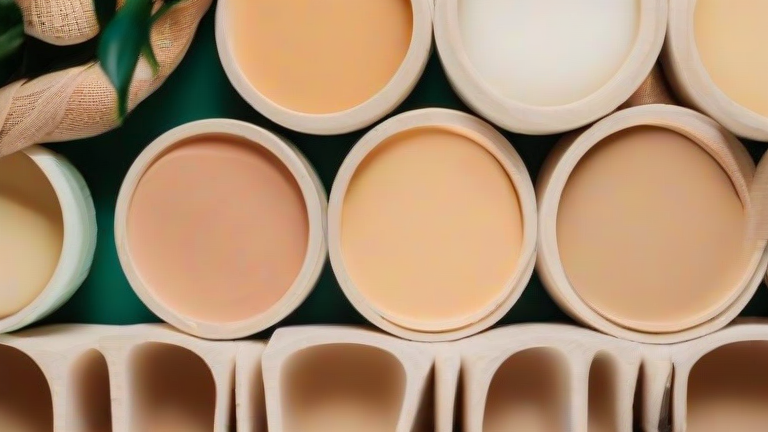
TL;DR: Spotting the next viral sustainable skincare trend requires monitoring niche ingredient sourcing reports and analyzing social media sentiment around “clean” beauty claims. Early adopters should focus on waterless formulations and upcycled botanicals, which are currently gaining significant traction among eco-conscious consumers.
The Rise of Hyper-Sustainable Skincare
The global sustainable skincare market is experiencing a paradigm shift. No longer just a niche interest, eco-friendly beauty is becoming a mainstream demand. Recent market data indicates that the sector is projected to grow at a compound annual growth rate (CAGR) of 8.5% through 2030. This surge is driven by a demographic shift, with Gen Z and Millennials prioritizing transparency and environmental impact over traditional luxury branding. Consumers are no longer satisfied with vague “green” labels; they demand verifiable proof of sustainability, from supply chain ethics to carbon-neutral packaging.
Key Indicators for Identifying Viral Trends
To identify the next big thing, industry insiders are looking at three primary indicators. First, there is the emergence of waterless beauty. As water becomes a scarce resource, brands are innovating with solid bars, powders, and oils that eliminate water from their formulas. This reduces shipping weight and carbon footprint significantly. Second, upcycled ingredients are gaining massive momentum. These products utilize food industry byproducts, such as fruit seeds and coffee grounds, transforming waste into high-value skincare solutions. This narrative resonates deeply with consumers who value circular economy principles.
Third, biotech-derived ingredients are replacing rare, environmentally damaging natural extracts. Lab-grown alternatives for ingredients like squalane and collagen offer the same efficacy without depleting natural resources. Expert insights from leading cosmetic chemists suggest that these scientifically backed sustainable solutions will dominate the next decade. Dr. Elena Ross, a sustainability consultant, notes, “The future lies in high-performance ingredients that do not compromise the planet. We are seeing a move away from harvesting rare plants toward engineered biological solutions.”
Future Predictions and Consumer Behavior
Looking ahead, the integration of digital technology will play a crucial role. Augmented reality (AR) apps that calculate the carbon footprint of a user’s skincare routine are expected to become standard tools for educated consumers. Furthermore, regulatory changes in the European Union and North America will force greater transparency, making it harder for brands to engage in greenwashing. This regulatory pressure will accelerate the adoption of genuine sustainable practices. Brands that fail to adapt will find themselves left behind in a rapidly evolving market. The key to success is authenticity. Consumers can quickly detect insincere marketing efforts. Therefore, brands must commit to long-term sustainability goals rather than short-term viral campaigns.
Conclusion
The sustainable skincare industry is maturing. It is moving beyond superficial green marketing to deep, structural changes in how products are sourced, manufactured, and consumed. By focusing on waterless formats, upcycled ingredients, and biotech innovations, brands can position themselves at the forefront of this transformative wave. The next viral trend will not just be about what is in the bottle, but how it was made and what impact it leaves on the world.
FAQ
Q: What is the fastest-growing segment in sustainable skincare?
A: Waterless beauty products, including solid bars and powders, are currently the fastest-growing segment due to their reduced carbon footprint.
If you want to dig deeper, check out our guide on Best Shoes for Standing All Day: Top Recommendations.
Q: How can consumers verify if a brand is truly sustainable?
A: Consumers should look for third-party certifications, transparent supply chain reports, and detailed ingredient sourcing information on the brand’s website.
Q: Are biotech ingredients as effective as natural ones?
A: Yes, biotech-derived ingredients often offer higher purity and consistency, providing equal or superior efficacy compared to traditional natural extracts.
Leave a Reply