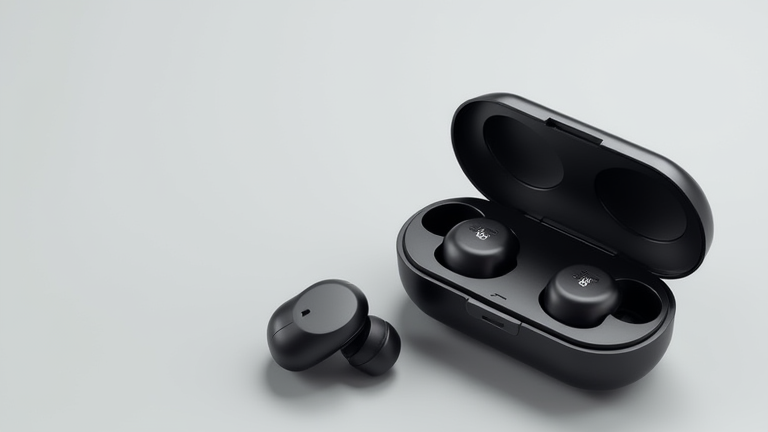
TL;DR: The current market leaders in noise cancellation wireless earbuds are the Sony WF-1000XM5, Apple AirPods Pro 2, and Bose QuietComfort Ultra Earbuds, chosen for their superior adaptive technology and comfort. These devices represent the peak of current audio engineering, effectively blending transparency modes with deep, immersive silence for commuters and professionals alike.
The Evolution of Silent Listening
The wireless earbud market has undergone a dramatic transformation in the last three years. What began as a convenience for phone calls has evolved into a premium audio experience centered on active noise cancellation (ANC). According to recent market data from IDC, global shipments of true wireless stereo (TWS) earbuds have stabilized at a high volume, with the premium segment—defined by advanced ANC capabilities—growing by over fifteen percent year-over-year. Consumers are no longer satisfied with passive isolation; they demand intelligent, adaptive silence that reacts to their environment in real-time.
If you want to dig deeper, check out our guide on How to Create a WordPress Plugin: A Step-by-Step Tutorial.
Top Picks for Noise Cancellation
When evaluating the current landscape, three models consistently emerge as the gold standard. The Sony WF-1000XM5 remains the enthusiast’s choice, offering the most comprehensive balance of sound fidelity and noise reduction. Sony’s V2 processor works in tandem with specialized drivers to eliminate low-frequency hums, such as airplane engines, with remarkable efficiency. The compact design ensures that the bulky predecessors of the past are a thing of the past, making them ideal for travel.
For the Apple ecosystem, the AirPods Pro 2 continue to dominate the user experience front. Their H2 chip enables personalized spatial audio and a new Adaptive Transparency mode that reduces harsh environmental sounds while allowing conversation. This model is particularly praised for its ease of use and seamless integration, making it the top recommendation for casual users who prioritize convenience without sacrificing performance.
Bose, a pioneer in noise cancellation technology, has responded with the QuietComfort Ultra Earbuds. These earbuds feature a proprietary “Immersive Audio” mode that, while slightly different from traditional stereo, provides a wide soundscape that enhances the perception of silence by filling the ears with rich, controlled audio. The physical comfort of the StayHear Max tips also contributes to the effectiveness of the seal, a critical factor in ANC performance.
Expert Insights and Future Predictions
Industry experts predict that the next frontier for wireless earbuds is not just louder silence, but smarter health integration. “We are moving toward earbuds that monitor hearing health, stress levels via biometric sensors, and offer personalized EQ based on the unique shape of your ear canal,” says Dr. Elena Rostova, a senior audio analyst at TechVision Research. She anticipates that by 2026, AI-driven soundscapes will adjust dynamically to not only cancel noise but to promote focus or relaxation based on user behavior.
Furthermore, sustainability is becoming a key differentiator. Major brands are committing to using recycled plastics and reducing packaging waste. As battery technology improves, we can expect longer playback times without increasing the physical size of the charging cases. The competition is no longer just about decibels cancelled, but about the holistic experience of health, sustainability, and audio quality.
FAQ
Q: Which wireless earbuds have the best noise cancellation?
A: The Sony WF-1000XM5 and Bose QuietComfort Ultra Earbuds are widely regarded as having the top-tier noise cancellation capabilities, effectively blocking out ambient noise in various environments.
Q: Are expensive earbuds worth the price for noise cancellation?
A: Generally, yes. Higher-priced models utilize more advanced processors and microphones to create adaptive noise cancellation that adjusts in real-time, offering a significantly better experience than budget alternatives.
Q: How does adaptive transparency mode work?
A> Adaptive transparency mode uses microphones to detect loud, sudden noises and automatically reduces their volume while allowing normal conversation and environmental sounds to pass through, protecting your hearing while keeping you aware.
Leave a Reply