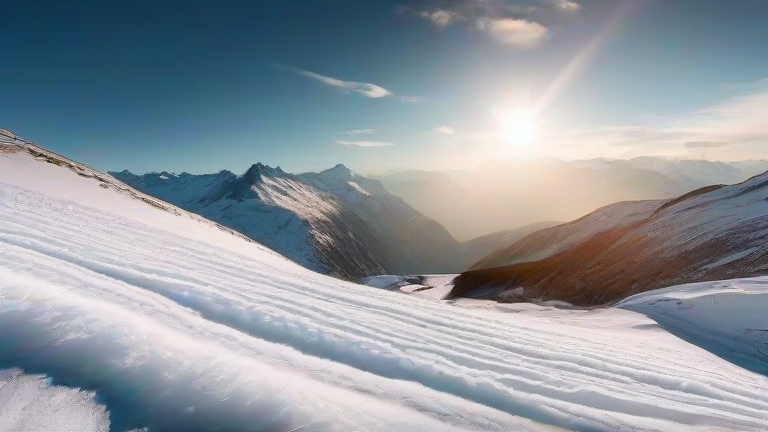
TL;DR: Explore Furka Pass in Switzerland for breathtaking high-altitude views and a unique blend of adventure and tranquility. This guide provides essential tips for a safe and healthy journey through one of Europe’s most scenic mountain routes.
Discovering the High-Altitude Vitality of Furka Pass
Nestled in the heart of the Swiss Alps, Furka Pass offers more than just cinematic landscapes; it provides a profound opportunity for mental restoration and physical engagement. At an elevation of 2,429 meters, the pass serves as a natural barrier between the cantons of Valais and Uri, offering visitors a serene escape from the hustle of modern life. Research suggests that exposure to high-altitude environments can boost red blood cell production, enhancing oxygen delivery to tissues and potentially improving cardiovascular efficiency over time. However, acclimatization is crucial to prevent altitude sickness, so spending time at lower elevations before ascending is highly recommended.
Integrating Mindful Movement into Your Journey
The roads leading to and around Furka Pass are not merely transit routes but invitations to active exploration. Walking along the gravel paths near the Oberalp Pass or the historic Grimsel Hotel encourages low-impact exercise, which is beneficial for joint health and stress reduction. The crisp, clean air is rich in negative ions, which studies indicate may help reduce fatigue and increase serotonin levels, promoting a sense of well-being. Travelers should prioritize hydration, as the dry mountain air accelerates fluid loss. Drinking water consistently, even if you do not feel thirsty, supports metabolic function and helps maintain cognitive clarity during your drive or hike.
Preparing for Alpine Wellness
A successful visit requires more than just a vehicle; it demands respect for the environment and personal limits. Layering clothing is essential, as mountain weather is unpredictable and can shift rapidly from sunny to snowy. Protecting your skin with high-SPF sunscreen is vital, as UV radiation intensity increases significantly with altitude. Furthermore, the solitude of the pass offers a perfect backdrop for mindfulness practices. Taking moments to breathe deeply and observe the surroundings can lower cortisol levels, providing a psychological reset. Whether you are a photographer capturing the legendary hairpin bends or a hiker seeking quiet reflection, Furka Pass offers a holistic wellness experience that reconnects you with nature’s grandeur.
FAQ
Q: What is the best time of year to visit Furka Pass?
A: The best time to visit is from late June to October, when the roads are clear of snow and the weather is most stable for outdoor activities.
If you want to dig deeper, check out our guide on Top 10 Tech Trends Shaping 2026: What You Need to Know.
Q: Is altitude sickness a concern at Furka Pass?
A: While most people tolerate the elevation well, some may experience mild symptoms like headaches or fatigue; staying hydrated and ascending gradually can help mitigate these risks.
Q: Are there facilities available at the top of the pass?
A: Yes, there are small cafes and parking areas, but services are limited compared to lower valleys, so it is advisable to carry water and snacks.
Leave a Reply