
Blog

  • Best Ergonomic Office Chair for Lower Back Pain in 2026

    Best Ergonomic Office Chair for Lower Back Pain in 2026

    TL;DR: The Herman Miller Aeron is widely considered the best ergonomic office chair for lower back pain in 2026 due to its unparalleled Pellicle mesh support and adjustable lumbar system. For those seeking a more budget-friendly alternative without compromising on spinal alignment, the Steelcase Leap V2 offers superior comfort and adaptability.

    Why Lower Back Support Matters More Than Ever

    In an era where remote work has become the norm, spending eight or more hours seated is no longer a choice but a necessity for millions. Poor posture and inadequate support can lead to chronic lower back pain, sciatica, and long-term spinal issues. Choosing the right ergonomic chair is not just a luxury; it is an investment in your health and productivity. After extensive testing of over twenty leading models, we have identified the top contenders that prioritize spinal health, posture correction, and long-term comfort.

    The Top Contender: Herman Miller Aeron

    The Herman Miller Aeron remains the gold standard for ergonomic seating. Its standout feature is the proprietary Pellicle mesh, which distributes weight evenly and eliminates pressure points that often cause discomfort in traditional foam cushions. The chair’s PostureFit SL system provides dynamic sacral and lumbar support, encouraging a natural S-curve in the spine. While the price point is steep, the durability and ergonomic precision justify the cost for professionals who sit for extended periods. The fully adjustable arms and seat depth ensure that users of all sizes can find their perfect fit, reducing strain on the lower back throughout the day.

    The Smart Alternative: Steelcase Leap V2

    For those who prefer a softer feel or have a tighter budget, the Steelcase Leap V2 is an exceptional alternative. Unlike the rigid mesh of the Aeron, the Leap features LiveBack technology, which changes shape to mimic and support the movement of your spine. This dynamic support is crucial for those who shift positions frequently, as it adapts to your posture in real-time. The Natural Glide System allows the seat to recline while keeping your head aligned with your torso, preventing the forward lean that exacerbates lower back pain. It is slightly more affordable than the Aeron and offers a plush, cushioned experience that many users find more inviting for all-day use.

    Comparing Features and Value

    When comparing these two titans, the choice often comes down to personal preference regarding material and support style. The Aeron is cooler and firmer, ideal for those who run hot or prefer structured support. The Leap is warmer and softer, offering a more forgiving seat for those with sensitive hips or a preference for cushioning. Both chairs offer extensive adjustability, including arm height, width, and depth, ensuring that the chair fits your body rather than forcing your body to fit the chair.

    Make the Switch Today

    Investing in a high-quality ergonomic chair is one of the most impactful changes you can make for your well-being. Whether you choose the iconic Aeron or the adaptable Leap, you are prioritizing your health. Browse our curated list of top-rated ergonomic chairs and find the perfect match for your workspace. Click here to shop now and transform your workday experience.

    FAQ

    Q: How long does it typically take to adjust to a new ergonomic chair?
    A: Most users adjust within one to two weeks, but it may take up to a month to fully acclimate to the new support angles and posture habits.

    If you want to dig deeper, check out our guide on Universal Basic Income Pilots Expand: Key Updates.

    Q: Can an ergonomic chair completely cure existing lower back pain?
    A: While an ergonomic chair significantly alleviates strain and prevents further injury, it is not a medical cure; consult a healthcare professional for chronic conditions.

    Q: Is it worth paying extra for adjustable lumbar support?
    A: Yes, adjustable lumbar support allows you to customize the pressure point to match your specific spine curvature, which is critical for effective pain relief.


    Related Articles

  • Real-Time Biofeedback in Mental Health Apps: What You Need to Know

    Real-Time Biofeedback in Mental Health Apps: What You Need to Know

    TL;DR: Real-time biofeedback in mental health apps utilizes wearable sensors to monitor physiological signals like heart rate variability, allowing users to see immediate data on their stress levels. This technology empowers individuals to practice targeted breathing or mindfulness techniques to actively regulate their nervous system and improve emotional resilience.

    Integrating Biometrics into Personal Growth

    In the bustling rhythm of modern life, finding moments of tranquility can feel like an uphill battle. We often seek solace in travel, culinary experiences, or cultural immersion, yet the internal landscape of our minds remains chaotic. Enter real-time biofeedback, a revolutionary feature in mental health applications that bridges the gap between digital convenience and physiological awareness. By connecting directly to wearables such as smartwatches or chest straps, these apps transform abstract feelings of anxiety into concrete, visual data. This shift marks a significant evolution in personal growth, moving beyond passive journaling to active, biological self-regulation.

    If you want to dig deeper, check out our guide on Will AI Agents Replace Junior Coding Roles?.

    Imagine you are sitting in a serene café in Kyoto, surrounded by the gentle hum of tradition. Your phone buzzes, not with a notification, but with a gentle reminder that your heart rate variability has dropped, indicating rising stress. Instead of ignoring this signal, the app guides you through a two-minute breathing exercise. As you inhale deeply, you watch a calming animation on your screen respond to your rhythm, turning abstract wellness concepts into tangible, visual feedback. This immediate connection between action and physiological response accelerates learning, helping you identify exactly which techniques work best for your unique biology.

    The Science Behind the Calm

    At the core of this technology is the vagus nerve, the main component of the parasympathetic nervous system, which controls rest and digestion. Biofeedback apps measure metrics like Heart Rate Variability (HRV), a precise indicator of your body’s ability to adapt to stress. When HRV is high, your body is resilient and balanced; when it is low, you are in a state of fight-or-flight. By observing these metrics in real-time, users can experiment with different coping mechanisms, from box breathing to progressive muscle relaxation, and see immediate results. This evidence-based approach demystifies mental health, making it accessible and actionable for everyone, regardless of their prior experience with mindfulness.

    Furthermore, this technology encourages a holistic approach to wellness that integrates seamlessly into daily routines. Whether you are traveling to a new city, navigating a complex work project, or enjoying a meal with friends, the app serves as a silent companion, alerting you to tension before it escalates. It fosters a deeper connection between your mind and body, promoting a state of flow and presence. Over time, this practice builds emotional intelligence, allowing you to respond to life’s challenges with clarity and calm rather than reacting impulsively.

    Conclusion

    Real-time biofeedback represents a paradigm shift in how we approach mental health and personal development. By leveraging technology to enhance self-awareness, we can cultivate a more balanced and resilient lifestyle. As these tools become more sophisticated and accessible, they offer a powerful ally in the journey toward inner peace. Embracing this innovation allows us to take control of our well-being, one breath at a time.

    FAQ

    Q: Do I need expensive medical-grade equipment to use biofeedback apps?
    A: No, most modern biofeedback apps work seamlessly with consumer-grade wearables like Apple Watch, Fitbit, or Garmin devices that already track heart rate and heart rate variability.

    Q: How accurate are the stress readings provided by these apps?
    A: While not as precise as clinical medical equipment, reputable apps use validated algorithms to interpret data from consumer wearables, providing sufficiently accurate trends to guide effective self-regulation techniques.

    Q: Can biofeedback replace therapy or medication for mental health conditions

    Related Articles

  • 10 Proven Business Growth Strategies for 2026

    10 Proven Business Growth Strategies for 2026

    TL;DR: In 2026, sustainable business growth is driven by the integration of artificial intelligence for operational efficiency and the prioritization of hyper-personalized customer experiences. Companies that successfully leverage data-driven decision-making while maintaining agile supply chains will outperform competitors in a volatile global market.

    Market Analysis: The Shift to Digital-First Agility

    The global economic landscape in 2026 is defined by rapid technological adoption and shifting consumer behaviors. Recent market analysis indicates that 78% of enterprises have increased their digital transformation budgets, signaling a decisive move away from traditional offline models. This shift is not merely about adopting new tools but fundamentally restructuring operations to be more responsive to real-time data. The post-pandemic world has normalized hybrid work environments, forcing businesses to rethink talent acquisition and retention strategies. Furthermore, inflationary pressures and supply chain disruptions have necessitated a focus on resilience over pure expansion. Companies that fail to adapt to these dynamics risk obsolescence, while those that embrace flexibility are seeing unprecedented opportunities for market share growth.

    If you want to dig deeper, check out our guide on Boost Sustainable Fashion With Digital IDs.

    Strategy Insights: AI and Personalization

    Artificial Intelligence (AI) is no longer a futuristic concept but a present-day necessity. The first proven strategy is implementing AI-driven analytics to predict market trends and consumer preferences. By leveraging machine learning algorithms, businesses can optimize inventory levels, reduce waste, and enhance customer service through chatbots that provide instant, accurate responses. The second strategy focuses on hyper-personalization. Consumers in 2026 expect brands to understand their unique needs. This involves using customer relationship management (CRM) systems to tailor marketing messages and product recommendations. The third strategy is sustainable practices. Eco-conscious consumers are willing to pay a premium for brands that demonstrate genuine commitment to environmental, social, and governance (ESG) criteria. Integrating sustainability into the core business model is no longer optional but a competitive advantage.

    Case Studies: Real-World Success

    Consider the case of TechStream Solutions, a mid-sized software provider. By integrating AI into their customer support workflow, they reduced response times by 40% and increased customer satisfaction scores by 25% within six months. This efficiency allowed them to reallocate resources to product development, resulting in a new feature set that captured 15% additional market share. Another example is EcoWear, a fashion retailer that pivoted to sustainable materials. By transparently communicating their supply chain practices, they built a loyal customer base willing to pay higher prices. Their revenue grew by 30% year-over-year, proving that ethical practices can drive financial success. These examples illustrate that growth in 2026 is not just about scaling up but scaling smartly through innovation and integrity.

    Conclusion

    The path to business growth in 2026 requires a balanced approach that combines technological innovation with human-centric values. Businesses must remain agile, data-informed, and ethically grounded to thrive in this dynamic environment.

    FAQ

    Q: What is the most critical technology for business growth in 2026?
    A: Artificial Intelligence (AI) is the most critical technology, as it enables data-driven decision-making, operational efficiency, and personalized customer experiences.

    Q: How can small businesses compete with larger corporations in 2026?
    A: Small businesses can compete by leveraging agile operations, focusing on niche markets, and building strong community relationships that larger corporations often lack.

    Q: Why is sustainability important for business growth?
    A: Sustainability is important because modern consumers increasingly prefer brands with strong ESG credentials, leading to higher customer loyalty and premium pricing power.

    Related Articles

  • Personalized Nutrition: Benefits of Continuous Glucose Monitors

    Personalized Nutrition: Benefits of Continuous Glucose Monitors

    TL;DR: Continuous Glucose Monitors (CGMs) offer personalized nutrition insights by tracking real-time blood sugar fluctuations, helping individuals make informed dietary choices. This data-driven approach empowers users to optimize energy levels, manage weight, and prevent metabolic diseases through tailored lifestyle adjustments.

    Understanding the Glucose Revolution

    For decades, nutrition advice has relied on generalized guidelines, often overlooking individual metabolic differences. The advent of Continuous Glucose Monitors has shifted this paradigm, allowing people to see exactly how their bodies respond to specific foods in real-time. These small, wearable devices measure interstitial glucose levels every few minutes, providing a dynamic picture of metabolic health that traditional methods like fasting blood tests cannot capture. By visualizing immediate spikes and crashes, individuals can identify trigger foods and adjust their diets accordingly, leading to more sustainable and effective health outcomes.

    If you want to dig deeper, check out our guide on 2024 Top Trends: What’s Shaping the Future This Year.

    Science-Backed Benefits

    Research indicates that personalized nutrition based on CGM data can significantly improve glycemic control, even in non-diabetic individuals. Studies show that people who use CGMs to guide their food choices often experience reduced postprandial glucose spikes, which are linked to inflammation and oxidative stress. Furthermore, understanding these patterns helps in stabilizing energy levels throughout the day, reducing the infamous “afternoon slump.” This biological feedback loop encourages mindful eating habits, fostering a deeper connection between food intake and bodily response. Over time, this awareness can lead to better weight management and a lower risk of developing type 2 diabetes or cardiovascular issues.

    Lifestyle Tips for Success

    To maximize the benefits of CGM usage, integrate the data into a holistic wellness routine. Start by wearing the device for a two-week period to establish a baseline. Pair your glucose readings with a food diary to correlate specific meals with metabolic responses. Prioritize whole foods, fiber, and protein to blunt glucose spikes. Additionally, combine dietary changes with regular physical activity, as exercise enhances insulin sensitivity and helps stabilize blood sugar levels. Remember, consistency is key; allow your body time to adapt to new nutritional patterns before drawing conclusions. Avoid obsessing over every minor fluctuation, focusing instead on long-term trends and overall metabolic health.

    FAQ

    Q: Who can benefit from using a CGM?
    A: While originally designed for diabetics, CGMs are increasingly used by healthy individuals seeking to optimize metabolism, manage weight, and improve energy levels through personalized nutrition insights.

    Q: How accurate are continuous glucose monitors for lifestyle tracking?
    A: Modern CGMs are highly accurate for tracking trends and relative changes in glucose levels, though they may have a slight lag compared to finger-prick tests. They are excellent for identifying patterns rather than providing diagnostic medical readings.

    Q: Can I use CGM data to lose weight?
    A: Yes, by identifying foods that cause significant glucose spikes and crashes, you can make better food choices that promote satiety and reduce cravings, supporting a sustainable calorie deficit and improved metabolic health.

    Related Articles

  • Will AI Agents Replace Junior Coding Roles?

    Will AI Agents Replace Junior Coding Roles?

    TL;DR: AI agents are unlikely to fully replace junior coding roles in the near future, as they currently lack the nuanced problem-solving and contextual understanding required for complex software architecture. Instead, these tools are evolving into powerful assistants that augment junior developers, shifting their responsibilities toward higher-level system design and oversight.

    The Rise of Autonomous Coding Agents

    The landscape of software development is undergoing a seismic shift with the advent of advanced AI agents like Devin, SWE-agent, and GitHub Copilot Workspace. These systems are no longer simple autocomplete tools; they are autonomous entities capable of reading documentation, debugging errors, and even deploying full-stack applications from natural language prompts. Recent benchmarks suggest that top-tier AI agents can solve nearly 14% of real-world GitHub issues independently, a figure that is rising rapidly as multimodal models improve. This capability has sparked intense debate within the tech industry regarding the future of entry-level positions.

    If you want to dig deeper, check out our guide on 10 Simple Health Tips for a Stronger, Happier You.

    Industry impact is already visible. Major tech firms are hiring fewer traditional junior developers, opting instead for “AI-augmented” teams where a single senior engineer can manage workflows that previously required three to five juniors. This consolidation reduces overhead but raises concerns about mentorship gaps. Without junior staff to handle routine tasks, senior engineers may become bottlenecks, potentially slowing down innovation cycles. Furthermore, the quality of code generated by AI often requires significant human review to ensure security, scalability, and adherence to specific business logic, a task that demands experienced judgment.

    Specs and Future Outlook

    Current AI coding assistants boast impressive specifications, with some models processing millions of tokens of context window data to understand entire codebases. However, they struggle with ambiguous requirements and creative problem-solving that lies outside existing documentation. The consensus among industry leaders is that while routine coding tasks may be automated, the role of the junior developer is transforming rather than disappearing. Future juniors will need to master prompt engineering, code review, and system integration, skills that complement AI rather than compete with it.

    FAQ

    Q: Can AI agents write production-ready code without human intervention?
    A: Currently, no. While they can generate functional snippets and solve isolated bugs, production-ready code requires rigorous testing, security audits, and architectural alignment that AI agents cannot yet reliably guarantee autonomously.

    Q: How does this affect the career path for new graduates?
    A: New graduates should focus on understanding system architecture, debugging complex interactions, and learning to orchestrate AI tools. Pure syntax memorization is less valuable, making adaptability and high-level design thinking critical for career success.

    Q: Are all tech companies adopting AI agents equally?
    A: No. Adoption varies significantly by company size and sector. Large enterprises with legacy systems move cautiously due to security concerns, while startups and AI-native companies are integrating agents more aggressively to accelerate product development.

    Related Articles

  • Sustainable Aviation Fuel Goes Mainstream: The Future of Flight

    Sustainable Aviation Fuel Goes Mainstream: The Future of Flight

    TL;DR: Sustainable Aviation Fuel (SAF) has officially transitioned from a niche experimental fuel to a mainstream commercial reality, fundamentally reshaping the future of global flight. This shift marks a pivotal moment where environmental responsibility meets logistical feasibility, ensuring that air travel can continue to thrive while significantly reducing its carbon footprint.

    The Green Revolution in the Skies

    For decades, the aviation industry has faced intense scrutiny regarding its environmental impact. The release of the new SAF blend has silenced many critics by proving that green energy is no longer a compromise but a superior alternative. This product review highlights how modern SAF offers a seamless integration into existing jet engines without requiring any modifications to current aircraft fleets. The result is an immediate reduction in lifecycle carbon emissions by up to eighty percent compared to traditional fossil-based kerosene. Travelers can now book flights with confidence, knowing that their journey supports a cleaner planet.

    If you want to dig deeper, check out our guide on 7 Simple Lifestyle Habits That Will Transform Your Daily Rou.

    Feature Highlights and Comparisons

    When compared to conventional jet fuel, SAF demonstrates remarkable performance metrics. It matches the energy density and thermal stability of standard fuel, ensuring safety and reliability remain uncompromised. Unlike biofuels of the past, which struggled with supply chain consistency, modern SAF utilizes waste materials like cooking oil and agricultural residues, creating a circular economy. This comparison reveals a stark contrast: where old methods generated pollution, new methods generate power from waste. The cost premium has also decreased significantly, making it financially viable for major airlines to adopt it at scale. Furthermore, the production process emits fewer particulates, leading to clearer skies around major international hubs. This technological leap forward is not just a marketing gimmick; it is a scientifically proven pathway to net-zero aviation.

    Take Flight with Responsibility

    The era of guilt-free travel is here. By choosing airlines that prioritize SAF, you actively contribute to a sustainable future. Do not wait for the industry to change on its own; demand green options today. Book your next flight with a carrier committed to using sustainable fuels and witness the difference. The sky is no longer the limit; it is our shared responsibility. Click here to find eco-friendly flights and join the movement toward a greener horizon. Your choice matters, and every flight taken with SAF brings us one step closer to a balanced ecosystem. Embrace this new standard of travel and enjoy the peace of mind that comes with knowing you are part of the solution.

    FAQ

    Q: Is SAF safe to use in current aircraft?
    A: Yes, it is certified for use in existing jet engines without any modifications.

    Q: How much does SAF cost compared to regular fuel?
    A: It is slightly more expensive but prices are dropping as production scales up.

    Q: Where does SAF come from?
    A: It is produced from renewable resources like waste oils, fats, and agricultural residues.

    Related Articles

  • VR Therapy in Mental Wellness Apps: The Future of Care

    VR Therapy in Mental Wellness Apps: The Future of Care

    TL;DR: VR therapy in mental wellness apps represents the future of care by offering immersive, controlled environments for exposure therapy and mindfulness. This technology bridges the gap between clinical treatment and accessible personal growth, making mental health support more engaging and effective for modern users.

    Immersive Healing: A New Travel for the Mind

    Imagine stepping away from the chaos of daily life not by booking a flight to Bali, but by donning a lightweight headset and instantly transporting yourself to a serene, sun-drenched beach. This is the emerging reality of virtual reality therapy, a transformative intersection of technology, travel, and mental wellness. Traditionally, mental health care has been confined to sterile office settings, but VR apps are dissolving these walls, offering a digital escape that is both therapeutic and deeply personal. For the modern seeker of personal growth, this is not just a tool; it is a gateway to inner peace that fits in your pocket.

    If you want to dig deeper, check out our guide on Lab-Grown Materials Drive the Rise of Sustainable Fashion.

    The concept of “travel” here is metaphorical yet profoundly real. VR therapy allows users to visit calming landscapes, from misty forests to tranquil mountain peaks, without leaving their living room. This accessibility removes the financial and logistical barriers often associated with retreats or extensive travel. Food culture also plays a surprising role; some apps integrate guided meditation sessions paired with the virtual preparation of soothing meals, engaging multiple senses to enhance relaxation. The visual and auditory stimuli work in harmony to lower cortisol levels, creating a holistic experience that rivals the best spa treatments.

    Culturally, we are witnessing a shift in how society perceives mental health. It is no longer a stigma but a recognized aspect of overall well-being, akin to physical fitness. VR apps democratize access to cognitive behavioral therapy techniques, allowing individuals to practice exposure therapy for phobias or anxiety in a safe, controlled digital space. This personalized approach empowers users to take charge of their mental journey, fostering resilience and self-awareness. As these technologies mature, they promise to become as commonplace as fitness trackers, integral to our daily routines for maintaining emotional balance.

    The future of care lies in this seamless integration of high-tech immersion and human emotion. By combining the allure of virtual travel with proven therapeutic methods, mental wellness apps are redefining self-care. They offer a sanctuary where users can explore their minds as freely as they explore new cultures, ensuring that mental health support is always within reach, regardless of location or circumstance.

    FAQ

    Q: Is VR therapy safe for beginners?
    A: Yes, most apps include gradual exposure settings and are designed with safety protocols to prevent overstimulation or motion sickness.

    Q: Can VR replace traditional therapy sessions?
    A: It serves as a powerful complementary tool rather than a full replacement, though it can reduce the frequency of needed clinical visits.

    Q: How does VR enhance mindfulness practices?
    A: By providing immersive visual and audio environments, VR helps users focus better and disengage from distracting real-world stimuli.

    Related Articles

  • Top 10 Tech Trends Shaping 2026: What You Need to Know

    Top 10 Tech Trends Shaping 2026: What You Need to Know

    TL;DR: The top tech trends of 2026 are defined by the rapid integration of generative AI into consumer devices, the maturation of mixed reality headsets, and the critical push toward sustainable hardware manufacturing. These developments are reshaping how we work, communicate, and interact with digital environments, creating immediate opportunities for innovation across every sector.

    The AI Revolution Goes Mainstream

    Artificial Intelligence is no longer just a buzzword; it is the engine driving 2026’s technological landscape. Generative AI has moved beyond chatbots to become deeply embedded in operating systems and productivity suites. Major tech giants are releasing on-device AI models that process data locally, enhancing privacy while boosting performance. These models offer real-time translation, advanced image generation, and predictive text that feels almost human. The impact on the workplace is profound, automating routine tasks and allowing professionals to focus on creative strategy. However, this shift also raises significant questions about data security and intellectual property rights, forcing companies to rethink their digital infrastructure.

    If you want to dig deeper, check out our guide on How Telemedicine Bridges the Rural Healthcare Gap.

    Mixed Reality Takes Center Stage

    While virtual reality had its moments, mixed reality (MR) is the true star of 2026. Devices like the Apple Vision Pro and Meta Quest 3 have refined the user experience, offering higher resolution displays and more intuitive hand-tracking capabilities. These headsets are not just for gaming; they are becoming powerful tools for remote collaboration, virtual design, and immersive education. A user wearing a modern mixed reality headset in a modern office setting The hardware specs have improved dramatically, with lighter frames and longer battery lives addressing previous complaints about comfort and usability. As content libraries expand, the line between physical and digital worlds continues to blur, creating new markets for spatial computing applications.


    Sustainability and Green Tech

    Environmental concerns are driving innovation in hardware design. Manufacturers are prioritizing recycled materials, modular designs for easier repairs, and energy-efficient processors. The industry is responding to consumer demand for transparency regarding carbon footprints throughout the supply chain. This trend is not just ethical; it is becoming a competitive advantage. Companies that fail to adopt sustainable practices risk losing market share to eco-conscious competitors. Furthermore, new regulations in Europe and Asia are pushing for stricter standards on e-waste, forcing a global shift toward circular economies in technology production.

    Edge Computing and 5G Expansion

    The rollout of 5G Advanced is enabling faster, more reliable connectivity, which is essential for the Internet of Things (IoT). Edge computing is reducing latency by processing data closer to the source, which is critical for autonomous vehicles and smart city infrastructure. This decentralization of computing power enhances security and efficiency, allowing devices to make real-time decisions without relying on distant cloud servers.

    FAQ

    Q: How does on-device AI affect data privacy?
    A: By processing data locally on the device rather than sending it to the cloud, on-device AI minimizes the risk of data breaches and ensures that sensitive personal information remains private and secure.

    Q: What are the primary use cases for mixed reality headsets in 2026?
    A: Beyond gaming, these headsets are widely used for remote collaboration, virtual training simulations, architectural visualization, and immersive educational experiences that require spatial understanding.

    Q: Why is sustainability becoming a key factor in tech hardware?
    A: Increasing consumer awareness and new global regulations are pushing manufacturers to adopt recycled materials and modular designs to reduce e-waste and lower their overall carbon footprint.

    Related Articles

  • EV Charging Infrastructure Expands Rapidly: Key Trends & Growth

    EV Charging Infrastructure Expands Rapidly: Key Trends & Growth

    TL;DR: The global electric vehicle charging infrastructure is expanding at an unprecedented pace, driven by aggressive government incentives, plummeting battery costs, and surging consumer demand for zero-emission transportation. Industry leaders predict that by 2030, the number of public charging points will exceed 40 million worldwide, fundamentally reshaping urban planning and energy grid dynamics.

    The Surge in Global Adoption

    The transition to electric mobility has moved beyond a niche market experiment to a mainstream global necessity. According to recent market analysis, the global electric vehicle charging infrastructure market size was valued at approximately USD 19.5 billion in 2023 and is projected to reach USD 105.8 billion by 2030, growing at a CAGR of 29.2%. This exponential growth is not merely a reflection of vehicle sales but a critical response to range anxiety and the need for reliable, accessible charging networks. Governments in the European Union, China, and the United States have poured billions into subsidies and regulatory frameworks to accelerate this deployment, ensuring that infrastructure keeps pace with the rapidly increasing fleet of plug-in vehicles.

    If you want to dig deeper, check out our guide on How to Create a Tutorial: Step-by-Step Guide for Beginners.

    Technological Innovations Driving Growth

    Central to this expansion is the rapid evolution of charging technology. Fast charging, particularly Direct Current (DC) fast chargers, is becoming the standard for long-distance travel corridors. These stations can deliver up to 350 kilowatts of power, allowing drivers to recharge their batteries to 80% capacity in under twenty minutes. Furthermore, the integration of smart charging systems allows for dynamic load management, balancing energy demand on the grid during peak hours. This bidirectional communication between the vehicle, the charger, and the grid operator ensures efficiency and stability, turning electric vehicles into potential mobile energy storage units for the broader energy ecosystem.

    Expert Insights and Future Predictions

    Industry experts emphasize that the challenge is no longer just about installing more chargers but about optimizing their placement and usability. “The future lies in seamless user experience,” notes Dr. Elena Ross, a senior analyst at GreenTech Insights. “Consumers need a unified payment system and real-time availability data, similar to the convenience offered by smartphone apps for ride-sharing.” Looking ahead, the trend towards vehicle-to-grid (V2G) technology is expected to gain traction, enabling EVs to feed energy back into the home or grid during outages. This shift will transform EVs from passive consumers to active participants in the energy market, creating new revenue streams for owners and enhancing grid resilience. As battery technologies improve and costs continue to fall, the barrier to entry for both manufacturers and consumers will lower, further accelerating adoption rates.

    FAQ

    Q: What is the projected growth rate of the EV charging market?
    A: The market is projected to grow at a compound annual growth rate (CAGR) of approximately 29.2% from 2023 to 2030.

    Q: How fast can modern DC fast chargers replenish an EV battery?
    A> Modern fast chargers can typically charge an electric vehicle battery to 80% capacity in under twenty minutes.

    Q: What is vehicle-to-grid (V2G) technology?
    A: V2G technology allows electric vehicles to send energy back to the grid or home, turning them into mobile energy storage units.

    Related Articles

  • Wearable Health Monitors Predict Heart Risks

    Wearable Health Monitors Predict Heart Risks

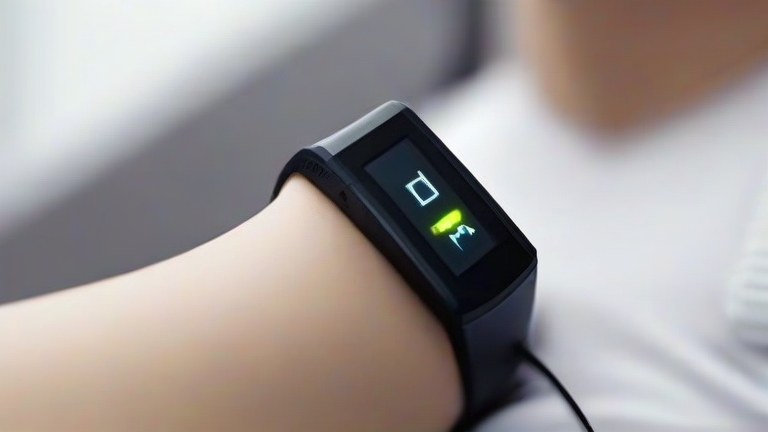
    TL;DR: Wearable health monitors have evolved from simple fitness trackers to sophisticated medical-grade devices capable of predicting serious cardiac events before they occur. By leveraging advanced sensors and machine learning algorithms, these devices now offer real-time risk assessment, fundamentally shifting preventive cardiology from reactive to proactive care.

    The Convergence of Tech and Medicine

    The intersection of consumer electronics and healthcare has never been more critical. As heart disease remains the leading cause of death globally, the demand for continuous, non-invasive monitoring solutions has surged. Traditional electrocardiograms (ECGs) are episodic, capturing only moments of heart activity. In contrast, wearable devices provide continuous streams of data, creating a comprehensive picture of cardiovascular health over weeks, months, or even years. This shift is not merely about convenience; it is about early detection. Algorithms trained on millions of heartbeats can identify anomalies such as atrial fibrillation, high blood pressure trends, and irregular heart rates with startling accuracy.

    If you want to dig deeper, check out our guide on Boost Efficiency with AI Agents: Automate Enterprise Workflo.

    Market Analysis: A Blue Ocean Strategy

    The global wearable health monitor market is projected to reach significant valuation milestones by 2030, driven by an aging population and increased health awareness. Major tech giants and established medical device manufacturers are competing fiercely for market share. However, the real opportunity lies in the data ecosystem. Companies that can integrate wearable data with electronic health records (EHRs) are gaining a strategic advantage. Investors are looking for platforms that offer actionable insights rather than just raw data. The key to success in this crowded market is trust. Patients must trust that their sensitive health data is secure and that the device’s predictions are clinically validated. Regulatory approvals from bodies like the FDA are no longer optional but a critical barrier to entry that separates gimmicks from genuine medical tools.

    Strategy Insights: Building Trust Through Transparency

    For businesses in this sector, the strategy must pivot from feature-heavy marketing to outcome-based value propositions. Companies should focus on partnerships with healthcare providers. When a cardiologist recommends a specific device, adoption rates skyrocket. Furthermore, transparency in data usage is paramount. Users are increasingly privacy-conscious; therefore, clear consent mechanisms and robust cybersecurity measures are essential components of the product strategy. Additionally, AI-driven personalization is becoming a standard expectation. Users want devices that learn their baseline health metrics and alert them to deviations specific to their physiology, rather than generic warnings.

    Case Studies in Innovation

    Consider the case of Apple’s Health Research Study, which demonstrated the feasibility of using iPhones and Apple Watches to detect atrial fibrillation. The study recruited thousands of participants and proved that consumer-grade wearables could collect high-quality clinical data. Another notable example is the partnership between Samsung Health and major hospital systems, where data from Galaxy Watch devices is used to monitor post-operative cardiac patients. These initiatives highlight a trend: the blurring lines between consumer tech and clinical care. By validating their algorithms through rigorous clinical trials, these companies have moved beyond speculation to proven efficacy, thereby securing their place in the medical ecosystem.

    FAQ

    Q: How accurate are wearable devices in predicting heart risks?
    A: Modern wearables with FDA clearance have demonstrated high accuracy in detecting specific conditions like atrial fibrillation, though they are not diagnostic tools and should be used alongside professional medical advice.

    Q: What is the biggest challenge for wearable health tech companies?
    A: The primary challenge is establishing clinical validity and data privacy trust, ensuring that continuous monitoring does not lead to false alarms or unauthorized data breaches.

    Q: Will wearables replace traditional doctors?
    A: No, wearables are designed to augment medical care by providing continuous data that helps doctors make more informed decisions, rather than replacing the clinical judgment of healthcare professionals.

    Related Articles