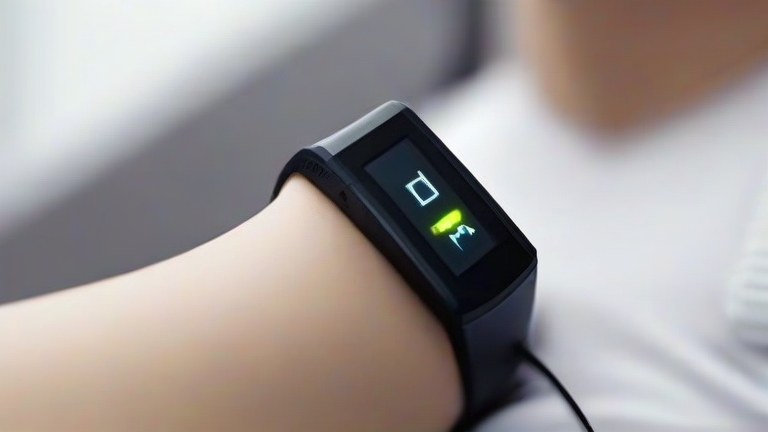
TL;DR: Wearable health monitors have evolved from simple fitness trackers to sophisticated medical-grade devices capable of predicting serious cardiac events before they occur. By leveraging advanced sensors and machine learning algorithms, these devices now offer real-time risk assessment, fundamentally shifting preventive cardiology from reactive to proactive care.
The Convergence of Tech and Medicine
The intersection of consumer electronics and healthcare has never been more critical. As heart disease remains the leading cause of death globally, the demand for continuous, non-invasive monitoring solutions has surged. Traditional electrocardiograms (ECGs) are episodic, capturing only moments of heart activity. In contrast, wearable devices provide continuous streams of data, creating a comprehensive picture of cardiovascular health over weeks, months, or even years. This shift is not merely about convenience; it is about early detection. Algorithms trained on millions of heartbeats can identify anomalies such as atrial fibrillation, high blood pressure trends, and irregular heart rates with startling accuracy.
If you want to dig deeper, check out our guide on Boost Efficiency with AI Agents: Automate Enterprise Workflo.
Market Analysis: A Blue Ocean Strategy
The global wearable health monitor market is projected to reach significant valuation milestones by 2030, driven by an aging population and increased health awareness. Major tech giants and established medical device manufacturers are competing fiercely for market share. However, the real opportunity lies in the data ecosystem. Companies that can integrate wearable data with electronic health records (EHRs) are gaining a strategic advantage. Investors are looking for platforms that offer actionable insights rather than just raw data. The key to success in this crowded market is trust. Patients must trust that their sensitive health data is secure and that the device’s predictions are clinically validated. Regulatory approvals from bodies like the FDA are no longer optional but a critical barrier to entry that separates gimmicks from genuine medical tools.

Strategy Insights: Building Trust Through Transparency
For businesses in this sector, the strategy must pivot from feature-heavy marketing to outcome-based value propositions. Companies should focus on partnerships with healthcare providers. When a cardiologist recommends a specific device, adoption rates skyrocket. Furthermore, transparency in data usage is paramount. Users are increasingly privacy-conscious; therefore, clear consent mechanisms and robust cybersecurity measures are essential components of the product strategy. Additionally, AI-driven personalization is becoming a standard expectation. Users want devices that learn their baseline health metrics and alert them to deviations specific to their physiology, rather than generic warnings.
Case Studies in Innovation
Consider the case of Apple’s Health Research Study, which demonstrated the feasibility of using iPhones and Apple Watches to detect atrial fibrillation. The study recruited thousands of participants and proved that consumer-grade wearables could collect high-quality clinical data. Another notable example is the partnership between Samsung Health and major hospital systems, where data from Galaxy Watch devices is used to monitor post-operative cardiac patients. These initiatives highlight a trend: the blurring lines between consumer tech and clinical care. By validating their algorithms through rigorous clinical trials, these companies have moved beyond speculation to proven efficacy, thereby securing their place in the medical ecosystem.
FAQ
Q: How accurate are wearable devices in predicting heart risks?
A: Modern wearables with FDA clearance have demonstrated high accuracy in detecting specific conditions like atrial fibrillation, though they are not diagnostic tools and should be used alongside professional medical advice.
Q: What is the biggest challenge for wearable health tech companies?
A: The primary challenge is establishing clinical validity and data privacy trust, ensuring that continuous monitoring does not lead to false alarms or unauthorized data breaches.
Q: Will wearables replace traditional doctors?
A: No, wearables are designed to augment medical care by providing continuous data that helps doctors make more informed decisions, rather than replacing the clinical judgment of healthcare professionals.
Leave a Reply