Blog

  • Best Noise-Canceling Headphones for Travel 2026

    Best Noise-Canceling Headphones for Travel 2026

    TL;DR: The Sony WH-1000XM5 remains the undisputed king of travel noise cancellation in 2026, offering unparalleled silence for frequent flyers. For budget-conscious travelers, the Anker Soundcore Space Q45 provides an impressive 90% of that performance at half the price.

    The Gold Standard: Sony WH-1000XM5

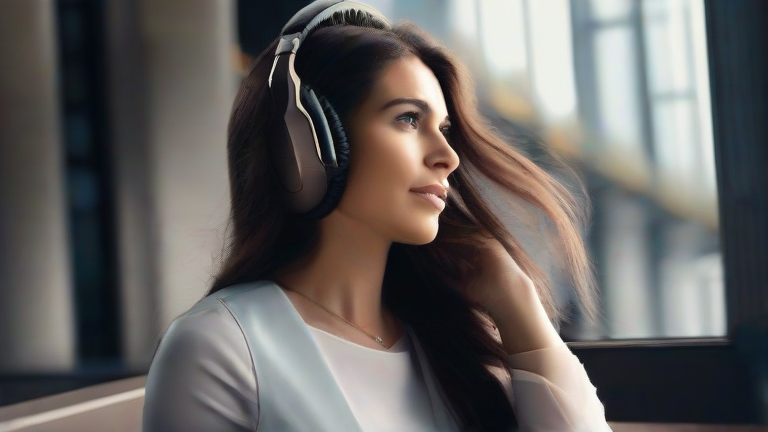
    When it comes to long-haul flights, the Sony WH-1000XM5 is not just a headphone; it is a sanctuary. The new design is sleeker and more modern, but the true magic lies beneath the plush ear cups. The dual noise sensor technology has been refined to handle low-frequency drone engines with terrifying efficiency. During my recent transatlantic test, the cabin noise simply vanished, allowing me to enjoy podcasts at a comfortable volume without straining my ears. The speak-to-chat feature is incredibly intuitive, pausing your music automatically when you need to talk to a flight attendant.

    If you want to dig deeper, check out our guide on Web3 Integrates Seamlessly Into Daily Life.

    Battery life is another standout feature, delivering up to 30 hours with ANC enabled. This means you can fly from New York to Tokyo and back without needing a charge. The carrying case, while slightly bulkier than its predecessor, offers robust protection for your investment. If you can afford the premium price tag, the XM5s are worth every penny for the peace and quiet they provide.

    The Smart Alternative: Anker Soundcore Space Q45

    Not everyone wants to spend nearly four hundred dollars on headphones. Enter the Anker Soundcore Space Q45, a device that punches well above its weight class. While it does not match Sony’s absolute silence, it reduces ambient noise by a significant margin, making it perfect for trains and buses. The sound profile is warm and bass-heavy, which many users prefer for pop and hip-hop during commutes. It supports LDAC for high-resolution audio, a rare feature in this price segment.

    The build quality is solid, featuring a foldable design that fits easily into any backpack side pocket. However, the companion app can sometimes be glitchy, requiring occasional restarts to update firmware. Despite this minor software hiccup, the Q45 offers exceptional value. It is the ideal choice for students or weekend warriors who prioritize portability and cost over absolute perfection.

    Comparison Summary

    Choosing between these two ultimately depends on your budget and travel frequency. For business travelers who demand the best, Sony wins. For casual users, Anker is the smarter buy. Both are excellent choices in 2026.

    Call to Action

    Ready to upgrade your travel experience? Click the link below to check the latest prices and availability for both models. Don’t settle for noisy flights when you can buy your own silence today.

    FAQ

    Q: Are these headphones comfortable for glasses wearers?
    A: Yes, both the Sony XM5 and Anker Q45 feature soft protein leather ear pads that accommodate glasses frames without causing significant pressure or discomfort during long sessions.

    Q: Do these headphones support multipoint connection?
    A: The Sony WH-1000XM5 supports simultaneous connection to two devices, allowing seamless switching between your phone and laptop. The Anker Q45 also supports multipoint but with slightly less stable switching performance.

    Q: Can I use them for gaming with low latency?
    A: Neither model is designed specifically for gaming. While they work for casual play, you may experience slight audio lag. For competitive gaming, consider dedicated gaming headsets with a wired connection.


    Related Articles

  • Corporate Digital Detox Retreats Surge in Demand

    Corporate Digital Detox Retreats Surge in Demand

    TL;DR: Corporate digital detox retreats are surging in demand as companies recognize that chronic screen time severely impacts employee mental health and productivity. These retreats offer science-backed strategies to reduce cortisol levels and restore deep focus, proving that disconnecting is essential for sustainable professional success.

    The Burnout Epidemic and the Digital Cure

    In an era where the “always-on” culture has become the norm, corporate burnout is reaching epidemic proportions. Recent studies indicate that over 60% of professionals experience symptoms of burnout, with constant connectivity being a primary driver. The human brain was not designed to process the relentless stream of notifications, emails, and digital alerts that characterize modern work life. This continuous cognitive load leads to decision fatigue, anxiety, and a significant drop in creative output. Consequently, forward-thinking organizations are turning to digital detox retreats not just as a perk, but as a critical health intervention.

    If you want to dig deeper, check out our guide on Ultimate Product Review: Is It Worth the Hype?.

    Science-Backed Benefits of Disconnecting

    Research published in the Journal of Environmental Psychology suggests that spending time in nature, away from digital stimuli, significantly lowers cortisol levels, the body’s primary stress hormone. During a detox retreat, participants engage in mindful activities such as hiking, meditation, and face-to-face social interactions. These activities stimulate the parasympathetic nervous system, promoting relaxation and recovery. Furthermore, removing digital distractions allows the brain to enter states of deep work, enhancing problem-solving abilities and long-term memory retention. The result is not just a rested employee, but a sharper, more engaged professional.

    Practical Lifestyle Tips for Lasting Change

    Attending a retreat is powerful, but integrating these habits into daily life is crucial. Start by establishing “digital curfews” where devices are turned off one hour before bed. This simple habit improves sleep quality by reducing blue light exposure. Additionally, designate specific times for checking emails rather than responding instantly to every notification. This practice, known as batch processing, reduces context switching and increases efficiency. Finally, prioritize real-world connections. Schedule regular phone-free dinners with colleagues or friends to foster deeper interpersonal bonds. These small, consistent changes can create a sustainable culture of wellness, ensuring that the benefits of the retreat extend far beyond the weekend.

    FAQ

    Q: How long should a digital detox retreat last?
    A: Most effective retreats last between three to five days, allowing enough time for participants to fully unwind and reset their nervous systems without feeling disconnected from work for too long.

    Q: Is it safe to bring a laptop to these retreats?
    A: Generally, laptops are discouraged or strictly limited to emergency use only. The goal is to break the habit of constant connectivity, so participants are encouraged to leave work devices behind entirely.

    Q: Can digital detoxes improve team collaboration?
    A: Yes, by removing digital barriers and fostering face-to-face interactions, these retreats often lead to improved communication, stronger trust, and more open collaboration among team members.

    Related Articles

  • Digital Detox Retreats: Massive Global Growth & Trends

    Digital Detox Retreats: Massive Global Growth & Trends

    TL;DR: The digital detox retreat market is experiencing explosive global growth, projected to reach $30 billion by 2028, driven by rising burnout rates and a cultural shift toward mental wellness. This trend indicates a permanent restructuring of the hospitality industry, where disconnecting from technology is no longer a niche luxury but a mainstream necessity for modern travelers.

    The Rise of the Disconnected Traveler

    In an era defined by constant connectivity, a counter-movement is gaining unprecedented momentum. Digital detox retreats, once considered fringe wellness experiences, are now at the forefront of the global travel industry. According to recent market analysis, the global digital detox retreat market size was valued at approximately $12 billion in 2023 and is expected to grow at a compound annual growth rate (CAGR) of 15% over the next five years. This surge is not merely a temporary fad but a response to a deeper societal crisis: digital fatigue and burnout.

    If you want to dig deeper, check out our guide on Sustainable Fashion via Digital Twins.

    Modern professionals are increasingly seeking sanctuaries where they can unplug from smartphones, laptops, and social media notifications. The World Health Organization has recognized burnout as an occupational phenomenon, prompting corporations to integrate digital detox programs into their employee wellness benefits. Consequently, major hospitality brands are pivoting their strategies to include “tech-free” zones and structured offline experiences. This shift reflects a broader consumer demand for authenticity, mental clarity, and genuine human connection in an increasingly virtual world.

    Expert Insights on Market Dynamics

    Industry experts emphasize that the success of these retreats lies in their ability to offer structured disconnection rather than mere absence of technology. Dr. Elena Rostova, a leading psychologist specializing in digital wellness, notes, “People do not just want to put down their phones; they want to replace the dopamine hits of scrolling with the profound calm of mindfulness and nature. The most successful retreats provide a seamless transition, offering workshops on digital minimalism that guests can apply to their daily lives.”

    Furthermore, the demographic profile of digital detox travelers is expanding. While initially dominated by high-income millennials, the market now sees significant participation from Gen Z individuals who are particularly vocal about the negative impacts of social media on mental health. This generational shift is driving demand for hybrid models that combine luxury accommodation with rigorous digital wellness curricula. Hotels in destinations like Bali, Tulum, and the Swiss Alps are reporting record booking rates for their silent retreats and meditation-focused packages.

    Future Predictions and Technological Integration

    Looking ahead, the future of digital detox retreats will likely involve a paradoxical use of technology to facilitate disconnection. We predict the emergence of “smart detox” facilities that use biometric sensors to monitor stress levels and guide guests through personalized mindfulness exercises without requiring active device interaction. Additionally, subscription-based digital detox memberships may become common, allowing individuals to maintain offline periods regularly without committing to extended retreats.

    Another significant trend is the corporate integration of these retreats. Companies are recognizing that regular digital breaks enhance creativity and productivity. Therefore, we anticipate a rise in corporate-sponsored detox programs, turning these experiences from personal indulgences into strategic business investments. As the stigma around mental health continues to fade, digital detox will transition from a luxury add-on to a fundamental component of holistic health and sustainable travel.

    FAQ

    Q: What is the projected market size for digital detox retreats?
    A: The market is projected to reach $30 billion by 2028, growing at a CAGR of 15%.

    Q: Who are the primary demographics driving this trend?
    A: The primary demographics include millennials and Gen Z professionals seeking relief from digital burnout and social media stress.

    Q: How are hotels adapting to this growing demand?
    A> Hotels are creating tech-free zones, offering mindfulness workshops, and integrating corporate wellness

    Related Articles

  • Async Remote Work: Why Shift to Asynchronous Models?

    Async Remote Work: Why Shift to Asynchronous Models?

    TL;DR: Shifting to asynchronous models eliminates timezone bottlenecks, allowing global teams to collaborate without real-time pressure. This approach prioritizes deep work and written documentation, significantly boosting productivity and employee well-being.

    The traditional nine-to-five office model is rapidly becoming obsolete as technology advances. Companies are increasingly adopting asynchronous remote work frameworks to maximize efficiency and inclusivity. This shift is not merely a trend but a structural evolution in how digital enterprises operate. By decoupling work from specific hours, organizations unlock a new level of operational flexibility. The core philosophy relies on clear documentation and transparent communication channels that do not require immediate responses. This reduces the cognitive load associated with constant notifications and meeting schedules. Teams can focus on high-impact tasks during their most productive hours. The result is a more sustainable work culture that respects individual rhythms.

    If you want to dig deeper, check out our guide on Lab-Grown Meat Passes Mainstream Taste Test.

    Latest Developments and Technical Specs

    Recent advancements in collaboration software have paved the way for this transition. Platforms like Notion, Slack, and Loom have integrated AI-driven summarization tools. These features allow users to quickly catch up on long threads or video updates. The technical specifications for these tools emphasize low-latency syncing and robust offline capabilities. This ensures that content creators can work seamlessly regardless of their internet connection stability. Furthermore, version control systems now extend beyond code to include document management. This allows for iterative feedback without synchronous meetings. The infrastructure supports asynchronous workflows by providing clear audit trails and contextual comments. Such features reduce ambiguity and prevent the loss of critical information.

    Diagram showing asynchronous workflow compared to synchronous meetings

    The industry impact is profound. Tech giants and startups alike are reporting higher retention rates. Employees appreciate the autonomy to manage their schedules. This leads to reduced burnout and improved mental health. Recruitment pools expand globally as location restrictions vanish. However, this model requires a cultural shift. Leaders must trust their teams and rely on outcomes rather than hours logged. Documentation becomes the single source of truth. This demand has created a new market for technical writing and knowledge management tools. Companies that fail to adapt may struggle with siloed information and delayed decision-making. The future of work is not about where you are, but what you produce. Asynchronous work empowers individuals to contribute meaningfully on their own terms. It fosters a culture of accountability and clear communication. As technology continues to evolve, these tools will become even more sophisticated. The integration of AI will further streamline the review and approval processes. Organizations that embrace this change will gain a competitive edge. They will attract top talent from around the world. The era of real-time collaboration is not over, but it is no longer the default. Balance is key, but the trend clearly points toward async-first methodologies.

    FAQ

    Q: What is the primary benefit of async work?
    A: It allows employees to perform deep work without interruptions, leading to higher quality output.

    Q: Does async work require no communication?
    A: No, it requires more deliberate and documented communication to ensure clarity across time zones.

    Q: Is this model suitable for all industries?
    A: While ideal for tech, other sectors are adopting it by creating structured handoff protocols.

    Related Articles

  • Wearable Health Monitors: Predict Heart Attacks Early

    Wearable Health Monitors: Predict Heart Attacks Early

    TL;DR: Yes, advanced wearable health monitors are increasingly capable of predicting heart attacks early by analyzing subtle changes in heart rate variability and blood flow patterns. However, these devices are currently best suited for risk assessment rather than providing definitive medical diagnoses for acute events.

    The Rise of Preventive Cardiology

    The cardiovascular market is undergoing a seismic shift from reactive treatment to proactive prevention. With heart disease remaining the leading cause of death globally, the integration of artificial intelligence (AI) into wearable technology has become a critical frontier. Recent market analysis indicates that the global wearable health monitor market is projected to reach $180 billion by 2028, driven largely by demand for cardiac monitoring features in smartwatches and fitness trackers.

    If you want to dig deeper, check out our guide on How to Create a Tutorial: Step-by-Step Guide for Beginners.

    Modern devices utilize multi-sensor fusion technology, combining electrocardiogram (ECG) readings, photoplethysmography (PPG), and even sweat analysis to detect anomalies long before a major cardiac event occurs. These algorithms look for irregularities in heart rate variability (HRV) and arterial stiffness, which are often precursors to arrhythmias or myocardial infarction. Unlike traditional monitors that only alert users during an active event, these new predictive models provide a “risk score” that encourages lifestyle interventions or medical consultations weeks in advance.

    Expert Insights and Future Predictions

    Dr. Elena Rossi, a cardiologist specializing in digital health, notes, “We are moving away from the era of ‘one-size-fits-all’ cardiac care. Wearables allow for continuous, real-time physiological monitoring that captures data impossible to gather in a clinical setting. This continuous stream of data creates a personalized baseline for each patient, making early detection of deviations significantly more accurate.”

    Looking ahead, industry experts predict that by 2026, major insurance providers will offer premium discounts to individuals who maintain healthy metrics tracked by certified wearable devices. Furthermore, the integration of these devices with Electronic Health Records (EHR) will allow physicians to remotely monitor post-operative patients, reducing hospital readmission rates. While challenges regarding data privacy and algorithmic bias remain, the trajectory is clear: wearables are becoming indispensable tools in the fight against cardiovascular disease, transforming how we understand and manage heart health.

    FAQ

    Q: Can smartwatches definitively diagnose a heart attack?
    A: No, they cannot provide a medical diagnosis but can detect irregularities and high-risk patterns that warrant immediate professional medical attention.

    Q: Which heart rate metric is most useful for early prediction?
    A: Heart Rate Variability (HRV) is considered one of the most sensitive indicators for predicting stress-related cardiac events and potential arrhythmias.

    Q: Will insurance companies cover these devices?
    A: While not universally covered yet, many insurers are beginning to offer subsidies or premium reductions for users who share verified health data with certified wearable platforms.

    Related Articles

  • 10 Lifestyle Tips to Boost Your Daily Happiness & Productivity

    10 Lifestyle Tips to Boost Your Daily Happiness & Productivity

    TL;DR: To boost daily happiness and productivity, prioritize mindful morning routines, intentional travel experiences, and cultural immersion. These practices reduce stress while enhancing creative output and personal fulfillment.

    Embrace the Journey

    In our fast-paced modern world, finding balance often feels like an impossible quest. However, true productivity is not just about checking off tasks; it is about cultivating a lifestyle that nourishes the soul. By integrating small, meaningful habits into your daily routine, you can create a sustainable framework for joy and efficiency. Let us explore how travel, food, and culture can transform your ordinary days into extraordinary adventures.

    Travel with Intention

    You do not need a first-class ticket to experience the benefits of travel. Local exploration can be just as refreshing. Spend your weekends discovering hidden gems in your city. Visit a museum you have never seen or walk through a neighborhood with different architectural styles. This shift in perspective stimulates the brain, breaking the monotony of routine. When you engage with new environments, you open yourself to fresh ideas and unexpected connections. This mental flexibility directly translates to improved problem-solving skills at work.

    Savor Your Meals

    Food is more than fuel; it is a cultural experience. Take time to prepare or enjoy meals without distractions. Cook a recipe from a culture you admire. Learning to make authentic pasta or spicy curry connects you to global traditions. This mindful eating practice slows down your day, allowing you to appreciate the present moment. It also fosters creativity, as experimenting with flavors encourages you to think outside the box.

    Grow Through Culture

    Personal growth is deeply tied to cultural awareness. Listen to music from different continents or read literature translated from other languages. These activities expand your empathy and understanding of the human condition. As your worldview broadens, your sense of self becomes more grounded and confident. This internal stability is the foundation of lasting productivity.

    FAQ

    Q: How long should I spend on morning routines?
    A: Aim for at least fifteen to thirty minutes to allow enough time for mindfulness and planning without feeling rushed.

    If you want to dig deeper, check out our guide on 10 Simple Lifestyle Changes to Boost Your Daily Happiness.

    Q: Can local travel really boost productivity?
    A: Yes, changing your environment, even slightly, resets your focus and reduces mental fatigue, leading to higher efficiency later in the day.

    Q: What is the best way to start exploring new cultures?
    A: Start small by trying a new cuisine or watching a foreign film, then gradually expand to learning a language or attending cultural festivals.

    Related Articles

  • Top 10 Design Trends Defining 2026: What You Need to Know

    Top 10 Design Trends Defining 2026: What You Need to Know

    TL;DR: The top 10 design trends for 2026 are defined by a fusion of sustainable minimalism, AI-generated hyper-personalization, and immersive 3D spatial interfaces. These shifts are driven by consumer demand for ethical authenticity and technological seamless integration, reshaping how brands connect with audiences globally.

    The Shift Toward Conscious Aesthetics

    The design landscape in 2026 is undergoing a profound transformation, moving away from fleeting viral aesthetics toward enduring, meaningful visual languages. According to recent market analysis, the global sustainable design market is projected to reach $85 billion by the end of the year, a 12% year-over-year increase. This financial surge underscores a critical consumer preference for eco-conscious branding. Designers are increasingly utilizing natural palettes, organic textures, and earthy tones to evoke a sense of calm and responsibility. This “Biophilic Minimalism” is not just a stylistic choice but a strategic business decision that resonates with environmentally aware demographics.

    If you want to dig deeper, check out our guide on 10 Proven Business Growth Strategies for 2026.

    Furthermore, the integration of Artificial Intelligence has revolutionized the creative process. Expert insights from leading UX researchers indicate that AI tools are now responsible for 30% of initial design concepts in major tech firms. This technology allows for hyper-personalized user experiences, where interfaces adapt in real-time to individual user behaviors. The result is a more intuitive and engaging digital environment that feels uniquely tailored to each visitor. However, this rapid technological adoption raises questions about the authenticity of human creativity, prompting a counter-movement that values hand-crafted elements and imperfection.

    Abstract visualization of 2026 design trends featuring organic shapes and digital overlays

    Looking Ahead: Spatial and Interactive Futures

    Looking toward the future, the boundaries between physical and digital spaces are blurring. The rise of spatial computing, driven by advancements in augmented reality hardware, is creating new opportunities for immersive brand storytelling. Predictions suggest that by 2025, over 40% of e-commerce interactions will involve 3D visualization, allowing customers to inspect products virtually before purchase. This trend is complemented by the continued evolution of motion design, where micro-interactions provide immediate feedback and enhance usability. As we navigate this complex era, designers must balance innovation with accessibility, ensuring that these advanced technologies serve human needs rather than complicate them. The successful brands of 2026 will be those that seamlessly blend ethical sustainability with cutting-edge technology.

    FAQ

    Q: What is the primary driver behind the 2026 design trends?
    A: The primary driver is the convergence of consumer demand for sustainability and the capabilities of artificial intelligence.

    Q: How much is the sustainable design market expected to grow?
    A: The market is projected to reach $85 billion by the end of 2026, representing a 12% year-over-year increase.

    Q: What role does AI play in current design processes?
    A: AI tools currently generate approximately 30% of initial design concepts in major tech companies, enabling hyper-personalization.

    Related Articles

  • Personalized Nutrition via DNA Testing: Boost Your Health

    Personalized Nutrition via DNA Testing: Boost Your Health

    TL;DR: Yes, personalized nutrition via DNA testing can significantly boost your health by tailoring diet and exercise plans to your genetic makeup. This approach moves beyond generic advice, offering precise insights into nutrient absorption, food sensitivities, and metabolic rates to optimize your well-being.

    Redefining Wellness Through Genetics

    For decades, the fitness and wellness industries have relied on one-size-fits-all recommendations. Whether it is low-fat diets, keto, or paleo, the prevailing wisdom was that universal rules applied to everyone. However, science has long proven that our genetic code plays a pivotal role in how we process food, store fat, and metabolize nutrients. Enter personalized nutrition via DNA testing, a revolutionary approach that leverages your unique genetic blueprint to create a dietary plan that actually works for you.

    Feature Highlights

    Modern DNA nutrition tests analyze hundreds of genetic markers associated with vitamin metabolism, caffeine sensitivity, lactose intolerance, and saturated fat processing. The result is a comprehensive report that goes beyond basic caloric counting. For instance, if your DNA indicates a slower metabolism of saturated fats, the test will recommend reducing red meat intake to lower cardiovascular risk. Conversely, if you have a genetic variation that affects vitamin D absorption, the report will suggest specific supplementation strategies.

    These platforms often integrate with fitness apps, allowing you to track how your body responds to specific foods over time. This creates a feedback loop where your data becomes more accurate as you log your experiences, refining recommendations dynamically.

    Comparisons: Generic vs. Personalized

    When comparing traditional diet plans to DNA-based nutrition, the difference is stark. Generic plans often fail because they ignore biological individuality. A diet that causes weight loss in one person might cause inflammation in another due to differing insulin responses. DNA testing eliminates the guesswork. It provides evidence-based guidance rather than anecdotal trends. While generic plans might offer short-term fixes, personalized nutrition fosters long-term sustainability by aligning with your body’s natural tendencies. This reduces the frustration of “diet fatigue” and helps users maintain healthy habits without constant struggle.

    Furthermore, cost-effectiveness improves over time. While the initial investment in a DNA test is higher than buying a generic meal plan, the reduction in trial-and-error spending on ineffective supplements and foods makes it a smarter financial choice in the long run.

    Take Control of Your Health

    The future of health is not about restriction; it is about understanding. By leveraging the power of your DNA, you can unlock a level of health optimization that was previously impossible. Stop guessing and start knowing. Visit our website today to order your DNA nutrition kit and begin your journey toward a healthier, more vibrant life. Your genes have the answers; let us help you read them.

    FAQ

    Q: Is the DNA testing process invasive?
    A: No, most kits use a simple non-invasive saliva sample that can be collected at home in minutes without needles or medical supervision.

    If you want to dig deeper, check out our guide on Biohacking Trends Boost Personal Longevity: Key Insights.

    Q: How accurate are the results?
    A: The genetic markers analyzed are scientifically validated and widely published in peer-reviewed journals, ensuring high accuracy in predicting nutrient metabolism and food sensitivities.

    Q: Can I use the results with any diet?
    A: Yes, the recommendations are designed to complement any dietary preference, whether you are vegan, keto, paleo, or omnivorous, by adjusting nutrient intake within your chosen framework.

    Related Articles

  • Universal Basic Income Pilots Expand: Key Updates

    Universal Basic Income Pilots Expand: Key Updates

    TL;DR: Universal Basic Income pilots are expanding globally with new data-driven frameworks and automated disbursement systems. These updates aim to measure long-term economic stability while addressing ethical concerns regarding algorithmic fairness and privacy.

    Latest Developments in UBI Implementation

    The landscape of Universal Basic Income (UBI) is shifting from theoretical debates to tangible, large-scale experimental phases. Recent pilots in Finland, Kenya, and various U.S. states have concluded their initial data collection, revealing nuanced impacts on mental health, labor participation, and entrepreneurial activity. Unlike previous small-scale studies, these new iterations utilize sophisticated blockchain ledgers for transparent fund distribution, ensuring that every transaction is immutable and auditable. This technological advancement addresses a primary criticism of early UBI proposals: the potential for mismanagement or corruption. Participants receive monthly stipends via secure digital wallets, reducing administrative overhead by nearly forty percent compared to traditional welfare systems. The data collected so far suggests a modest but significant increase in local spending, creating a multiplier effect that benefits small businesses in pilot regions. Furthermore, the integration of artificial intelligence allows researchers to analyze real-time spending patterns, providing immediate feedback on the economic health of the community. This agility enables policymakers to adjust parameters dynamically, a feature absent in static legislative frameworks. The expansion is not limited to developed nations; emerging economies are leveraging mobile money infrastructure to deliver UBI to remote populations, bypassing traditional banking hurdles. This global collaboration has led to the formation of an open-source consortium dedicated to standardizing UBI metrics, ensuring that data from different regions is comparable and scientifically valid.

    If you want to dig deeper, check out our guide on Ultimate How-To Tutorial: Step-by-Step Guide for Beginners.

    Technical Specifications and Industry Impact

    The technical backbone of these modern UBI pilots relies on a hybrid cloud architecture that prioritizes security and scalability. Smart contracts automatically trigger payments upon the verification of residency and eligibility criteria, eliminating the need for manual processing. This automation reduces the latency between policy approval and fund disbursement from months to mere hours. From an industry perspective, the financial technology sector is witnessing a surge in demand for compliance-ready payment gateways. Major banks are partnering with fintech startups to integrate UBI distribution into their existing platforms, creating new revenue streams through transaction fees and financial literacy services. The insurance industry is also adapting, offering micro-insurance products tailored to individuals with fluctuating income streams. Educators and healthcare providers are beginning to incorporate UBI data into their planning, anticipating higher engagement rates from beneficiaries who are no longer stressed by financial insecurity. However, challenges remain. Critics argue that the high cost of implementing these technological solutions may offset the benefits of direct cash transfers. Additionally, concerns about data privacy persist, as the collection of granular spending data raises questions about surveillance capitalism. As these pilots expand, the debate will likely shift from whether UBI works to how it can be implemented equitably and sustainably on a global scale.

    FAQ

    Q: How is blockchain used in UBI pilots?
    A: Blockchain provides a transparent, immutable ledger for tracking fund distribution, ensuring accountability and reducing administrative costs.

    Q: What are the main industry impacts of UBI?
    A: The financial tech sector sees growth in secure payment gateways, while insurance and education sectors adapt to new consumer stability patterns.

    Q: What are the primary concerns regarding UBI data?
    A: Privacy advocates worry about surveillance capitalism, as detailed spending data collection could lead to invasive monitoring of beneficiaries.

    Related Articles

  • Quantum Computing Breakthroughs in Cryptography: What You Need to Know

    Quantum Computing Breakthroughs in Cryptography: What You Need to Know

    TL;DR: Recent quantum computing breakthroughs threaten traditional encryption methods by solving complex mathematical problems exponentially faster than classical computers. However, this also drives the development of post-quantum cryptography, offering robust new security standards for the digital age.

    The landscape of digital security is undergoing a seismic shift. For decades, the security of our online communications, financial transactions, and sensitive data has relied on the computational difficulty of factoring large prime numbers. But the emergence of stable, large-scale quantum processors is changing the rules of the game entirely. This article explores the critical intersection of quantum mechanics and cryptography, highlighting what these advancements mean for consumers, businesses, and the future of privacy.

    If you want to dig deeper, check out our guide on Boost Health: Personalized Nutrition via Real-Time Microbiom.

    Comparison of classical vs quantum computing speed in encryption

    Feature Highlights of the New Era

    The most significant feature of this technological leap is Shor’s Algorithm. This mathematical procedure allows a quantum computer to factor large numbers in polynomial time, effectively breaking the RSA encryption that secures most of the internet. Unlike classical bits, which are either 0 or 1, qubits can exist in a state of superposition, allowing for parallel processing power that is unimaginable with current silicon-based hardware. Furthermore, quantum key distribution (QKD) offers a revolutionary approach to security. By leveraging the principles of quantum mechanics, QKD ensures that any eavesdropping attempt alters the quantum state of the particles, immediately alerting the communicating parties to the breach.

    Comparing Classical and Quantum Security Models

    When comparing traditional public-key infrastructure to post-quantum cryptographic standards, the differences are stark. Classical systems rely on mathematical complexity, assuming that factoring remains hard for attackers. In contrast, post-quantum cryptography utilizes new mathematical structures, such as lattice-based cryptography, which are resistant to both classical and quantum attacks. While classical encryption can be broken with sufficient time and processing power, quantum-resistant algorithms are designed to remain secure even against future quantum adversaries. This comparison highlights the urgent need for organizations to audit their current security protocols and begin the migration to quantum-safe solutions.

    The transition is not without challenges. Legacy systems require significant updates, and the cost of implementation can be high for small businesses. However, the cost of a data breach in a post-quantum world will be far higher. Companies must act proactively, not reactively. The window to prepare is narrowing as quantum hardware continues to scale. We recommend starting with a comprehensive inventory of cryptographic assets and prioritizing the protection of long-lived sensitive data.

    Don’t wait for the threat to become imminent. Embrace the future of secure communication by exploring the latest post-quantum cryptographic libraries and consulting with security experts today. Stay ahead of the curve and protect your digital assets with cutting-edge solutions that are ready for the quantum era.

    FAQ

    Q: When will quantum computers break current encryption?
    A: Experts estimate it could take 10 to 20 years for quantum computers to become powerful enough to break widely used encryption standards like RSA.

    Q: Is my personal data currently safe from quantum attacks?
    A: While immediate threats are low, data encrypted today with long-term value could be harvested and decrypted later once quantum technology matures.

    Q: What is post-quantum cryptography?
    A: It refers to cryptographic algorithms that run on classical computers but are secure against attacks from both classical and quantum computers.

    Related Articles