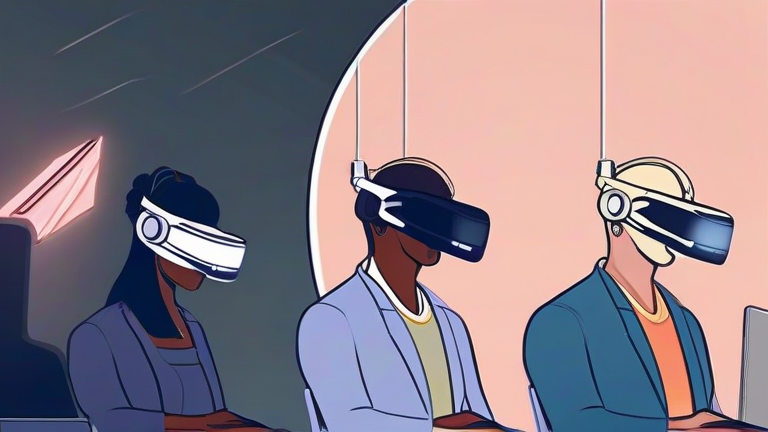
TL;DR: VR therapy in mental wellness apps represents the future of care by offering immersive, controlled environments for exposure therapy and mindfulness. This technology bridges the gap between clinical treatment and accessible personal growth, making mental health support more engaging and effective for modern users.
Immersive Healing: A New Travel for the Mind
Imagine stepping away from the chaos of daily life not by booking a flight to Bali, but by donning a lightweight headset and instantly transporting yourself to a serene, sun-drenched beach. This is the emerging reality of virtual reality therapy, a transformative intersection of technology, travel, and mental wellness. Traditionally, mental health care has been confined to sterile office settings, but VR apps are dissolving these walls, offering a digital escape that is both therapeutic and deeply personal. For the modern seeker of personal growth, this is not just a tool; it is a gateway to inner peace that fits in your pocket.
If you want to dig deeper, check out our guide on Lab-Grown Materials Drive the Rise of Sustainable Fashion.

The concept of “travel” here is metaphorical yet profoundly real. VR therapy allows users to visit calming landscapes, from misty forests to tranquil mountain peaks, without leaving their living room. This accessibility removes the financial and logistical barriers often associated with retreats or extensive travel. Food culture also plays a surprising role; some apps integrate guided meditation sessions paired with the virtual preparation of soothing meals, engaging multiple senses to enhance relaxation. The visual and auditory stimuli work in harmony to lower cortisol levels, creating a holistic experience that rivals the best spa treatments.
Culturally, we are witnessing a shift in how society perceives mental health. It is no longer a stigma but a recognized aspect of overall well-being, akin to physical fitness. VR apps democratize access to cognitive behavioral therapy techniques, allowing individuals to practice exposure therapy for phobias or anxiety in a safe, controlled digital space. This personalized approach empowers users to take charge of their mental journey, fostering resilience and self-awareness. As these technologies mature, they promise to become as commonplace as fitness trackers, integral to our daily routines for maintaining emotional balance.
The future of care lies in this seamless integration of high-tech immersion and human emotion. By combining the allure of virtual travel with proven therapeutic methods, mental wellness apps are redefining self-care. They offer a sanctuary where users can explore their minds as freely as they explore new cultures, ensuring that mental health support is always within reach, regardless of location or circumstance.
FAQ
Q: Is VR therapy safe for beginners?
A: Yes, most apps include gradual exposure settings and are designed with safety protocols to prevent overstimulation or motion sickness.
Q: Can VR replace traditional therapy sessions?
A: It serves as a powerful complementary tool rather than a full replacement, though it can reduce the frequency of needed clinical visits.
Q: How does VR enhance mindfulness practices?
A: By providing immersive visual and audio environments, VR helps users focus better and disengage from distracting real-world stimuli.
Leave a Reply