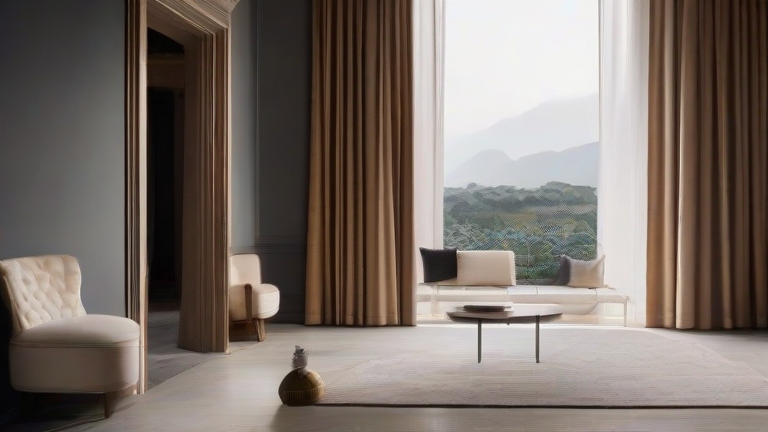
TL;DR: The rise of quiet luxury is redefining high-end fashion by shifting consumer focus from conspicuous logos to understated quality, craftsmanship, and heritage. This trend reflects a broader cultural move toward sustainability and authenticity, signaling that true status is no longer defined by visible branding but by intrinsic value and exclusive access.
The global fashion industry is undergoing a profound transformation, moving away from the flashy, logo-heavy aesthetics that dominated the early 2010s. This shift, widely known as “quiet luxury,” prioritizes minimalism, premium materials, and timeless design over immediate brand recognition. It represents a return to the core principles of haute couture: precision tailoring, exceptional fabrics, and enduring style. Consumers are increasingly valuing the “invisible” markers of wealth, such as the weight of a fabric or the precision of a stitch, rather than the loud declarations of a logo. This change is not merely aesthetic but deeply economic, driven by a segment of high-net-worth individuals who seek distinction through subtlety and exclusivity.
If you want to dig deeper, check out our guide on Digital Twins: Optimizing City Traffic and Energy in Real Ti.
Market Dynamics and Consumer Behavior
Recent market data underscores the magnitude of this shift. According to a recent report by McKinsey & Company, the luxury goods market is projected to reach $1.8 trillion by 2025, with a significant portion of growth attributed to the “understated” segment. Brands like The Row, Loro Piana, and Brunello Cucinelli have seen exponential growth, often outpacing more traditional, logo-centric competitors. Industry analysts note that Gen Z and Millennials, who are increasingly skeptical of conspicuous consumption, are driving this trend. They favor pieces that offer longevity and versatility, aligning with broader sustainability goals. A survey by Bain & Company revealed that 74% of luxury consumers prefer brands that demonstrate ethical sourcing and craftsmanship over those that emphasize mass-market visibility.
Expert insights further illuminate the psychological underpinnings of this trend. Dr. Elena Rossi, a fashion sociologist at the London School of Economics, states, “Quiet luxury is a defense mechanism against the noise of digital culture. It allows consumers to signal status to those ‘in the know’ while maintaining a low profile in public. This creates a tighter, more exclusive community of consumers who value shared understanding over broadcasted wealth.” This insularity is key to the trend’s endurance, as it fosters a sense of belonging that cannot be easily replicated by fast-fashion competitors.
Future Predictions and Industry Implications
Looking ahead, the quiet luxury trend is expected to reshape the entire supply chain. Brands will likely invest more heavily in artisanal production and traceable materials to meet consumer demands for authenticity. We predict a consolidation in the market, where mid-tier luxury brands will struggle to find their footing, either by pivoting toward hyper-luxury or by competing on price. Technology will also play a role, with blockchain used to authenticate the provenance of high-end items, adding a layer of digital security to physical exclusivity. However, challenges remain. The high cost of entry for quiet luxury brands limits their accessibility, potentially creating a bubble of ultra-wealth. To sustain growth, brands must balance exclusivity with narrative, ensuring that their story resonates with a wider audience without diluting their core identity. The future of high-end fashion lies in this delicate balance: maintaining the aura of mystery and superiority while engaging with a global audience that increasingly values substance over style.
FAQ
Q: What is the primary difference between quiet luxury and minimalism?
A: While both favor simplicity, quiet luxury emphasizes high-cost materials, superior craftsmanship, and heritage brands, whereas minimalism is a broader aesthetic movement that can apply to any price point and does not inherently imply luxury status.
Q: How is this trend affecting fast-fashion brands?
A: Fast-fashion brands are struggling to compete because they cannot replicate the quality and exclusivity of quiet luxury. Many are attempting to mimic the aesthetic with cheaper materials, but consumers are increasingly savvy enough to distinguish between authentic luxury and cheap imitations.
Q: Will quiet luxury remain a dominant trend in the next decade?
A:
Leave a Reply