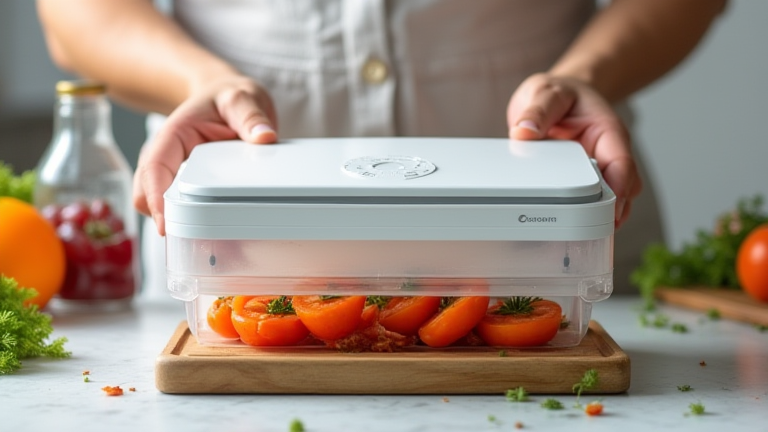
Vacuum Sealing: The Ultimate Hack for Longer Food Life
TL;DR: Vacuum sealing extends food shelf life by up to five times by eliminating oxygen, which is the primary catalyst for bacterial growth and oxidation. This method significantly reduces household waste and grocery costs by preserving nutritional value and flavor integrity far beyond standard storage methods.
The Market Analysis of Preservation Tech
The global food preservation market is experiencing robust growth, driven by increasing consumer awareness regarding food waste and sustainability. Recent industry reports indicate that the vacuum sealing equipment sector is projected to grow at a compound annual growth rate of 6.5% over the next five years. This expansion is fueled by the rise of the “prepper” demographic, busy professionals seeking meal prep efficiency, and eco-conscious consumers aiming to minimize landfill contributions. Unlike traditional canning or freezing, which require significant energy and space, vacuum sealing offers a low-barrier entry point for high-impact preservation. The market is shifting from industrial-grade bulk packaging to sophisticated consumer-grade home systems, highlighting a clear demand for accessible, high-quality preservation tools that fit into modern kitchen aesthetics.
Strategic Insights for Maximizing ROI
For businesses and households alike, the strategic implementation of vacuum sealing requires a holistic approach. First, prioritize high-value, perishable proteins such as beef, poultry, and seafood. These items offer the highest return on investment because their spoilage rate is rapid without proper preservation. Second, integrate vacuum sealing into a broader inventory management strategy. Labeling bags with the date, content, and weight creates a transparent system that prevents forgotten items from expiring. Third, consider the environmental impact. By extending the life of food, users reduce the carbon footprint associated with producing, transporting, and discarding waste. Companies can leverage this angle in their marketing, positioning vacuum sealers not just as kitchen gadgets, but as essential tools for sustainability and financial prudence. The strategy must also include education; many consumers fail to utilize the technology effectively due to improper packaging techniques, such as failing to freeze meat before sealing or not trimming excess air.
Case Studies in Efficiency
A notable case study involves a mid-sized online grocery retailer that integrated vacuum-sealed packages for their meat delivery service. By switching from standard styrofoam trays to vacuum-sealed bags, the company reduced spoilage claims by 40% and extended the product shelf life from three days to ten days. This allowed them to expand their delivery radius to regions previously too far for fresh meat logistics. Another case involves a family of four who adopted vacuum sealing for bulk buying. By purchasing whole chickens and breaking them down into portions, then vacuum sealing each part, they reduced their monthly food waste by 30%. This practice saved them approximately $150 per month, demonstrating a rapid return on the initial investment in the sealer machine. These examples illustrate that vacuum sealing is not merely a preservation technique but a strategic asset for both commercial logistics and household budgeting.
FAQ
Q: Does vacuum sealing kill bacteria?
A: No, vacuum sealing does not kill existing bacteria. It prevents the growth of aerobic bacteria by removing oxygen, but anaerobic bacteria like Clostridium botulinum can still thrive, so food must still be stored at safe temperatures.
If you want to dig deeper, check out our guide on Why the Rise of Quiet Luxury Is Redefining High-End Fashion.
Q: Can I vacuum seal liquids like soups or sauces?
A: Yes, but you must freeze the liquid first to prevent the vacuum pump from sucking the liquid into the machine. Once solid, the bag can be sealed safely and thawed as needed.
Q: How much longer does vacuum sealing extend food life?
A: Generally, vacuum sealing extends the shelf life of most meats, vegetables, and grains by five to ten times compared to standard refrigeration or air-tight container storage methods.
Leave a Reply