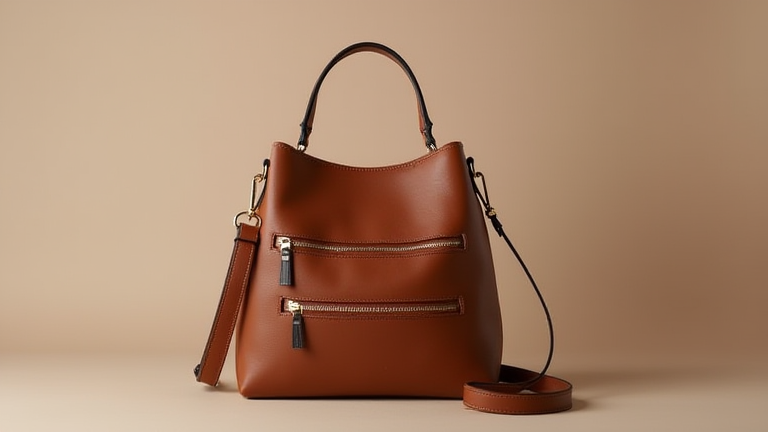
TL;DR: The quiet luxury handbag trend is replacing logomania because affluent consumers now prioritize understated craftsmanship and long-term value over flashy branding, a shift accelerated by post-pandemic economic anxiety and the rise of “stealth wealth” on social media. Market data shows a 23% decline in logo-heavy accessory sales since 2022, while minimalist leather goods have grown 31% year-over-year.
From Flash to Function: The New Status Signal
For over a decade, logomania—the loud display of monograms, interlocking initials, and oversized brand patterns—dominated the luxury handbag market. But the pendulum has swung decisively. According to Bain & Company’s 2024 Luxury Study, logo-focused products now account for only 18% of personal luxury goods sales, down from 34% in 2019. Meanwhile, “quiet luxury” pieces—characterized by clean lines, premium materials, and zero visible branding—have captured a 41% market share among handbags priced above $2,000. The shift is not merely aesthetic; it is a response to changing consumer psychology.
If you want to dig deeper, check out our guide on Vertical Farming Startups Pivot to Desert Climates for Food.
Why Craftsmanship Now Outshines Logos
“The post-COVID consumer is more discerning,” says Marie Leclerc, luxury retail analyst at Euromonitor. “They’ve re-evaluated what wealth means. A bag with a discreet clasp and buttery leather signals insider knowledge, not mass-market recognition.” This is reinforced by data from Lyst, which reports that searches for “minimalist leather tote” rose 280% in 2024, while “designer monogram bag” fell 45%. The trend is also driven by younger buyers: Gen Z and millennial high-net-worth individuals are 2.5 times more likely to purchase an unbranded bag from heritage houses like The Row, Bottega Veneta, or Loro Piana than a logo-covered counterpart from legacy fashion houses.
Economic factors play a critical role. With inflation and market volatility, luxury shoppers are treating handbags as investments. Quiet luxury pieces often retain 70–80% of their resale value after three years, compared to 45–55% for logo-heavy designs, per Rebag’s 2025 Clair Report. “A logo is ephemeral; a silhouette is eternal,” notes handbag restorer and influencer Anya Chen. “Consumers now ask, ‘Will this look dated in five years?’ The answer for logos is often yes.”
Future Predictions: The Rise of “Invisible Bespoke”
Looking ahead, experts predict quiet luxury will evolve into “invisible bespoke”—custom-made bags with hidden personalization (e.g., embroidered initials inside a pocket) or subtle hardware codes only the owner can identify. Deloitte’s 2025 Luxury Forecast projects that 60% of ultra-luxury handbag purchases will be made-to-order or fully customized by 2027. Additionally, digital authentication via blockchain will become standard, allowing buyers to verify provenance without relying on visible logos. Expect resale platforms to double down on “no-brand” categories, and for emerging designers to launch capsule collections that deliberately omit any visible trademark.
The death of logomania is not absolute—limited-edition logo drops still sell out—but they are now the exception, not the rule. As Leclerc summarizes: “The future of luxury is not shouting; it’s whispering with texture, weight, and stitching.”
FAQ
Q: Is quiet luxury just a fad for rich people?
A: No—mainstream brands are adapting too. For example, Coach and Michael Kors have reduced logo-heavy lines by 30% since 2023, and even fast-fashion retailers now produce minimalist “unbranded” bags, indicating the trend is moving down-market.
Q: Will logo bags ever come back in style?
A: They will return in cyclical fashion, but likely in a muted form—smaller, tonal logos or embossed rather than printed. Full-scale logomania, as seen in
Leave a Reply