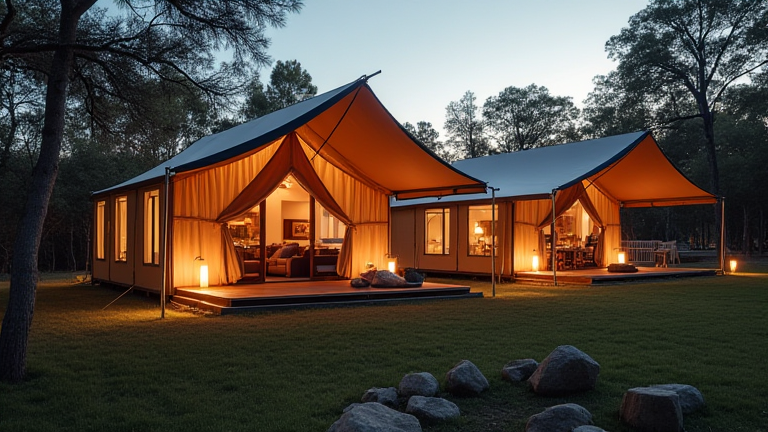
TL;DR: Glamping is the next big trend in outdoor travel because it removes the barriers of traditional camping—gear costs, physical discomfort, and setup time—while preserving the restorative benefits of nature. Backed by double-digit market growth and shifting traveler preferences, it is rapidly becoming the default entry point for outdoor hospitality.
A Market Moving Mainstream
Glamping has graduated from niche novelty to a core segment of outdoor hospitality. Market research firms value the global glamping market at roughly $3.5 billion in 2024, with projections of 10–14% compound annual growth through 2032. Booking platforms report that searches for “glamping” have more than doubled in three years, and luxury camping inventory now spans every continent. Investors have taken note: campground REITs and hospitality groups are reallocating capital toward premium tented camps, geodesic domes, and cabin hybrids.
If you want to dig deeper, check out our guide on Edge Inference: How It’s Reshaping Your Cloud Budget.
Why Travelers Are Choosing Comfort
The appeal is simple economics and demographics. Outdoor participation is broadening beyond dedicated campers to families, older travelers, and urban professionals who want nature without the gear burden. Industry experts note that glamping lowers the skill and cost barriers that keep millions of people out of camping entirely. Operators, meanwhile, benefit from higher nightly rates and longer booking windows than traditional campgrounds, improving revenue predictability. Sustainability is a supporting factor, as low-impact structures and off-grid energy systems align with eco-conscious traveler values.
What Comes Next
Analysts predict continued premiumization: wellness-focused retreats, year-round climate-controlled structures, and tech-enabled check-in will define the next wave. Consolidation is likely, as large hospitality brands acquire proven operators to scale quickly. The biggest constraint is not demand but supply—permitting, land access, and labor—which will shape where growth happens fastest. Expect glamping to increasingly serve as the gateway experience that reintroduces millions to outdoor travel.
FAQ
Q: Is glamping more expensive than traditional camping?
A: Yes, nightly rates are typically higher, but glamping eliminates gear purchases and setup costs, making it competitive for occasional travelers.
Q: Is glamping suitable for families and beginners?
A: Absolutely—it is designed for low-skill, low-stress access to nature, which makes it ideal for first-timers and families with children.
Q: Will glamping growth hurt traditional camping?
A: Most experts see it as complementary, expanding the overall outdoor market by attracting new participants who may later try conventional camping.
Leave a Reply