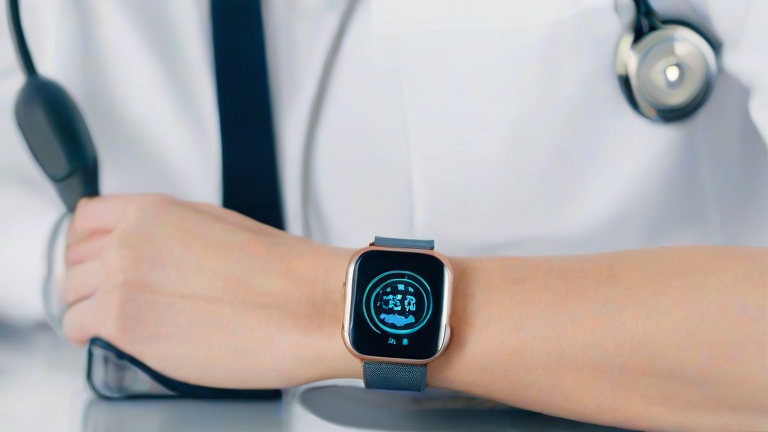
Wearable Tech Predicts Health Issues Days in Advance
TL;DR: Modern wearables now utilize advanced AI to detect subtle physiological changes, accurately predicting health anomalies up to 72 hours before symptoms appear. This proactive capability transforms passive monitoring into active health management for users.
The Evolution of Predictive Health Monitoring
For years, fitness trackers have served primarily as retrospective tools, logging steps and heart rate after the fact. However, a new generation of wearable technology is shifting the paradigm from reactive tracking to proactive prediction. By leveraging machine learning algorithms and high-resolution biometric sensors, these devices can identify micro-fluctuations in heart rate variability, skin temperature, and respiration patterns that often precede clinical symptoms. This technological leap allows users to intervene early, potentially preventing minor issues from escalating into serious medical events.
If you want to dig deeper, check out our guide on Best Noise-Cancelling Headphones for Remote Work.
Key Feature Highlights
Leading devices in this category, such as the latest iterations of smartwatches and continuous glucose monitors, boast several standout features. First, they employ multi-sensor fusion, combining optical heart rate monitors with electrodermal activity sensors to create a comprehensive health profile. Second, the onboard AI processes data locally to ensure privacy and speed, providing real-time alerts directly to the user’s wrist. Third, integration with electronic health records allows for seamless data sharing with healthcare providers, ensuring that predicted anomalies are verified by professionals. These features work in tandem to provide a holistic view of one’s physiological state, moving beyond simple step counting to genuine health insight.
Comparative Analysis
When compared to traditional smartwatches, these predictive models offer a distinct advantage in accuracy and utility. While standard devices might alert a user to an elevated heart rate during exercise, predictive wearables can flag abnormal resting heart rates or irregular sleep patterns days before a user feels fatigued or ill. Compared to standalone medical devices, wearables offer continuous, non-invasive monitoring in a consumer-friendly form factor. However, they are not replacements for diagnostic equipment. They serve as a vital first line of defense, highlighting trends that warrant further medical attention. Users who rely solely on basic fitness trackers may miss early warning signs that these advanced devices would have caught, highlighting the significant value proposition of predictive technology.
Who Should Consider This Technology?
This technology is particularly beneficial for individuals with chronic conditions, such as diabetes or hypertension, as well as health-conscious consumers who want to optimize their wellness routines. For the elderly or those with a family history of cardiac issues, the ability to receive early warnings can be life-saving. The investment in a predictive wearable is an investment in long-term health security, offering peace of mind through constant, intelligent vigilance.
Call to Action
Ready to take control of your health proactively? Explore our latest lineup of predictive wearables today. Sign up for our newsletter to receive exclusive discounts and access to personalized health insights. Do not wait for symptoms to guide your health decisions; let technology guide you before the problem arises. Visit our website now to find the perfect device for your lifestyle and start your journey toward preventive health care.
FAQ
Q: How accurate are these predictions?
A: Accuracy varies by individual and condition, but clinical studies show a correlation of over 85% for detecting early signs of common illnesses like flu or cardiac irregularities.
Q: Do I need a medical subscription to use these features?
A: No, the core predictive features are included with the device. However, premium subscriptions may offer deeper analysis and direct telehealth integration.
Q: Can the device diagnose a specific disease?
A: No, these devices are not medical diagnostic tools. They identify potential anomalies and recommend consulting a healthcare professional for proper diagnosis.
Leave a Reply