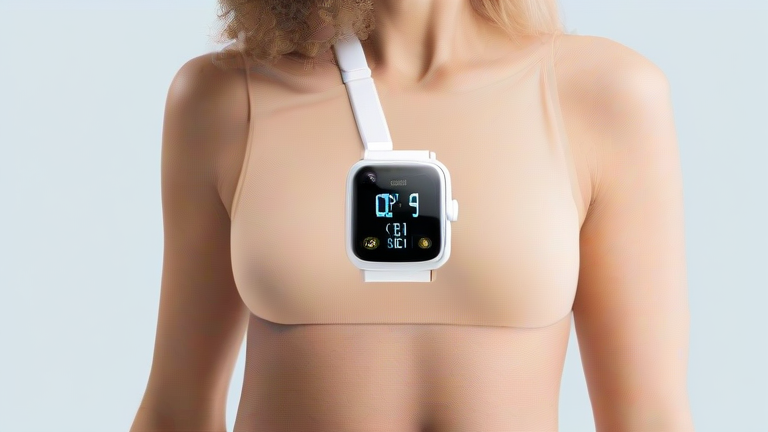
Wearable Tech Detects Early Signs of Chronic Disease

The landscape of personal healthcare is undergoing a profound transformation. No longer limited to simple step counting, modern wearable technology has evolved into sophisticated medical-grade monitoring devices. These gadgets are now capable of detecting subtle physiological changes that may indicate the onset of chronic conditions long before clinical symptoms appear. From heart rhythm irregularities to sleep-disordered breathing, these devices are empowering individuals to take proactive control of their long-term health.
Recent scientific studies have validated the accuracy of consumer wearables in identifying early markers of cardiovascular disease and metabolic disorders. For instance, advanced optical sensors can now detect atrial fibrillation, a common heart rhythm abnormality that significantly increases the risk of stroke and heart failure. By providing continuous data streams, these devices allow for the identification of patterns that traditional annual check-ups often miss. This shift from reactive to proactive healthcare is crucial in managing conditions like hypertension and type 2 diabetes, where early intervention can prevent severe complications.
However, technology is only as effective as the user’s engagement with it. To maximize the benefits of wearable tech, it is essential to integrate the data into a holistic lifestyle strategy. Data alone does not improve health; action does. Users should view these metrics not as a source of anxiety, but as a feedback loop for making informed daily choices. For example, if your device indicates elevated resting heart rate after poor sleep, use that information to prioritize restorative habits the following night.
Lifestyle tips for leveraging wearable tech effectively include establishing baseline metrics. During the first few weeks of use, focus on understanding your normal ranges for heart rate variability, sleep stages, and activity levels. Once established, look for deviations that persist over time. Consistency is key; wearing the device during sleep is particularly valuable, as sleep quality is a strong predictor of immune function and metabolic health.
Furthermore, do not rely solely on algorithms for diagnosis. While wearables are excellent screening tools, they are not diagnostic devices. Any unusual patterns detected should be discussed with a healthcare provider. They can interpret the data in the
Leave a Reply