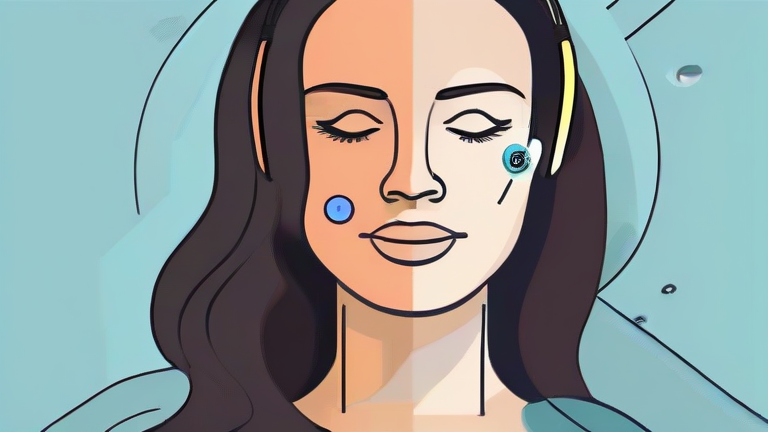
Real-Time Biofeedback: How Mental Health Apps Are Integrating Data

The landscape of digital mental health is undergoing a seismic shift. Moving beyond passive journaling and mood tracking, the industry is rapidly adopting real-time biofeedback mechanisms. This evolution represents a convergence of wearable technology, artificial intelligence, and clinical psychology, creating a proactive ecosystem for emotional well-being. According to a recent report by Grand View Research, the global mental health apps market size was valued at USD 6.2 billion in 2022 and is expected to expand at a compound annual growth rate (CAGR) of 15.3% from 2023 to 2030. A significant driver of this growth is the integration of physiological data streams, such as heart rate variability (HRV), sleep patterns, and galvanic skin response.
Experts argue that this integration marks a departure from subjective self-reporting toward objective, quantifiable metrics. Dr. Elena Rodriguez, a leading researcher in digital therapeutics, notes, “Traditional apps rely on users to recall how they felt yesterday, which is prone to bias and memory lapses. By integrating real-time biofeedback, we can detect physiological signs of stress or anxiety before the user consciously recognizes them. This allows for immediate, contextual interventions.” These interventions might include guided breathing exercises triggered by a sudden spike in heart rate or a gentle nudge to take a walk when activity levels drop significantly.
The technology behind this trend relies heavily on machine learning algorithms that analyze vast amounts of biometric data to identify personal baselines and deviations. For instance, if an app detects a consistent pattern of elevated cortisol indicators during specific work hours, it can suggest micro-breaks or mindfulness moments tailored to the user’s schedule. This personalized approach not only enhances user engagement but also improves clinical outcomes by providing therapists with actionable data during sessions.
Looking ahead, the future of mental health apps lies in predictive analytics and seamless integration with healthcare systems. We can expect to see more sophisticated AI models that predict potential mental health crises based on subtle changes in behavior and physiology. Furthermore, interoperability with electronic health records (EHRs) will allow for a more holistic view of patient care. As privacy regulations evolve, developers must prioritize data
Leave a Reply