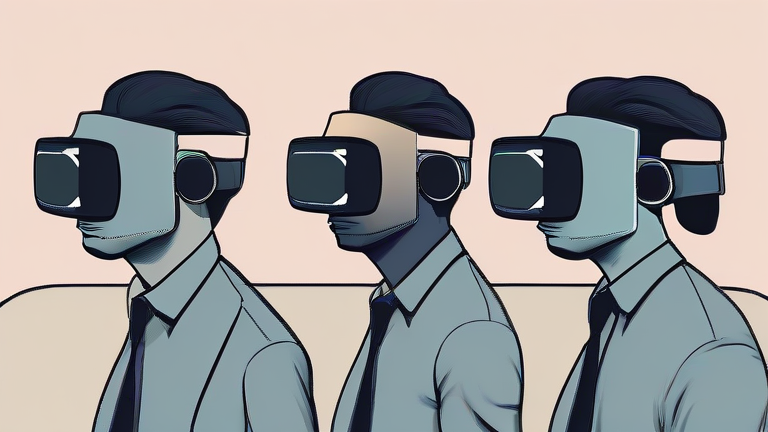
VR Therapy for PTSD: Why It’s Gaining Traction Now
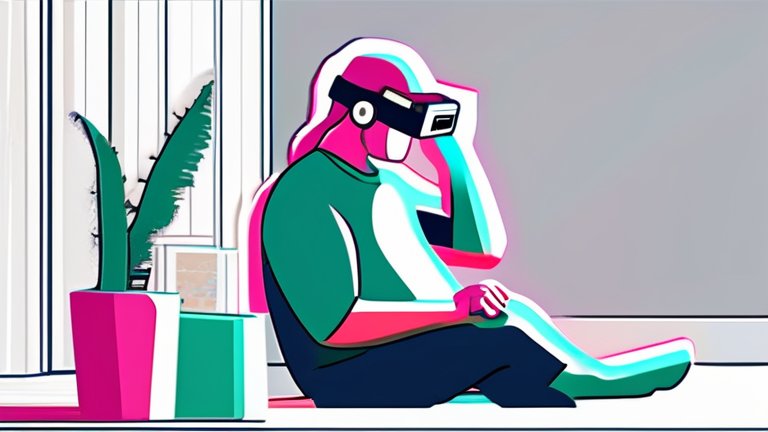
Imagine standing on the edge of a serene beach, the scent of salt in the air, the rhythmic crash of waves against the shore. For most, this is a relaxing escape. For someone with Post-Traumatic Stress Disorder (PTSD), certain environments can trigger debilitating anxiety, panic, or flashbacks. However, a revolutionary approach known as Virtual Reality Exposure Therapy (VRET) is transforming how we understand healing, merging technology with personal growth in ways that were once the stuff of science fiction.
The integration of VR into mental health care is not just about novelty; it is about accessibility and control. Traditional exposure therapy requires patients to revisit traumatic memories or environments, often in a controlled office setting. While effective, it can be intensely overwhelming. VR changes the landscape by allowing patients to engage with triggering stimuli in a safe, simulated environment. They can control the intensity, the duration, and the context of the exposure. This autonomy is crucial for personal growth, fostering a sense of empowerment rather than victimization.
Travel and culture have always been powerful tools for healing, offering new perspectives and breaking the monotony of daily trauma. VR extends this concept by bringing the world to those who cannot physically travel. A veteran confined to a wheelchair can walk through the bustling streets of Tokyo. A survivor of a car accident can gradually re-enter a simulated traffic environment at their own pace. This digital tourism is not merely entertainment; it is therapeutic recalibration.
Moreover, the cultural shift towards destigmatizing mental health has paved the way for innovative treatments. Society is increasingly recognizing that healing is not linear and that traditional methods may not suit everyone. VR therapy offers a personalized, data-driven approach that adapts to the individual’s psychological state. Real-time biometric feedback allows therapists to adjust scenarios instantly, ensuring the patient remains within their “window of tolerance.”
As we move forward, the intersection of technology and empathy becomes clearer. VR therapy for PTSD is gaining traction because it respects the complexity of human trauma while leveraging modern innovation. It offers hope to millions who have felt stuck in the past, providing a bridge to a future
Leave a Reply