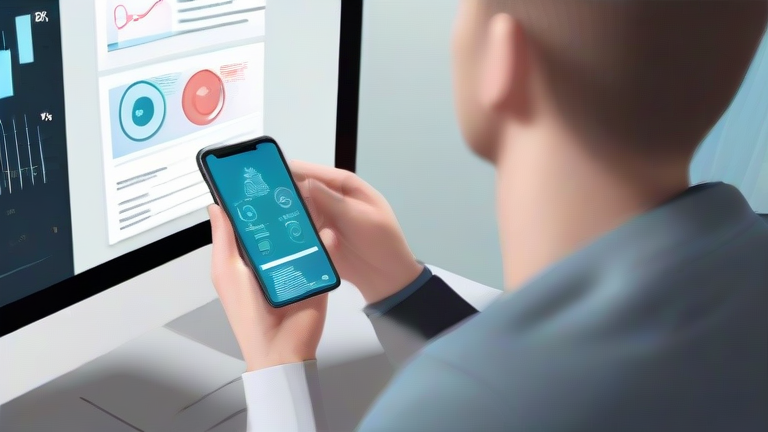
How Mental Health Apps Integrate With Corporate Wellness
In the modern corporate landscape, employee well-being has shifted from a peripheral benefit to a central strategic pillar. As burnout rates climb and remote work blurs the lines between professional and personal life, companies are increasingly turning to digital solutions to support their workforce. Mental health applications have emerged as powerful tools in this ecosystem, offering scalable, accessible, and data-driven support systems that traditional counseling alone cannot provide. This article explores how these technologies are reshaping corporate wellness programs.
At the core of this transformation is seamless integration. Leading platforms no longer operate as isolated islands of content but function as comprehensive hubs that connect with existing HR software, Slack channels, and calendar systems. This interoperability allows for a frictionless user experience, enabling employees to access mindfulness exercises, therapy sessions, or stress-management resources without navigating complex administrative hurdles. For employers, this means higher engagement rates and a clearer view of overall team sentiment through anonymized aggregate data.
If you want to dig deeper, check out our guide on Neuroadaptive Interfaces: Replacing Traditional Screens.
Feature Highlights and Platform Comparisons
When evaluating these tools, it is crucial to look beyond basic meditation timers. The most effective corporate mental health apps offer a tiered approach to care. Top-tier platforms like Headspace for Work and Calm Business provide extensive libraries of guided meditations, sleep stories, and focus music. However, their true value lies in their integration with live therapy services. Features such as on-demand coaching, cognitive behavioral therapy (CBT) modules, and 24/7 crisis support lines distinguish market leaders from generic wellness apps.
For instance, platforms like Lyra Health and Modern Health focus heavily on clinical outcomes. They utilize AI-driven triage to match employees with the right level of care, whether that is a brief coaching session or long-term psychotherapy. In contrast, apps like Happify use game-based psychology to build resilience skills, making mental health maintenance feel less clinical and more engaging. When comparing these options, organizations must consider their specific demographic needs. A younger, tech-savvy workforce might prefer the gamified approach of Happify, while a high-stress financial sector team might prioritize the immediate access to licensed therapists offered by Lyra.
Another critical differentiator is the dashboard provided to employers. While individual privacy is paramount, aggregate insights help HR departments identify trends, such as spikes in stress during certain quarters or
Leave a Reply