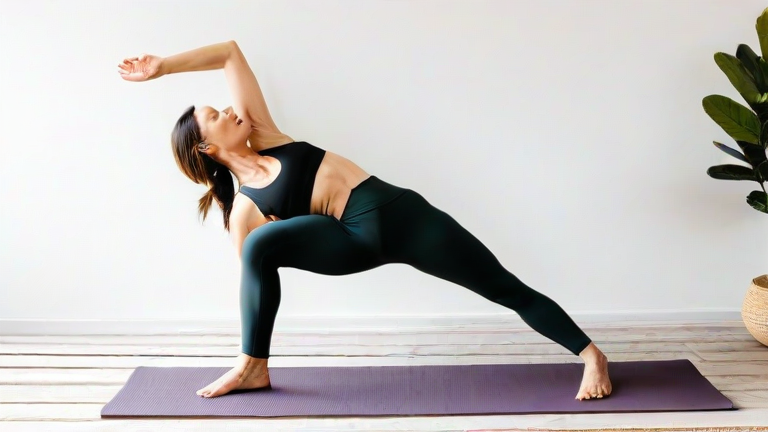
TL;DR: The top sustainable yoga mat trends for your next home studio center on closed-cell natural rubber and cork blends, plastic-free TPE, and traceable supply chains that cut embodied carbon by up to 40%. Expect 2025 buyers to prioritize verified biodegradability, non-toxic certifications, and take-back programs over recycled-content claims alone.
1. Natural Rubber and Cork Take the Lead
Natural tree rubber remains the benchmark for grip and durability, but cork-topped rubber hybrids are the fastest-growing premium segment. Market research firm Grand View Research values the global yoga mat market at roughly $1.6 billion in 2024, with eco-friendly materials projected to grow at over 8% annually through 2030 — well ahead of PVC and standard foam.
If you want to dig deeper, check out our guide on GLP-1 Drugs Go Beyond Weight Loss: New Markets Emerge.
2. TPE Replaces PVC
Thermoplastic elastomer (TPE) has become the default PVC alternative: it’s lightweight, latex-free, and recyclable in closed-loop programs. Retail data from major sporting goods chains shows PVC mats now below 25% of unit sales in North America and Europe, down from nearly half a decade ago.
3. Plastic-Free, Bio-Based Foams
Next-gen foams made from sugarcane, algae biomass, and FSC-certified natural rubber are entering the mid-price tier. These materials reduce reliance on petrochemicals while keeping the cushioning home practitioners expect.
4. Verified Biodegradability
Brands are moving beyond vague “eco” language to third-party biodegradability testing (ASTM D5511-style protocols) and published decomposition timelines. Experts caution that landfill conditions matter — a mat labeled biodegradable may behave very differently in a home compost versus an anaerobic facility.
5. Non-Toxic Certifications Front and Center
Look for OEKO-TEX Standard 100, GREENGUARD Gold, and SGS testing for phthalates and heavy metals. “Certification is becoming the new marketing,” says a sustainability consultant working with yoga equipment brands. “Buyers scan QR codes at the shelf.”
6. Traceable Supply Chains
Blockchain-backed and batch-coded traceability lets consumers verify rubber plantation origins and fair-labor practices. Transparency reports are shifting from PDFs to scannable labels.
7. Take-Back and Recycling Programs
Mail-in recycling and trade-in credits are becoming standard for premium brands, addressing the end-of-life gap that has plagued the category.
8. Low-Carbon Manufacturing
Solar-powered factories and reduced-water cork processing are appearing in supplier disclosures, with several brands targeting 30–40% embodied-carbon reductions by 2027.
9. Circular Design and Modular Mats
Replaceable top layers and repairable surfaces extend product life, aligning with right-to-repair expectations among younger buyers.
10. Minimal, Plastic-Free Packaging
Paper wraps, soy inks, and zero polybags are now baseline requirements for eco-conscious studios and home practitioners alike.
FAQ
Q: Are cork yoga mats actually more sustainable than rubber?
A: Cork is rapidly renewable and antimicrobial, but performance depends on the rubber or TPE base layer — evaluate the full material stack and certifications, not just the top surface.
Q: What certification should I look for first?
A: Start with OEKO-TEX Standard 100 for chemical safety, then check for verified biodegradability or recycling program participation.
Q: Will sustainable mats cost more?
A: Expect a 15–30% premium over conventional PVC mats, though prices are falling as bio-based foams scale and competition in the eco segment intensifies through 2027.
Leave a Reply