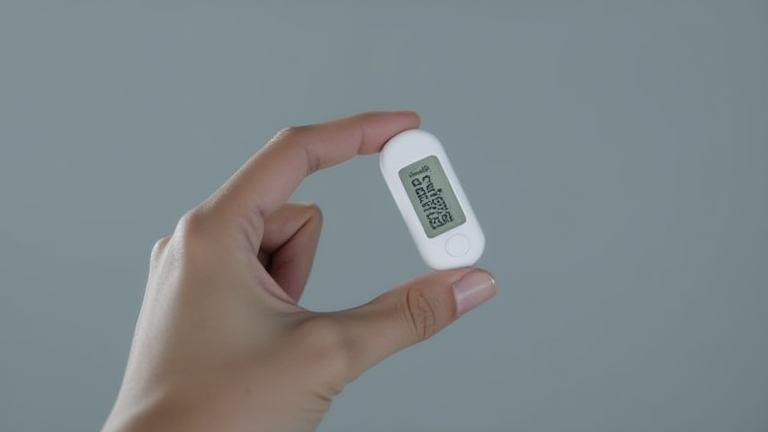
TL;DR: Continuous glucose monitors (CGMs) have transitioned from niche medical devices to mainstream consumer health tools, driven by FDA-cleared non-insulin-dependent use cases and seamless smartphone integration. Key developments include longer sensor lifespans, improved accuracy metrics, and the rise of direct-to-consumer sales models that democratize real-time metabolic data access.
The Shift to Non-Insulin-Dependent Users
The most significant recent development is the widespread FDA approval for CGMs to be used by individuals without diabetes. Manufacturers like Dexcom and Abbott have secured clearances allowing healthy adults to monitor blood glucose levels for weight management, athletic performance, and general wellness. This regulatory shift has exploded the market, turning a device once strictly for diabetic management into a popular biohacking tool. Users can now track how specific foods, exercise, and sleep affect their glycemic response in real time, providing a level of granular data previously available only through invasive finger-prick tests.
Technical Specifications and Hardware Advancements
Modern CGMs feature sleek, subcutaneous sensors that sit just under the skin, typically on the abdomen or upper arm. The latest iterations offer a lifespan of up to ten to fourteen days, significantly reducing the frequency of device changes compared to earlier models. Accuracy has improved markedly, with many devices achieving a mean absolute relative difference (MARD) below nine percent, which is comparable to traditional blood glucose meters. Connectivity is another critical spec; sensors now use Bluetooth 5.0 or proprietary wireless protocols to transmit data continuously to paired smartphones or dedicated displays. This allows for real-time alerts for high or low glucose levels, historical trend analysis, and integration with third-party health apps like Apple Health and Garmin Connect. The hardware itself is water-resistant to IPX7 standards, allowing users to shower and swim without removing the sensor.
Industry Impact and Market Dynamics
The mainstream adoption of CGMs is disrupting the medical device and consumer electronics industries. Health insurance providers are increasingly covering these devices for Type 2 diabetes patients, while direct-to-consumer sales are booming among fitness enthusiasts. This trend is forcing traditional healthcare systems to adapt, as patients arrive with extensive data sets that challenge conventional diagnostic approaches. Pharmaceutical companies are also leveraging CGM data to develop more personalized medication protocols. Furthermore, the rise of CGMs has sparked conversations about data privacy and the commercialization of personal health metrics. As prices drop and technology improves, CGMs are poised to become as ubiquitous as fitness trackers, fundamentally changing how individuals view metabolic health and daily lifestyle choices.
FAQ
Q: Do I need a prescription to buy a CGM?
A: It depends on your location and the specific device. Many CGMs now require a prescription for insurance coverage, but some manufacturers offer direct-to-consumer purchases without one for non-diabetic users.
If you want to dig deeper, check out our guide on How QuickBooks Automation Cuts Accounting Time by 40%.
Q: Are CGMs accurate enough to replace finger-prick testing?
A: For most daily monitoring purposes, modern CGMs are highly accurate. However, for critical decisions like insulin dosing, manufacturers still recommend confirming with a finger-prick test if readings seem unusual or symptoms don’t match the data.
Q: How long does a single CGM sensor last?
A: Most current models last between ten and fourteen days. Some newer technologies are testing sensors that can last up to three weeks, but the two-week mark remains the industry standard for most commercial products.
Leave a Reply