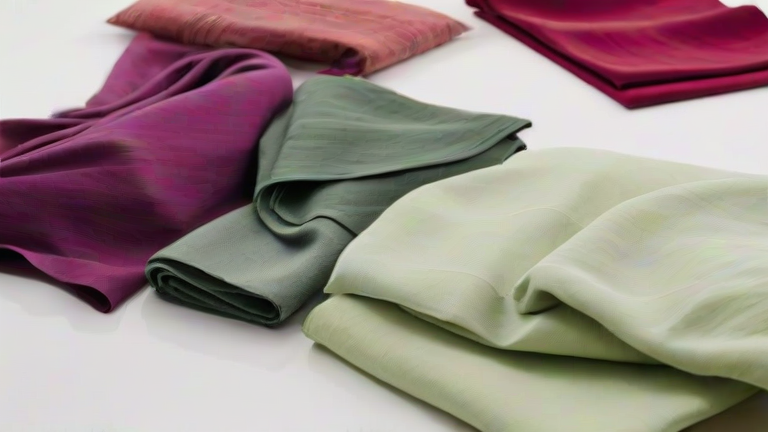
TL;DR: New waterless and digital dyeing technologies are eliminating wastewater, chemical runoff, and fabric waste by applying color with CO2, lasers, or precise inkjet systems. These methods cut water use by up to 95% and are moving from pilot projects to commercial-scale adoption across global supply chains.
The Waste Problem Finally Meets Its Match
Textile dyeing is one of fashion’s dirtiest secrets. Conventional dyeing consumes roughly 93 billion cubic meters of water annually and generates 20% of global industrial wastewater, according to World Bank estimates. The market is responding: the sustainable textile dyeing sector was valued at approximately $2.1 billion in 2023 and is projected to grow at a compound annual growth rate of 11–14% through 2030, per industry analysts tracking green manufacturing.
If you want to dig deeper, check out our guide on Subscription Fatigue: How It’s Reshaping Pricing Models.
How the Technology Works
Three approaches are gaining commercial traction. Supercritical CO2 dyeing, pioneered by firms like DyeCoo, replaces water entirely with pressurized carbon dioxide that carries dye into fibers and is then recovered and reused—achieving over 95% water savings. Digital inkjet dyeing applies color only where needed, slashing dye waste and enabling on-demand production. Meanwhile, laser finishing technologies from companies such as Jeanologia eliminate the need for water-intensive stone washing and chemical bleaching in denim.
Expert Insights
“The economics have flipped,” says Dr. Elena Vasquez, a sustainable materials researcher at a European textile institute. “Five years ago, green dyeing cost 30–40% more. Today, with water pricing, effluent fines, and energy recovery factored in, the payback period for CO2 systems is under three years for high-volume mills.” Brands including Nike, IKEA, and H&M have already integrated waterless dyeing into limited production lines, signaling mainstream confidence.
What’s Next
Analysts predict that by 2030, 25–30% of global textile coloration will use waterless or digital methods. Key hurdles remain: high capital costs for retrofitting mills, scalability for natural fibers, and the need for standardized color-fastness certification. Expect consolidation as equipment makers partner with chemical suppliers to offer turnkey solutions, and watch for EU regulations on textile effluent to accelerate adoption across Asian manufacturing hubs.
FAQ
Q: Is waterless dyeing as colorfast as traditional dyeing?
A: Yes—modern CO2 and digital systems meet or exceed standard wash-fastness and light-fastness ratings, and major brands now require certification before adopting them.
Q: Which fabrics work best with these technologies?
A: Synthetic fibers like polyester are the most mature application today, while cotton and wool are advancing rapidly through pilot programs and are expected to reach commercial scale within a few years.
Q: Will waterless dyeing make clothing more expensive?
A: Initial costs can be higher, but savings on water, chemicals, and energy typically offset them—and at scale, experts expect price parity with conventional dyeing by the late 2020s.
Leave a Reply