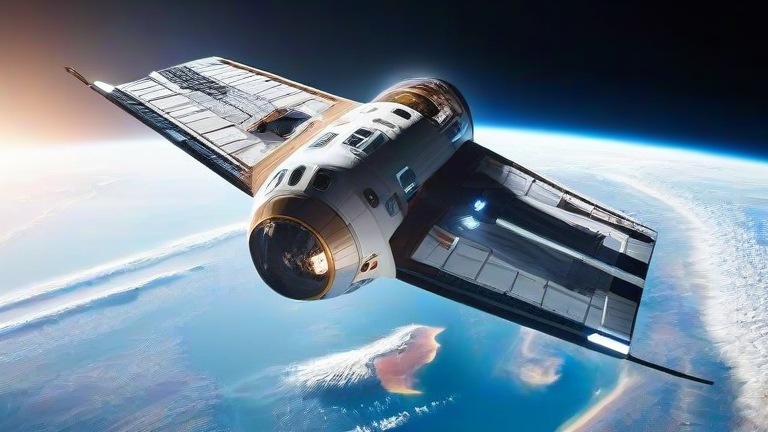
Space Tourism: The Rise of a Viable Luxury Industry
TL;DR: Space tourism has transitioned from a conceptual novelty to a viable luxury market, driven by rapid technological advancements and high-net-worth demand. Companies are now establishing sustainable business models by targeting ultra-wealthy individuals seeking unique, once-in-a-lifetime experiences that transcend traditional luxury travel.
Market Analysis
The global space tourism sector is projected to reach $2.9 billion by 2025, with a compound annual growth rate exceeding 20%. This growth is fueled by the democratization of launch capabilities and the emergence of suborbital and orbital tourism packages. The primary customer base consists of billionaires, tech entrepreneurs, and high-net-worth individuals who view spaceflight as the ultimate status symbol. Unlike traditional luxury goods, space tourism offers an experience that is inherently exclusive and non-replicable, creating a powerful marketing hook. However, the market remains niche, with high price points ranging from $200,000 for suborbital hops to over $50 million for orbital stays. As costs decrease through reusability and improved launch cadence, the potential customer base is expected to expand to include successful entrepreneurs and wealthy celebrities, further legitimizing the industry.
If you want to dig deeper, check out our guide on 10 Simple Lifestyle Hacks for a Happier, Healthier You.
Strategy Insights
Success in this sector requires a dual focus on safety and exclusivity. Companies must prioritize rigorous safety protocols to build trust, as any incident could devastate the brand. Simultaneously, they must curate the pre-flight and post-flight experiences to match the luxury standards of five-star hotels. This includes personalized training, bespoke spacecraft interiors, and high-end hospitality services. Strategic partnerships with luxury brands, such as fashion houses or high-end resorts, can enhance the overall value proposition. Additionally, companies are leveraging media rights and branding opportunities to create secondary revenue streams, transforming the flight into a global spectacle that generates public interest and investor confidence.
Case Studies
Virgin Galactic and Blue Origin serve as primary case studies. Virgin Galactic has successfully marketed its suborbital flights to celebrities and investors, using high-profile launches to generate media buzz and validate its technology. Blue Origin, led by Jeff Bezos, focuses on vertical integration and reusability, aiming to lower costs significantly. Both companies have demonstrated that demand exists, but they face different challenges: Virgin Galactic struggles with scaling production while maintaining quality, while Blue Origin focuses on long-term sustainability. A third player, Axiom Space, targets the orbital market, partnering with NASA to bring private astronauts to the ISS. This approach allows them to leverage existing infrastructure while building their own brand identity in the orbital sector. These cases illustrate that while the technology is mature enough for commercial operations, the business models are still evolving to ensure profitability and scalability.
FAQ
Q: Is space tourism safe for tourists?
A: Safety is the top priority for all major providers, with rigorous testing and multiple redundant systems in place to minimize risk, though inherent risks remain due to the novelty of the technology.
Q: How much does a space tourism trip cost?
A: Costs vary widely, with suborbital flights starting around $200,000 and orbital missions costing several millions to tens of millions of dollars, depending on the provider and duration.
Q: When will space tourism become more accessible?
A: Experts predict that as launch costs decrease through reusability and increased competition, prices may drop to make suborbital flights accessible to the upper-middle class within the next decade.
Leave a Reply