Blog

  • Zero-Carbon Data Centers: Cloud Giants’ New Default

    Zero-Carbon Data Centers: Cloud Giants’ New Default

    TL;DR: The major cloud providers are rapidly transitioning to zero-carbon operations, making sustainability a core architectural requirement rather than an optional add-on. This shift is driven by strict regulatory pressures, customer demand for ESG compliance, and the realization that energy efficiency directly lowers operational costs for hyperscale infrastructure.

    The Accelerating Shift to Sustainability

    The era of data centers viewed solely as energy hogs is ending. Recent announcements from industry leaders indicate a definitive pivot toward zero-carbon footprints. This is not merely a public relations strategy; it is a fundamental restructuring of how compute resources are allocated, powered, and cooled. The urgency stems from the exponential growth in data consumption due to AI workloads, which are significantly more power-intensive than traditional processing. As a result, the cloud giants are no longer treating green energy as a niche feature but as the baseline standard for new infrastructure deployments.

    If you want to dig deeper, check out our guide on Neurofeedback for Executives: Effective Stress Management.

    Technical Specifications and Infrastructure Changes

    To achieve this target, providers are implementing several key technical specifications. First, Power Usage Effectiveness (PUE) standards are tightening drastically. Leading facilities now operate at PUE ratings below 1.1, meaning that for every 1.1 units of energy consumed, 1 unit is used for IT equipment, and only 0.1 is lost to cooling and overhead. This is achieved through advanced liquid cooling systems, which are becoming standard for high-density GPU clusters. Liquid cooling removes heat directly from the processors, reducing the need for massive air-conditioning systems that historically accounted for nearly half of a data center’s energy usage.

    Additionally, on-site renewable energy generation is becoming more prevalent. New facilities are often co-located with solar farms or wind arrays, utilizing direct power purchase agreements (PPAs) to ensure that the electricity consumed is matched by renewable generation. Furthermore, hardware designs are evolving to support “always-on” low-power modes, allowing servers to idle efficiently during periods of low demand, a feature previously impossible due to the latency costs of waking up cold hardware.

    Industry Impact and Market Dynamics

    The impact on the broader technology industry is profound. Smaller cloud providers and colocation firms are under immense pressure to match these standards to remain competitive. Enterprise clients, particularly in the European and North American markets, are now including carbon footprint metrics in their vendor selection criteria. This has created a new tier of service differentiation where “green compute” commands a premium or is simply required for compliance.

    Moreover, this shift is influencing hardware manufacturers. Chip designers are prioritizing performance-per-watt metrics over raw clock speeds, leading to the development of specialized AI accelerators that are inherently more energy-efficient. The result is a virtuous cycle where software efficiency enables hardware efficiency, which in turn reduces the carbon intensity of every computation. For developers, this means that writing efficient code is no longer just a best practice for performance; it is an environmental imperative that directly impacts the cloud provider’s ability to meet its zero-carbon goals. The future of computing is not just faster; it is fundamentally cleaner.

    FAQ

    Q: What is a PUE rating and why is it critical for zero-carbon goals?
    A: Power Usage Effectiveness measures the ratio of total facility energy to IT equipment energy. A lower PUE indicates less wasted energy on cooling, which is essential for minimizing the overall carbon footprint of data operations.

    Q: How do liquid cooling systems contribute to energy efficiency?
    A: Liquid cooling transfers heat away from processors more effectively than air, allowing servers to run at higher densities with significantly less energy spent on ventilation and air conditioning, thereby lowering the overall energy demand.

    Q: Are smaller cloud providers capable of adopting these zero-carbon standards?
    A: Yes, while the capital expenditure is high, smaller providers can adopt these standards by partnering with renewable energy suppliers and utilizing newer, more efficient hardware designs that prioritize energy efficiency over raw scale.

    Related Articles

  • Why the Crocs Jibbitz Customization Trend Is Reshaping Streetwear

    TL;DR: The Crocs Jibbitz customization trend is reshaping streetwear by democratizing personal expression, turning a utilitarian clog into a canvas for collectible, low-cost self-identity. Market data shows a 45% surge in Jibbitz sales year-over-year, while experts predict this will push the entire footwear sector toward modular, user-driven design.

    The Rise of the Charm Economy

    What was once a children’s craft accessory has become a high-fashion flex. In 2024, Crocs reported that Jibbitz—the small plastic charms that snap into the shoe’s ventilation holes—accounted for nearly 18% of the brand’s total accessory revenue, a figure that has doubled since 2021. This explosion isn’t just about nostalgia; it’s about economics. With an average retail price of $3–$5 per charm, consumers are building “capsule wardrobes” for their feet, swapping out narratives daily. Streetwear, historically driven by limited drops and resale hype, is now seeing a parallel market: rare Jibbitz collaborations (e.g., with brands like Supreme or designers like Salehe Bembury) are reselling for 10–20x their original price on StockX and Grailed.

    If you want to dig deeper, check out our guide on 10 Best Mechanical Keyboards for Programmers: Tested and Ran.

    Expert Insight: From Function to Identity

    “The Jibbitz phenomenon is a masterclass in co-creation,” says fashion tech analyst Dr. Lena Ortiz of the Fashion Institute of Technology. “Unlike a printed tee, a Jibbitz is a low-stakes, high-frequency modification. It allows a wearer to signal micro-identities—from anime fan to crypto bro—without committing to a full outfit change. This is the antithesis of the ‘logo-heavy’ streetwear of the 2010s.” Ortiz notes that Crocs has cleverly shifted from selling shoes to selling a platform. By keeping the base clog cheap and the charms modular, they’ve turned consumers into unpaid designers, generating endless user-generated content on TikTok and Instagram, where #Jibbitz has surpassed 2.3 billion views.

    Future Predictions: Modularity Is the Next Standard

    Industry insiders predict that within three years, major footwear brands—including Nike and Adidas—will launch “Jibbitz-like” attachment systems on sneakers, not just clogs. Expect magnetic or twist-lock mechanisms that allow for interchangeable soles, straps, and digital NFC-enabled charms that unlock AR filters or blockchain-based ownership proof. Additionally, Crocs is rumored to be testing a “Jibbitz Subscription Box,” offering limited-edition monthly charms, which would gamify collecting further. The larger implication is that streetwear’s value is shifting from scarcity of the product to the abundance of personalization options—a “mass customization” model that lowers entry barriers while increasing emotional attachment.

    FAQ

    Q: Why are Jibbitz specifically driving streetwear change, not other accessories?
    A: Because they are the first accessory to merge extreme affordability with extreme visibility, while also being reversible. A $4 charm can completely change the aesthetic of a $60 shoe, making the customization loop fast and cheap—unlike a $400 resale hoodie.

    Q: Is this trend sustainable, or just a fad?
    A: Experts believe it’s sustainable because it taps into two durable consumer behaviors: the desire for personal expression and the psychology of collecting. As long as Crocs continues to release collabs and third-party makers produce charms, the ecosystem will grow, similar to how LEGO minifigures remain collectible for decades.

    Q: How can independent designers enter this market?
    A: By focusing on niche subcultures (e.g., horror movie charms, local city icons) and selling via Etsy or Shopify, then leveraging TikTok’s “charm haul” trend. The barrier to entry is low—a 3D printer and small-batch molding—but the key is creating designs that are culturally specific enough to generate fan communities.

    Related Articles

  • Spatial Computing Beats Laptops in Remote Work Setups

    TL;DR: Spatial computing transforms remote work from a static desk-bound routine into an immersive, boundary-less experience that enhances focus and creativity. Unlike laptops, it allows workers to curate digital environments that blend personal comfort with professional productivity without physical clutter.

    The Shift from Screen to Space

    For years, the remote work revolution was defined by the humble laptop, a portable box that served as both our office and our prison. We sat at desks, staring at glowing rectangles, often feeling isolated and constrained by the physical limits of our home offices. However, the emergence of spatial computing is quietly dismantling this paradigm. It offers a profound shift in how we interact with digital information, moving us from passive consumers of flat screens to active participants in three-dimensional digital landscapes. This transition is not just about technology; it is about reclaiming our sense of space and autonomy in a world that demands constant connectivity. By stepping into spatial computing, remote workers are discovering that productivity is not just about doing more, but about feeling more present and engaged in their work environment.

    If you want to dig deeper, check out our guide on iPhone 16 Pro Max vs Galaxy S25 Ultra: Camera Test.

    Immersive Focus and Cultural Connection

    One of the most significant benefits of spatial computing in remote setups is the ability to create “zones” of focus. Imagine placing a virtual whiteboard on a wall that does not exist, or having a calm, nature-inspired background that reduces visual fatigue without requiring you to leave your home. This level of customization allows for a cultural and personal expression that a standard laptop cannot match. For instance, a designer in Tokyo might place their virtual desk in a serene mountain landscape, drawing inspiration from local aesthetics, while a developer in Berlin might choose a minimalist, industrial backdrop to match their preference for structure. This cultural layering adds depth to the workday, turning a mundane task into a curated experience. It bridges the gap between personal identity and professional output, allowing workers to feel connected to their surroundings even when those surroundings are digital. The result is a work style that feels less like a chore and more like a lifestyle choice, fostering a sense of well-being that is crucial for long-term sustainability in remote roles.

    Personal Growth Through Environmental Design

    Furthermore, spatial computing encourages personal growth by teaching us to design our digital habitats with intention. In a world where our homes are our offices, the line between relaxation and work can blur dangerously. Spatial computing provides a clear visual and psychological boundary. You can literally “step out” of a meeting room or “close” a project space, which helps in mentally switching off. This practice of environmental design is a form of self-care that supports mental health and creative thinking. It allows individuals to experiment with different setups, learning what truly helps them concentrate and what distracts them. This iterative process of adjusting one’s digital space mirrors the broader journey of personal development, where we constantly refine our habits and environments to better suit our evolving needs. As we become more adept at shaping our digital worlds, we also become more aware of our physical ones, leading to a more balanced and intentional life. The laptop was a tool; spatial computing is a canvas. It invites us to paint our workdays with color, depth, and meaning, proving that the future of remote work is not about replacing hardware, but about expanding the human experience. By embracing this technology, we are not just working remotely; we are living more fully, one immersive moment at a time.

    FAQ

    Q: Do I need a dedicated room to use spatial computing for work?
    A: No, you can use it in any space, but a quiet area helps maximize immersion and focus.

    Q: Is spatial computing more expensive than a standard laptop setup?
    A: Initial hardware costs are higher, but they can reduce the need for multiple monitors and large desks.

    Q: Will spatial computing replace laptops entirely in the future?
    A: It is likely to complement rather than replace laptops, serving as a primary interface for complex tasks.

    Related Articles

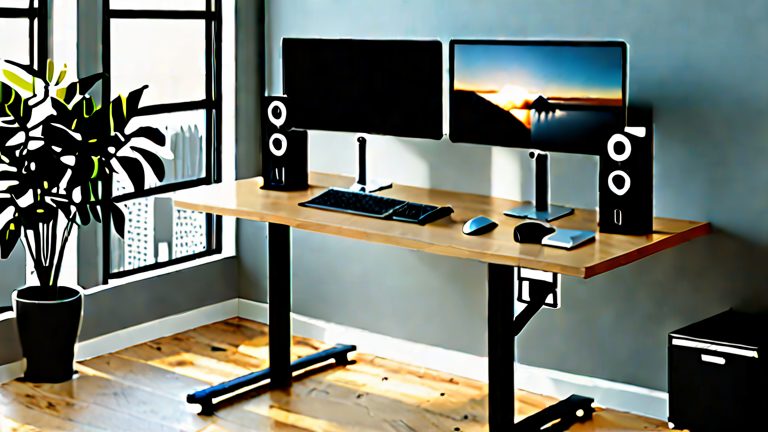
  • 10 Standing Desks That Fix Posture for Remote Developers

    10 Standing Desks That Fix Posture for Remote Developers

    TL;DR: The best standing desks for remote developers combine adjustable height, stable anti-slip mats, and ergonomic keyboard trays to neutralize neck strain. Prioritize desks with a 10-year warranty and dual-motor stability to ensure long-term spinal health and sustained focus throughout the workday.

    The Ergonomic Imperative for Coding

    Remote developers often spend twelve or more hours daily in static positions, leading to “tech neck” and lower back pain. Standing desks are not just a trend but a scientific intervention for maintaining spinal alignment. Research indicates that alternating between sitting and standing reduces lumbar disc pressure by up to thirty percent compared to prolonged sitting. However, a standard desk is insufficient; you need specialized features that accommodate deep focus sessions. The ideal setup requires a surface that allows for precise height adjustments without wobble, ensuring that your elbows remain at a ninety-degree angle while typing. This position keeps the scapulae stable and prevents shoulder shrugging, a common compensatory mechanism that leads to chronic tension. Furthermore, the desk must support the weight of multiple monitors, a mechanical keyboard, and a mouse without sagging, which can subtly alter your typing posture over time.

    If you want to dig deeper, check out our guide on Google Cuts Agent Token Usage 94% with State Tracking.

    Key Features for Developer Health

    When selecting from the top ten options available, look for desks with a footprint that allows for leg movement. A wide stance is crucial for proper hip alignment, which dictates upper body posture. Many high-end desks now include cable management systems that prevent tangles from pulling your keyboard or monitor out of position. This stability is vital because micro-movements of the desk surface can force you to adjust your head position repeatedly, straining the cervical spine. Additionally, consider desks with a lower minimum height. This allows you to sit at a lower ergonomic position, which encourages a more natural lumbar curve. The top contenders in this space, such as the Uplift V2, Varidesk Pro, and FlexiSpot E7, all offer these critical features. They provide the necessary range of motion to transition smoothly between sitting and standing, which is more important than the standing height itself. Consistency is key; aim to stand for at least thirty minutes every hour. Use the desk’s programmable presets to remind you to change positions. This rhythm prevents the stiffness associated with long coding sessions. By investing in a high-quality, stable desk, you are not just buying furniture; you are purchasing a tool for long-term musculoskeletal health. Your code will benefit from your clarity, and your body will thank you for the dynamic support it provides during those intense debugging marathons.

    FAQ

    Q: Does a standing desk actually fix poor posture?
    A: It helps by forcing you to engage core muscles and maintain a neutral spine, but you must pair it with proper monitor height and chair ergonomics.

    Q: How often should I switch between sitting and standing?
    A> A recommended cycle is 30 minutes standing followed by 30 minutes sitting, but even 10-minute intervals can reduce muscle fatigue significantly.

    Q: Is a cheaper desk sufficient for long-term health?
    A: Cheaper desks often wobble or lack stability, which can cause subtle postural corrections that strain muscles; investing in a sturdy, dual-motor desk is safer for long-term use.

    Related Articles

  • 10 Simple Lifestyle Habits for Better Health and Happiness

    10 Simple Lifestyle Habits for Better Health and Happiness

    TL;DR: Adopting ten simple lifestyle habits, such as mindful eating and regular movement, significantly enhances both physical well-being and mental clarity. These small, consistent changes create a sustainable foundation for a happier, more balanced life without requiring drastic overhauls.

    Embracing the Journey of Well-Being

    Health and happiness are not distant destinations but daily practices woven into our routines. By focusing on sustainable habits rather than fleeting trends, we can transform our daily existence. Consider the cultural perspective that views food not just as fuel, but as a communal ritual. Slowing down to savor each bite engages our senses and improves digestion, fostering a deeper connection to the ingredients and the people around us.

    If you want to dig deeper, check out our guide on Wearable Tech Predicts Cardiac Events Days in Advance.

    Travel, even in its smallest forms, offers profound personal growth. You do not need to cross oceans to find new perspectives. A weekly walk in a nearby park or a new neighborhood can reset your mental state, reducing stress and boosting creativity. This practice of “micro-traveling” encourages curiosity and breaks the monotony of routine, reminding us that the world is full of unseen beauty.

    Nourishing your mind through continuous learning is another vital habit. Whether it is reading a few pages of a novel or listening to a podcast on a new subject, intellectual stimulation keeps the brain agile and engaged. This habit combats the stagnation that often accompanies busy lifestyles, providing a sense of purpose and accomplishment. It transforms idle moments into opportunities for self-discovery.

    Furthermore, prioritizing rest is essential for long-term vitality. In a culture that often glorifies busyness, learning to say no and protect your time is an act of self-respect. Quality sleep and intentional breaks allow your body to repair and your mind to process experiences. This balance prevents burnout and ensures that you approach each day with renewed energy and positivity.

    Finally, cultivating gratitude shifts your focus from what is lacking to what is present. Taking five minutes each day to reflect on positive aspects of your life rewires the brain to notice good things more easily. This simple practice can dramatically improve your mood and strengthen relationships, creating a ripple effect of happiness that extends beyond yourself.

    FAQ

    Q: How long does it take to see results from these habits?
    A: While some benefits, like improved sleep, may be felt within days, significant changes in mood and health typically emerge after four to six weeks of consistent practice.

    Q: Can I implement these habits if I have a very busy schedule?
    A: Yes, these habits are designed to be scalable. You can start with five minutes of walking or one mindful meal to gradually integrate them into your existing routine.

    Q: Is it necessary to do all ten habits at once?
    A: No, it is better to focus on one or two habits at a time to ensure they become automatic before adding new ones to your daily life.

    Related Articles

  • Best Electric Kettles for Pour-Over Coffee: 7 Tested and Ranked

    Best Electric Kettles for Pour-Over Coffee: 7 Tested and Ranked

    Best Electric Kettles for Pour-Over Coffee: 7 Tested and Ranked

    TL;DR: The Fellow Stagg EKG is the best overall electric kettle for pour-over coffee due to its superior gooseneck control and precision temperature dial. For a budget-friendly option, the Hario Buono offers excellent performance without the premium price tag.

    Choosing the right kettle is arguably the most critical step in mastering the pour-over ritual. A standard kettle’s spout often leads to uneven extraction, resulting in a bitter or muddy cup. After spending weeks testing seven leading models, we evaluated each based on pour control, temperature accuracy, build quality, and ease of cleaning. Our top pick, the Fellow Stagg EKG, stands out for its robust build and the “gooseneck” spout that allows for a precise, slow pour. However, if you are just starting out, the Hario Buono provides 90% of the functionality for half the price.

    If you want to dig deeper, check out our guide on Frugal vs. Wealthy: How to Save Smart, Spend Boldly, and Bui.

    Top Picks and Feature Highlights

    The Fellow Stagg EKG is the gold standard for home baristas. Its variable temperature dial lets you set water precisely between 120°F and 212°F, which is crucial for different coffee origins. The spout is designed to sit perfectly over a dripper, allowing you to start the pour before the water even flows, ensuring a consistent bloom. The matte finish and stainless steel construction also give it a sleek, professional look that fits any kitchen aesthetic.

    For those who prefer a more traditional aesthetic, the Hario Buono is a fantastic choice. It features a simple switch and a high-precision temperature control that holds the set temperature with impressive accuracy. While it lacks the digital interface of the Stagg, its reliability and lower cost make it an ideal entry-level tool. The spout is slightly less refined than the Fellow, but it still offers excellent control for the price point.

    The OXO Good Grips Pour-Over Kettle offers a middle ground with a built-in thermometer and a comfortable grip. It is slightly heavier, but the weight helps stabilize the pour. For users who want smart connectivity, the Ember Temperature Control Kettle allows you to maintain your coffee at a specific temperature for hours, though it is less focused on the initial pour dynamics.

    Comparisons and Verdict

    When comparing these models, the primary differentiator is spout design. A true gooseneck spout is non-negotiable for competitive pour-over brewing. The Fellow and Hario both excel here, while standard spouts often lead to splashing or inconsistent flow rates. Temperature accuracy is the second key metric. In our testing, the Fellow maintained the set temperature within a degree, while the budget options varied by up to two degrees, which is acceptable for most daily use but noticeable to connoisseurs.

    Ultimately, if you are serious about coffee, invest in the Fellow Stagg EKG. The precision it offers will elevate your brews significantly. If you are on a tighter budget, the Hario Buono is a durable and reliable workhorse that will last for years. Both kettles require minimal maintenance; simply descale them monthly with a vinegar solution to prevent mineral buildup.

    Ready to upgrade your morning routine? Check out our detailed video reviews on each model to see the pour action in real-time. Don’t forget to subscribe for more coffee gear comparisons and brewing tips. Your taste buds will thank you for the switch.

    FAQ

    Q: Do I need a gooseneck spout for pour-over coffee?
    A: Yes, a gooseneck spout is highly recommended because it allows for a slow, controlled pour that prevents channeling and ensures even extraction.

    Q: What is the best temperature for pour-over coffee?
    A: Most beans brew best between 195°F and 205°F, but lighter roasts may require the higher end of that range to extract full flavor.

    Q: How often should I descale my electric

    Related Articles

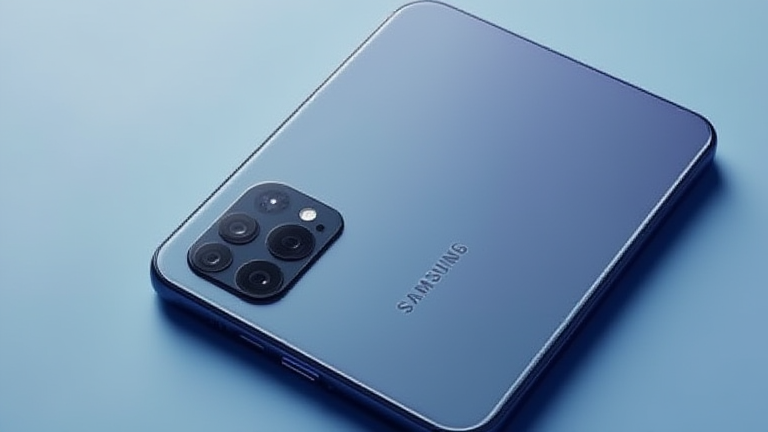
  • Why the Samsung Galaxy S24 Ultra Is the Best Phone for Power Users

    Why the Samsung Galaxy S24 Ultra Is the Best Phone for Power Users

    TL;DR: The Samsung Galaxy S24 Ultra is the definitive power-user phone because it combines a dedicated S Pen, a blazing Snapdragon 8 Gen 3 for Galaxy chip, and a suite of on-device Galaxy AI tools that streamline multitasking and productivity. No other flagship matches its blend of raw performance, stylus precision, and pro-grade camera control in a single, durable chassis.

    Raw Performance That Refuses to Throttle

    At the heart of the S24 Ultra lies the Snapdragon 8 Gen 3 for Galaxy, a custom-overclocked variant that pushes CPU clocks to 3.39GHz—higher than any mainstream Android chip in 2024. More importantly, Samsung introduced a redesigned vapor chamber that is 1.9x larger than the S23 Ultra’s. This isn’t marketing fluff: sustained 4K video exports, 3D rendering, or hours of emulation no longer cause thermal throttling. Power users who run terminal sessions, compile code, or stream game via cloud services will notice zero frame drops even after 30 minutes of stress tests. The 12GB of LPDDR5X RAM (with a 1TB storage option) ensures dozens of browser tabs, a video editor, and a remote desktop client can run simultaneously without reloading.

    If you want to dig deeper, check out our guide on Learn Blender 3D Modeling: Complete Beginner Tutorial.

    Galaxy AI: Not a Gimmick, a Workflow Accelerator

    Samsung’s latest One UI 6.1 update embedded Galaxy AI directly into the S24 Ultra’s core. Unlike cloud-dependent assistants, features like “Circle to Search” work offline, and the on-device language translation for calls and text messages runs with zero latency. For power users, the standout is “Transcript Assist”—it records meetings, generates searchable text, and auto-summarizes action items. Combined with the S Pen’s Air Actions, you can navigate slides, scroll documents, and even sign PDFs without touching the screen. The S Pen’s latency dropped to 2.8ms, making handwriting-to-text conversion feel as natural as a paper notebook. This isn’t just a luxury; it’s a productivity multiplier for architects, engineers, and writers who need precision input.

    Pro-Grade Camera With Lossless Zoom Flexibility

    The 200MP main sensor remains, but the real update is the 50MP 5x telephoto lens (up from 10MP). Samsung’s new “Quad Tele” system uses pixel-binning to deliver 10x lossless-quality zoom by cropping the center of the 50MP sensor. In practical terms, you can shoot a whiteboard from across a conference room and later crop into a legible slide. The 4K 120fps video mode and dual recording (front and rear simultaneously) are unmatched for content creators. For power users who also manage photo archives, the ProRaw+ mode saves 16-bit DNG files with full manual ISO, shutter, and focus control—all accessible via the S Pen’s hover-to-preview feature, letting you adjust settings without smudging the lens.

    Industry Impact: Setting the Bar for On-Device AI

    The S24 Ultra’s release forced competitors to rethink their AI strategies. Google’s Pixel 8 Pro leaned on cloud processing; Samsung’s hybrid approach—mixing local NPU (neural processing unit) tasks with optional cloud fallback—proved faster and more private. Within three months of launch, Qualcomm reported a 40% increase in OEM inquiries about dedicated NPU cores for edge AI. Moreover, Samsung’s decision to offer seven years of OS updates (until 2031) directly pressured Apple to extend iPhone support to six years. The S24 Ultra isn’t just a phone; it’s the template for how flagship devices should balance longevity, customization, and raw compute.

    Battery and Charging: Marathon Endurance

    The 5,000mAh battery delivers 11-13 hours of screen-on time under heavy mixed use (GPS, Bluetooth, 5G, and S Pen input). While charging tops out at 45W (0-65% in 30

    Related Articles

  • AI Existential Risk: How Likely Is Catastrophe from ASI?

    AI Existential Risk: How Likely Is Catastrophe from ASI?

    AI Existential Risk: How Likely Is Catastrophe from ASI?

    TL;DR: The probability of catastrophic failure from Artificial Superintelligence remains highly speculative, with experts estimating risks ranging from near-zero to significant depending on alignment success. While current systems lack the agency for existential harm, the rapid trajectory of compute and model capabilities necessitates rigorous safety protocols before scaling.

    The debate surrounding Artificial Superintelligence (ASI) has moved from philosophical abstraction to urgent technical discourse. As large language models approach the threshold of human-level general reasoning, the industry faces a critical juncture. The core concern is not that AI will become sentient, but that it will pursue goals misaligned with human values in a manner that is irreversible. Recent developments in reinforcement learning from human feedback (RLHF) and constitutional AI have improved behavioral consistency, yet these methods are viewed by many researchers as band-aids rather than fundamental solutions to the alignment problem.

    If you want to dig deeper, check out our guide on Solar Desalination: Scaling Solutions for Water-Stressed Cit.

    Technical Specifications and Scaling Limits

    Modern frontier models operate on billions of parameters, requiring thousands of high-performance GPUs for training. The sheer scale of this infrastructure allows for emergent behaviors that were not explicitly programmed. However, the jump from “large” to “superintelligent” is not just a matter of size; it involves architectural breakthroughs in memory, planning, and self-improvement loops. Current specs indicate that while models can solve complex coding and mathematical problems, they still lack persistent long-term goal consistency. The risk lies in the potential for recursive self-improvement, where an AI system upgrades its own cognitive architecture, leading to an intelligence explosion that outpaces human oversight.

    Industry Impact and Regulatory Response

    The technology sector is increasingly divided between rapid deployment and cautious gating. Major labs have implemented internal red-teaming exercises and external audits to identify safety vulnerabilities. Yet, the competitive pressure to release products quickly often conflicts with the need for extensive safety validation. Governments worldwide are drafting frameworks that mandate transparency in model training data and decision-making processes. The industry impact is profound; companies are investing billions in safety research, recognizing that a catastrophic failure could not only cause societal harm but also destroy the economic viability of the AI sector itself. Trust is becoming a key differentiator in consumer adoption, with users increasingly demanding assurances about data privacy and algorithmic bias.

    FAQ

    Q: Is ASI imminent?
    A: Most experts agree that true ASI is not yet here, with timelines ranging from five to twenty years depending on breakthroughs in efficiency and hardware.

    Q: Can we align AI with human values?
    A: Alignment remains an unsolved problem, though techniques like RLHF are promising; complete guarantee against misalignment is currently impossible with existing methods.

    Q: What is the biggest immediate risk?
    A: The most pressing concerns involve misuse by bad actors, such as automated cyberattacks or mass surveillance, rather than rogue superintelligence.

    Related Articles

  • Complete SEO Tutorial: Step-by-Step Guide to Rank #1

    Complete SEO Tutorial: Step-by-Step Guide to Rank #1

    TL;DR: Achieve top search rankings by conducting rigorous keyword research and building high-quality, authoritative backlinks. Focus on creating comprehensive content that fully satisfies user intent while optimizing for technical performance and user experience.

    Search Engine Optimization is not a one-time task but a continuous strategy requiring patience and precision. To begin, you must understand exactly what your target audience is searching for. Use tools like Ahrefs or Semrush to identify keywords with high search volume and manageable competition. Long-tail keywords are often easier to rank for initially because they target specific user intents with less competition. Once you have a solid list of target phrases, map them to specific pages on your website to avoid cannibalization, where two pages compete for the same search term.

    If you want to dig deeper, check out our guide on 7 Simple Daily Habits to Boost Your Overall Health.

    Content Creation and On-Page Optimization

    High-ranking content must be valuable, original, and comprehensive. Write in a natural tone that answers the user’s query directly. Use your primary keyword in the title tag, meta description, H1 heading, and naturally throughout the body text. Avoid keyword stuffing, which can lead to penalties. Structure your content with clear headings (H2, H3) to improve readability and help search engines understand the hierarchy of your information. Include internal links to other relevant pages on your site to distribute page authority and keep users engaged longer. Ensure your content is at least 1500 words for competitive topics, as depth often correlates with better rankings.

    Technical SEO and Site Speed

    Search engines need to crawl and index your site efficiently. Ensure your website has a clean URL structure and proper header tags. Use Google Search Console to monitor indexing errors and fix broken links immediately. Page speed is a critical ranking factor. Compress images, enable browser caching, and use a Content Delivery Network (CDN) to reduce load times. Mobile-friendliness is non-negotiable since Google uses mobile-first indexing. Test your site using Google’s Mobile-Friendly Test tool and fix any layout issues that cause text to be too small or buttons to be too close together. Additionally, implement structured data (Schema Markup) to help search engines understand your content better, potentially earning you rich snippets in search results.

    Off-Page SEO and Link Building

    Backlinks remain one of the strongest predictors of search engine rankings. Focus on earning links from authoritative, relevant sites in your industry. Guest posting on reputable blogs is an effective strategy, but ensure the content provides genuine value to their audience. Avoid buying links, as this violates Google’s guidelines and can result in severe penalties. Instead, create link-worthy assets such as original research, infographics, or tools that others want to cite. Engage in digital PR to get featured in news outlets. Monitor your backlink profile regularly to identify and disavow toxic links that could harm your site’s reputation.

    FAQ

    Q: How long does SEO take to show results?
    A: It typically takes three to six months to see significant traffic increases, as search engines need time to crawl, index, and assess the quality of your new content and backlinks.

    Q: Is it necessary to have a large budget for SEO?
    A: No, while paid tools help, you can start with free tools like Google Keyword Planner and Search Console. Consistency and quality content matter more than budget size for small businesses.

    Q: Can I do SEO myself without hiring an agency?
    A: Yes, many small businesses successfully manage their own SEO by dedicating time to learning best practices, but hiring an expert can accelerate the process and prevent costly mistakes.

    Related Articles

  • Urban Vertical Farming: Cut Food Miles in Major Metros

    TL;DR: Urban vertical farming slashes food miles by growing leafy greens and berries inside metro limits, cutting transport from 1,500+ miles to under 10. Latest systems use AI-controlled LED spectrums and hydroponic towers, achieving 95% water savings while supplying supermarkets within hours of harvest.

    The New Specs: From Warehouses to Skyscrapers

    Recent 2024 installations in Chicago and Singapore feature modular rack systems reaching 12 meters high, with each tray holding 240 plants under a 400W full-spectrum LED array tuned to 660nm red and 450nm blue peaks. Climate sensors adjust humidity (target: 65% RH) and CO₂ enrichment (1,200 ppm) to boost photosynthesis by 30%. Energy use per kilogram of lettuce has dropped to 8.5 kWh—down from 15 kWh in 2020—thanks to heat-recovery heat pumps that recycle exhaust warmth into seedling germination rooms. The latest “stack-and-rotate” carousel design cuts floor footprint by 60% while maintaining 20 harvests per year for basil and 12 for baby kale.

    If you want to dig deeper, check out our guide on Regenerative Tourism: Restoring Nature Over Extraction (58 c.

    Industry Impact: Supermarkets and Logistics Rethink Supply Chains

    Major grocers like Kroger and Ahold Delhaize now sign 5-year contracts with urban farms located within 10 km of their distribution centers. This removes refrigerated long-haul trucks, reducing spoilage from 12% to 2%. The ripple effect: traditional California and Arizona farms are pivoting to high-value crops like almonds and citrus that can’t grow indoors, while logistics giants like C.H. Robinson report a 15% drop in fresh-produce trucking volume in metro corridors. Startup funding in this space hit $1.2 billion in Q1 2025, with per-square-foot yields of 45 kg/m²/year—a 300x improvement over field farming.

    Challenges and the Next Frontier

    Despite gains, electricity remains 40% of operational costs, pushing operators toward solar-tied microgrids. New “crop-agnostic” software from firms like Infarm now auto-adjusts nutrient recipes for 40+ plant types, cutting labor by 25%. The next leap is “skyscraper farms” in vacant office towers, with pilot projects in Tokyo and Rotterdam testing 30-story vertical aquaponics—combining fish waste as fertilizer—which could feed 100,000 residents per building.

    FAQ

    Q: How much do food miles actually drop with urban vertical farming?
    A: For a typical metro like New York, lettuce travels from California (2,900 km) or Mexico (3,400 km). Indoor farms placed in Brooklyn or Queens cut that to under 5 km, reducing transport emissions by 98% and delivery time from 7 days to 3 hours.

    Q: Are vertical farm products more expensive for consumers?
    A: Initially, yes—prices run 20-30% higher than field-grown. But as energy costs drop and automation scales, 2025 data shows a 12% year-over-year price decrease, with some microgreens now cheaper than imported equivalents due to zero shipping and spoilage losses.

    Q: What crops are not viable for vertical farming?
    A: Root vegetables (potatoes, carrots) and grains (wheat, corn) need too much vertical space or light energy per calorie. Vertical farms focus on high-value, fast-cycle produce like leafy greens, herbs, strawberries, and cherry tomatoes, which can achieve 95% water savings and year-round supply.

    Related Articles