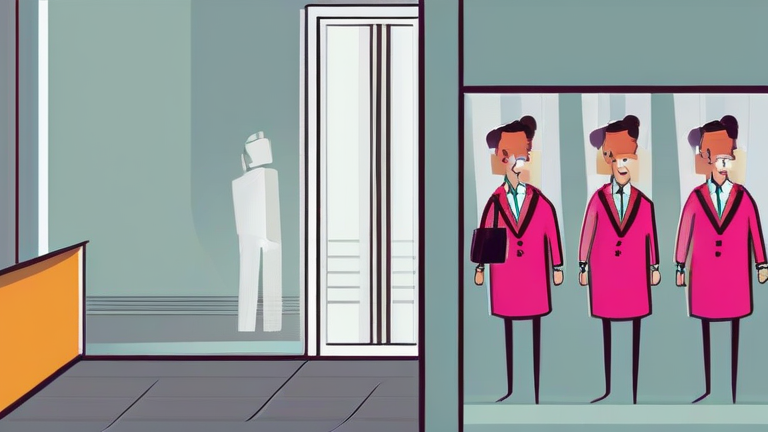
TL;DR: AI floods the information ecosystem with plausible but shallow content, making it impossible for laypeople to distinguish genuine expertise from synthetic mimicry. This “expertise recession” occurs because people lose trust in *all* authorities when they can’t verify who—or what—actually knows more than they do.
Step 1: Recognize the “Plausibility Trap”
AI generates confident, well-structured answers on any topic, from medicine to law. The trap: it sounds expert but lacks accountability, peer review, or lived experience. When users encounter this, they begin to suspect that human experts are equally replaceable or flawed. To counter this, always ask: “What evidence backs this claim, and who is accountable for errors?” If the answer is “an algorithm,” treat it as a hypothesis, not a verdict.
If you want to dig deeper, check out our guide on Why Solid Wood Desks Are Replacing Plastic at Home.
Step 2: Audit Your Own Information Diet
Track where you get your facts for one week. If more than 50% comes from AI chatbots or AI-curated feeds, you’re training your brain to accept fluency over verification. Replace one daily AI query with a primary source: a peer-reviewed paper, a government report, or a licensed professional’s direct consultation. This rebuilds your “trust muscle” for human expertise.
Step 3: Demand “Epistemic Hygiene” from Content Creators
When you read an article or watch a video, check if the author cites specific studies, names institutions, or discloses conflicts of interest. AI-generated content rarely does this—it synthesizes without sourcing. If a piece lacks verifiable references, flag it as “synthetic noise.” Encourage platforms to label AI-generated text, just as they label deepfakes.
Step 4: Practice “Calibrated Skepticism”
Distrust experts not because they’re wrong, but because you haven’t tested their claims. Use AI as a *tool* to generate counterarguments, then ask a human expert to rebut them. This creates a feedback loop where expertise is earned through adversarial testing, not assumed from credentials. If an expert refuses to engage with AI-generated challenges, that’s a red flag—but so is blindly trusting the AI’s challenge.
Step 5: Rebuild Trust via “Micro-Credentials”
In a recession, you need smaller, verifiable units of trust. Instead of “Dr. Smith, cardiologist,” seek “Dr. Smith’s 2024 systematic review on beta-blockers, validated by two independent labs.” Break expertise into testable fragments. For yourself, become a “citizen verifier”—take one course on critical reasoning or statistics. The more you can validate claims, the less you’ll rely on fuzzy authority.
Step 6: Institutionalize “Human-in-the-Loop” Norms
Push for policies where AI drafts but humans sign off—in journalism, healthcare, and law. This restores accountability. If a patient reads an AI-generated diagnosis, they should see the doctor’s name and license number attached. If a policy paper is AI-assisted, require a named analyst to defend it in a public Q&A. This makes expertise visible again, even in a synthetic world.
FAQ
Q: Isn’t AI actually making experts more accessible?
A: Yes, but accessibility without verification breeds cynicism. When anyone can produce expert-sounding text, the value of expertise drops—unless you tie it to verifiable actions and consequences.
Q: Can I trust AI for quick facts, like historical dates?
A: For static, factual data, AI is fine—but even then, cross-check with a single credible source. The recession hits when AI answers *interpretive* questions (e.g., “Is this treatment safe?”) where nuance and context are critical.
Q: What’s the single best way to restore trust in experts?
A: Make experts show their work in real time. Live-stream a surgeon’s pre-op reasoning
Leave a Reply