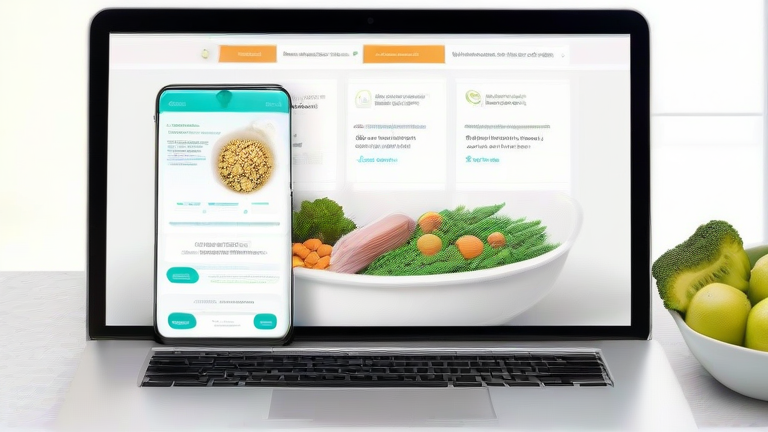
TL;DR: Personalized nutrition is revolutionizing health by leveraging real-time microbiome data to tailor dietary recommendations specifically to an individual’s unique gut ecosystem. This shift from generic advice to precision medicine enhances metabolic health, reduces chronic disease risks, and optimizes overall well-being through continuous biological monitoring.
The Rise of Precision Gut Health

The global personalized nutrition market is undergoing a paradigm shift, driven by the realization that one-size-fits-all dietary guidelines are scientifically outdated. Recent industry reports indicate that the market for microbiome-based diagnostics is projected to reach $1.5 billion by 2027, growing at a compound annual growth rate of 12.4%. This surge is fueled by advancements in next-generation sequencing technologies and the increasing consumer demand for proactive health management. Unlike traditional blood tests that provide a static snapshot, real-time microbiome analysis offers a dynamic view of gut health, allowing for immediate dietary adjustments. Experts emphasize that the gut microbiome plays a critical role in immune function, mental health, and metabolic regulation. By analyzing specific bacterial strains and their metabolic outputs, nutritionists can identify sensitivities to certain carbohydrates or fats that standard tests might miss. This level of granularity enables the creation of highly specific meal plans that not only support digestive health but also target broader systemic issues like inflammation and insulin resistance. Leading researchers argue that this data-driven approach transforms nutrition from a reactive practice into a preventive strategy, empowering individuals to make informed choices based on their unique biological makeup rather than societal norms.
Future Predictions
Looking ahead, the integration of artificial intelligence with microbiome data will likely streamline the interpretation of complex biological signals. Future platforms may offer real-time feedback via wearable devices, suggesting immediate food choices based on current gut activity. As regulatory frameworks evolve to accommodate these novel health tools, accessibility will improve, making precision nutrition a standard component of preventative healthcare. The convergence of biotechnology, data science, and consumer wellness promises a future where dietary interventions are as personalized as genetic profiles, ultimately leading to more effective disease prevention and enhanced quality of life for millions worldwide.
FAQ
Q: How often should I test my microbiome?
A: For accurate real-time insights, testing every three to six months is recommended, as dietary and lifestyle changes significantly influence gut composition over time.
If you want to dig deeper, check out our guide on Sustainable Fashion: New Legal Requirement for Brands.
Q: Is microbiome testing covered by insurance?
A: Currently, most insurance plans do not cover direct-to-consumer microbiome tests, though some may reimburse for related diagnostic procedures if prescribed by a physician.
Q: Can microbiome data predict disease risk?
A: While it cannot definitively diagnose diseases, specific microbial signatures are strongly correlated with conditions like type 2 diabetes and IBD, offering early warning indicators.
Leave a Reply