TL;DR: Digital twin technology optimizes smart city traffic by creating real-time virtual replicas of urban infrastructure, allowing for predictive modeling and dynamic signal adjustments. This reduces congestion, lowers vehicle emissions, and significantly improves public health outcomes by minimizing stress and exposure to pollution.
The Health Impact of Smoother Streets

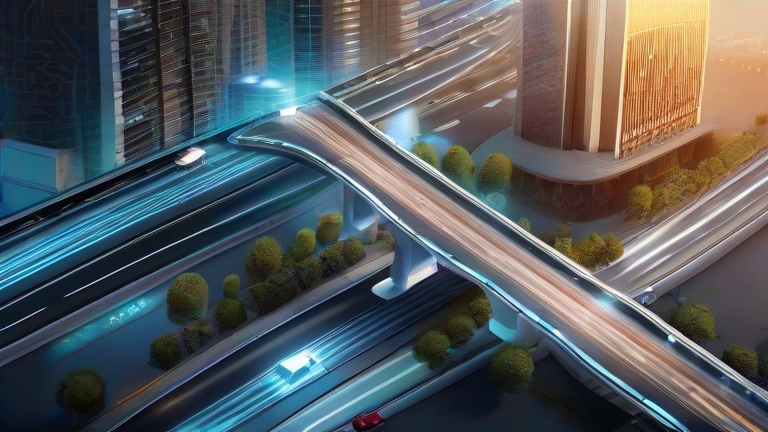
Imagine a city where traffic lights adapt instantly to congestion, where emergency vehicles have green corridors, and where air quality improves because idling cars are minimized. This is not science fiction; it is the reality powered by Digital Twin technology. By mirroring physical infrastructure in a virtual environment, city planners can simulate traffic scenarios before implementing changes on the ground. The result is a more efficient flow of vehicles that directly benefits your physical and mental well-being.
From a health perspective, reduced traffic congestion means less time spent sitting in gridlock. Studies consistently link prolonged commutes to increased cortisol levels, anxiety, and cardiovascular strain. By optimizing traffic light timing and rerouting vehicles through machine learning algorithms, digital twins reduce idle time at intersections. This directly translates to lower emissions of particulate matter and nitrogen oxides. Cleaner air is crucial for respiratory health, particularly for children and the elderly. Furthermore, less aggressive driving in smoother traffic flows reduces the risk of accidents, lowering the burden on emergency healthcare services.
Lifestyle tip: If your city utilizes smart traffic systems, consider walking or cycling for short trips. With optimized traffic signals, pedestrian crossings are often timed more efficiently, making active commuting safer and more pleasant. This small change boosts your daily step count and reduces stress levels associated with driving.
FAQ
Q: How does a digital twin actually work for traffic?
A: It uses IoT sensors and cameras to collect real-time data, which is fed into a virtual model that simulates traffic patterns to predict and prevent bottlenecks.
If you want to dig deeper, check out our guide on Ultimate How-To Guide: Step-by-Step Tutorial for Beginners.
Q: Does this technology reduce air pollution?
A: Yes, by minimizing vehicle idling and optimizing routes, it significantly lowers the emission of harmful pollutants like PM2.5 and NO2.
Q: Can individuals benefit from these smart city changes?
A: Absolutely, residents enjoy cleaner air, reduced stress from commuting, fewer accidents, and better access to emergency services.







 Creating an ergonomic workspace is another critical factor. Poor posture and inadequate equipment can lead to chronic pain, affecting long-term health and productivity. Providing stipends for ergonomic equipment demonstrates a commitment to employee well-being. Moreover, mental health support is essential. Remote workers often feel disconnected from their colleagues, leading to feelings of loneliness. Virtual team-building activities and accessible mental health resources can help foster a sense of community. Employers should also respect boundaries by discouraging after-hours communication, allowing employees to fully disconnect and recharge. This not only improves mental health but also enhances overall job satisfaction and retention.