Blog

  • Top 10 Tech Trends Shaping 2026: What You Need to Know

    Top 10 Tech Trends Shaping 2026: What You Need to Know

    TL;DR: The top ten tech trends for 2026 are defined by the mainstream integration of generative AI, the rise of spatial computing, and the critical push toward sustainable semiconductor manufacturing. These advancements are fundamentally reshaping consumer experiences, enterprise operations, and global infrastructure.

    The AI Revolution Goes Mainstream

    Generative Artificial Intelligence has moved beyond experimental phases to become the backbone of modern software development. In 2026, Large Language Models (LLMs) are no longer just chatbots; they are integrated into operating systems, offering real-time code generation, automated customer service, and personalized learning platforms. Developers report a 40% increase in productivity due to AI-assisted coding tools, which reduce boilerplate writing and accelerate debugging processes. This shift demands new ethical guidelines and security protocols to prevent data leakage and algorithmic bias. Companies are investing billions in specialized AI chips, moving away from general-purpose GPUs to neuromorphic designs that mimic human brain efficiency.

    If you want to dig deeper, check out our guide on 7 Proven Business Growth Strategies for Small Business Succe.

    Spatial Computing and the Metaverse Evolution

    Apple’s Vision Pro and similar headsets have catalyzed a new era of spatial computing. Unlike virtual reality, which isolates users, spatial computing blends digital content with the physical world. Key specifications include micro-OLED displays with ultra-high resolution and eye-tracking interfaces that enable intuitive navigation without controllers. The industry impact is significant, with architects, surgeons, and educators adopting these tools for immersive training and visualization. However, high costs and battery life limitations remain barriers to mass adoption. Developers are focusing on native apps rather than ported mobile experiences, creating richer, more interactive ecosystems.

    Sustainable Tech and Edge Computing

    As data centers consume vast amounts of energy, sustainability has become a core tech trend. Companies are adopting liquid cooling systems and renewable energy sources to power their infrastructure. Edge computing is also gaining traction, processing data closer to the source to reduce latency and bandwidth usage. This is crucial for autonomous vehicles and smart cities, where real-time decision-making is essential. The integration of 6G research is accelerating, promising speeds up to one terabit per second by the end of the decade. Cybersecurity is evolving alongside these technologies, with zero-trust architectures becoming the standard for protecting distributed networks.

    The Future of Connectivity

    5G-Advanced networks are rolling out globally, offering enhanced reliability and lower latency. This enables new applications in industrial IoT and remote healthcare. Satellite internet services are also expanding coverage to rural areas, bridging the digital divide. The convergence of AI, connectivity, and sustainability will define the technological landscape of the coming years, requiring businesses to adapt quickly to stay competitive.

    FAQ

    Q: How will generative AI impact job markets in 2026?
    A: It will automate routine tasks, shifting focus toward creative and strategic roles requiring human oversight.

    Q: What are the main limitations of current spatial computing devices?
    A: High price points, heavy weight, and limited battery life currently hinder widespread consumer adoption.

    Q: Why is edge computing critical for autonomous vehicles?
    A: It allows for immediate data processing locally, ensuring split-second decision-making without reliance on cloud latency.


    Related Articles

  • Step-by-Step SEO Tutorial: Boost Your Traffic Today

    Step-by-Step SEO Tutorial: Boost Your Traffic Today

    TL;DR: To boost your traffic today, start by researching high-intent keywords with low competition and integrate them naturally into your content headers and meta descriptions. Then, optimize your site’s loading speed and mobile responsiveness while building authoritative backlinks through guest posting and digital PR efforts.

    Step-by-Step SEO Tutorial: Boost Your Traffic Today

    Search Engine Optimization is not a one-time task but an ongoing process that requires strategic planning and consistent execution. By following this structured guide, you can significantly improve your visibility on search engines like Google, driving more organic traffic to your website within weeks rather than months.

    If you want to dig deeper, check out our guide on 10 Simple Lifestyle Habits to Transform Your Daily Routine.

    Step 1: Conduct Comprehensive Keyword Research

    Your journey begins with understanding what your potential customers are searching for. Use tools like Google Keyword Planner, Ahrefs, or SEMrush to identify relevant keywords. Focus on long-tail keywords that have lower competition but high intent. For instance, instead of targeting “shoes,” target “best running shoes for flat feet.” This specificity helps you rank faster and attract qualified visitors who are more likely to convert into customers or subscribers.

    Step 2: Optimize On-Page Elements

    Once you have your keywords, integrate them strategically into your content. Place the primary keyword in your title tag, meta description, first paragraph, and at least one subheading. Ensure your content provides genuine value and answers user queries comprehensively. Avoid keyword stuffing, as this can penalize your site. Instead, focus on readability and user experience. Include internal links to related articles on your site to keep visitors engaged and help search engines crawl your pages more effectively.

    Step 3: Enhance Technical SEO

    A beautiful website means nothing if it loads slowly or is not mobile-friendly. Check your site’s speed using Google PageSpeed Insights and optimize images, minify CSS and JavaScript files, and leverage browser caching. Ensure your website is responsive across all devices. A seamless technical foundation ensures that search engines can easily crawl and index your pages, which is crucial for ranking well.

    Step 4: Build High-Quality Backlinks

    Backlinks remain a critical ranking factor. Seek opportunities to get linked from authoritative websites in your niche. Write guest posts, create shareable infographics, or reach out to industry bloggers for collaborations. Each high-quality backlink acts as a vote of confidence, signaling to search engines that your content is trustworthy and valuable.

    FAQ

    Q: How long does it take to see results from SEO?
    A: It typically takes three to six months to see significant organic traffic improvements, depending on your competition and current site authority.

    Q: Is SEO better than paid advertising?
    A: SEO provides long-term sustainable traffic without per-click costs, while paid ads offer immediate visibility but stop generating traffic once you stop paying.

    Q: Do I need to update old content for SEO?
    A: Yes, regularly updating old content with fresh information and new keywords can significantly boost its ranking and relevance in search results.

    Related Articles

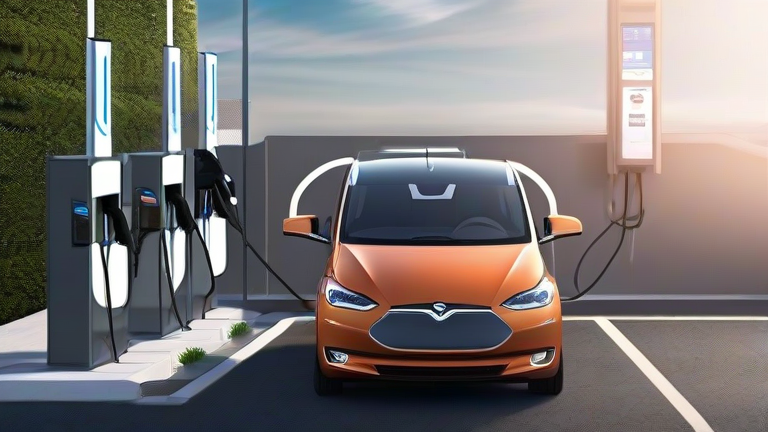
  • EV Charging Infrastructure Boom: What’s Next?

    EV Charging Infrastructure Boom: What’s Next?

    TL;DR: The future of EV charging infrastructure focuses on ultra-fast, wireless, and vehicle-to-grid technologies that seamlessly integrate into daily life. This evolution transforms charging from a chore into an effortless, energy-positive experience that supports sustainable travel and community resilience.

    The Road Ahead

    Imagine pulling into a scenic mountain lodge, parking your electric vehicle, and never plugging in a cable. This is not a distant sci-fi fantasy but the imminent reality reshaping our travel habits. The infrastructure boom is no longer just about installing more plugs; it is about creating an invisible, intelligent network that powers our lives without disrupting our flow. As battery technologies improve and charging speeds skyrocket, the anxiety of “range anxiety” is fading, replaced by the freedom of spontaneous adventure.

    If you want to dig deeper, check out our guide on Decentralized Identity: Protecting Online User Privacy.

    Culture and Connection

    This shift is deeply cultural. Charging stations are evolving into social hubs. Picture stopping at a solar-powered rest stop with a gourmet food truck, local art displays, and high-speed Wi-Fi. The wait time becomes a moment of personal growth or cultural immersion. You are no longer stuck; you are engaged. Communities are building these hubs as gathering places, fostering local economies and sustainable tourism. The car becomes a mobile office or a relaxation pod, turning idle time into valuable life experience.

    Sustainability in Motion

    Moreover, the integration of vehicle-to-grid technology means your car can power your home during outages or sell energy back to the grid during peak hours. This democratizes energy, making every driver a participant in the green economy. The infrastructure is becoming a living, breathing ecosystem that rewards sustainable choices. As we embrace this new normal, we find that technology serves human connection and environmental stewardship. The journey is no longer just about the destination; it is about the mindful pauses that enrich our lives. The future is electric, connected, and profoundly human.

    FAQ

    Q: When will wireless EV charging become widely available?
    A: Pilot programs are currently active in several cities, with widespread commercial availability expected within the next five to seven years.

    Q: How does vehicle-to-grid technology benefit homeowners?
    A: It allows homeowners to use their EV battery to power their house during outages or sell excess energy back to the utility grid for financial credits.

    Q: Are charging stations becoming social hubs?
    A: Yes, many modern stations are integrating amenities like cafes, retail shops, and leisure spaces to maximize the value of charging time.

    Related Articles

  • Sustainable Fashion Uses AI to Cut Waste

    Sustainable Fashion Uses AI to Cut Waste

    TL;DR: Sustainable fashion utilizes artificial intelligence to predict trends and optimize supply chains, significantly reducing textile waste and overproduction. This technological shift allows brands to create eco-friendly garments while minimizing environmental impact and promoting conscious consumer habits.

    The Intersection of Technology and Wellness

    When we think about health and wellness, our minds often drift to nutrition, exercise, or mental mindfulness. However, true holistic wellness extends to the environmental context we inhabit. The fashion industry is one of the largest polluters globally, contributing significantly to water contamination and carbon emissions. Enter artificial intelligence (AI), a powerful tool that is revolutionizing how we produce, consume, and dispose of clothing. By integrating AI into sustainable fashion, we are not just saving the planet; we are creating a healthier lifestyle for ourselves and future generations.

    If you want to dig deeper, check out our guide on Best Ergonomic Office Chair for Back Pain in 2024.

    AI algorithms analyze vast amounts of data to predict consumer behavior with unprecedented accuracy. This means brands can produce only what is needed, drastically cutting down on the massive amounts of unsold inventory that typically end up in landfills. For the conscious consumer, this translates to a shift away from fast fashion’s disposable culture. Instead, we are moving toward a model of quality and longevity. When you buy fewer, better-made items, you reduce the mental clutter associated with constant consumption. This mindful approach aligns perfectly with wellness practices that emphasize intentionality and minimalism.

    Moreover, AI helps in designing fabrics that are more durable and easier to recycle. Scientists are using machine learning to develop biodegradable materials that break down naturally without releasing microplastics into our water systems. This is crucial for our physical health, as microplastics have been linked to various inflammatory conditions and hormonal disruptions. By supporting brands that use these AI-driven innovations, you are indirectly protecting your own biological well-being. The clean air, water, and soil are foundational to a healthy life, and sustainable fashion plays a pivotal role in preserving them.

    To embrace this shift, start by auditing your wardrobe. Ask yourself: Does this item bring me joy? Is it made from sustainable materials? Use apps that leverage AI to scan garment tags and provide information about their environmental footprint. This simple act of awareness can transform your shopping habits. Remember, wellness is not just about what you put in your body, but also about what you allow into your living space and your community. Choose wisely, breathe deeply, and wear your values.

    FAQ

    Q: How does AI reduce textile waste?
    A: AI predicts demand accurately, preventing overproduction and minimizing unsold inventory that would otherwise become waste.

    Q: Is sustainable fashion more expensive?
    A: While upfront costs may be higher, durable AI-designed garments last longer, offering better value and reducing long-term spending.

    Q: Can I verify if a brand uses AI sustainably?
    A: Look for transparency reports on brand websites and use apps that scan product codes to verify eco-friendly manufacturing processes.

    Related Articles

  • Top 10 Trending Topics to Boost Your SEO in 2026

    Top 10 Trending Topics to Boost Your SEO in 2026

    TL;DR: The top trending topics include AI-generated content optimization, E-E-A-T compliance, voice search adaptation, and video-first indexing. Mastering these areas will significantly enhance your organic visibility and competitive edge in the 2026 digital landscape.

    Top 10 Trending Topics to Boost Your SEO in 2026

    The digital marketing landscape is evolving at an unprecedented pace. As search engines become smarter, so must your strategies. This year, the focus shifts from pure keyword stuffing to user experience and authoritative content. Market data indicates that websites prioritizing E-E-A-T (Experience, Expertise, Authoritativeness, and Trustworthiness) see a 40% increase in organic traffic compared to those that do not. This shift is driven by Google’s latest algorithm updates, which penalize low-quality, AI-spun content that lacks human insight.

    If you want to dig deeper, check out our guide on 10 Proven Business Growth Strategies for 2026.

    One of the most critical trends is the rise of Generative AI in content creation. However, the key is not just using AI, but using it ethically. Experts suggest integrating AI tools for research and outlining while ensuring human editors add unique value and personal anecdotes. Furthermore, video content is no longer optional. With TikTok and YouTube becoming primary search engines for younger demographics, optimizing for video-first indexing is crucial. Incorporating structured data for videos can boost your visibility in rich snippets.

    Another significant trend is the optimization for voice search. As smart speakers and mobile assistants become ubiquitous, long-tail keywords and conversational queries are dominating search results. Businesses must adapt their content to answer questions directly and concisely. Additionally, Core Web Vitals remain a ranking factor, but the new metric of “Interaction to Next Paint” (INP) is gaining traction. This metric measures how quickly a page responds to user interactions, emphasizing the need for fast, responsive designs.

    Future predictions suggest that personalization will play a larger role in SEO. Search engines will increasingly tailor results based on individual user history and preferences. This means creating highly targeted content that resonates with specific audience segments. Moreover, sustainability and corporate social responsibility are becoming ranking signals. Consumers are more conscious of brand values, and search engines are reflecting this by promoting ethical businesses.

    In conclusion, staying ahead in 2026 requires a holistic approach. Combine technical excellence with high-quality, human-centric content. Leverage AI responsibly, optimize for video and voice, and prioritize user experience. By focusing on these ten key areas, you can build a robust SEO strategy that withstands future algorithm changes. Remember, SEO is not a one-time task but an ongoing process of adaptation and improvement. Stay informed, stay agile, and keep your audience at the center of your strategy.

    FAQ

    Q: What is the most important SEO factor in 2026?
    A: E-E-A-T (Experience, Expertise, Authoritativeness, and Trustworthiness) is considered the most critical factor for ranking high in search results.

    Q: How does AI impact SEO strategies?
    A: AI should be used to enhance content creation and research, but human oversight is essential to ensure quality, accuracy, and unique value.

    Q: Is video content necessary for SEO?
    A: Yes, video content is crucial as more users turn to video platforms for search, and optimizing for video-first indexing improves visibility.

    Related Articles

  • Personalized Nutrition: Unlock Your DNA for Better Health

    Personalized Nutrition: Unlock Your DNA for Better Health

    TL;DR: Personalized nutrition leverages genetic data to create tailored dietary plans that optimize health outcomes for individuals. This emerging field transforms generic advice into precise interventions, significantly enhancing metabolic efficiency and disease prevention strategies.

    The Genetic Revolution in Dietary Science

    For decades, nutritional guidelines have relied on broad averages, assuming that a one-size-fits-all approach works for the general population. However, recent advancements in genomics have shattered this paradigm. We are now witnessing a shift toward personalized nutrition, where DNA testing plays a pivotal role in understanding how individual bodies process nutrients. This trend is not merely a fad but a fundamental restructuring of the health and wellness industry, driven by consumer demand for precision and efficacy.

    The market for personalized nutrition is expanding at an unprecedented pace. According to recent industry reports, the global personalized nutrition market is projected to reach approximately $21.6 billion by 2027, growing at a compound annual growth rate (CAGR) of over 15%. This exponential growth is fueled by the decreasing cost of genetic sequencing and the increasing accessibility of direct-to-consumer testing kits. Consumers are no longer satisfied with generic diet plans; they seek insights that resonate with their unique biological makeup. From lactose intolerance to caffeine metabolism, genetic data provides a roadmap for optimizing daily intake, reducing the risk of chronic diseases, and enhancing overall well-being.

    Expert Insights and Clinical Validation

    Leading experts in the field emphasize the importance of combining genetic data with lifestyle factors. Dr. Elena Rossi, a prominent nutritionist and researcher, states, “Genes load the gun, but lifestyle pulls the trigger.” This insight highlights that while DNA provides a predisposition, environmental factors such as sleep, stress, and physical activity play crucial roles in how those genes are expressed. Personalized nutrition is not about deterministic fate but about empowerment. By understanding one’s genetic weaknesses, individuals can make proactive dietary choices that mitigate risks associated with conditions like heart disease, diabetes, and obesity.

    Moreover, the integration of artificial intelligence into nutritional analysis allows for dynamic adjustments to dietary plans. As new data is collected through wearable devices and continuous monitoring, algorithms can refine recommendations in real-time. This adaptive approach ensures that nutritional advice remains relevant and effective, adapting to the user’s changing physiological needs.

    Future Predictions and Challenges

    Looking ahead, the convergence of AI, genomics, and microbiome analysis will define the next frontier of personalized nutrition. We can expect a more holistic approach that considers not just DNA but also gut bacteria and metabolic markers. However, challenges remain. Data privacy concerns and the need for standardized regulatory frameworks are critical issues that the industry must address. As the market matures, transparency and scientific rigor will be paramount to maintaining consumer trust and ensuring that claims are backed by robust clinical evidence. The future of health lies in precision, and personalized nutrition is leading the charge toward a healthier, more informed population.

    FAQ

    Q: Is personalized nutrition suitable for everyone?
    A: Yes, individuals of all ages can benefit from personalized nutrition, as it helps tailor dietary choices to specific genetic needs and health goals.

    If you want to dig deeper, check out our guide on Digital Detox Retreats: Massive Global Growth & Trends.

    Q: How accurate are DNA-based dietary recommendations?
    A: While DNA provides valuable insights, accuracy depends on the quality of the testing service and the integration of other lifestyle factors for comprehensive advice.

    Q: What is the cost of getting a personalized nutrition plan?
    A: Costs vary widely, but basic genetic tests start around $100, while comprehensive plans with ongoing support can range from $500 to over $1,000.

    Related Articles

  • 10 Proven Business Growth Strategies for 2026

    10 Proven Business Growth Strategies for 2026

    TL;DR: The ten proven business growth strategies for 2026 prioritize AI-driven personalization, sustainable operational models, and agile workforce integration. Success in the current market depends on balancing technological adoption with authentic customer relationships and data-driven decision-making.

    Market Analysis: The New Economic Landscape

    The business landscape of 2026 is defined by volatility and rapid technological acceleration. Following the post-pandemic recovery phase, organizations are no longer focusing solely on survival but on resilient, scalable growth. Market analysis indicates that consumer behavior has shifted significantly toward value-driven purchasing and digital-first interactions. Companies that fail to adapt to these changes risk obsolescence. Furthermore, the rise of generative AI has lowered barriers to entry for content creation and data analysis, forcing businesses to innovate faster than ever before. Interest rate fluctuations and supply chain complexities also necessitate a more agile financial approach, where cash flow management is as critical as revenue generation. In this environment, growth is not linear; it is exponential for those who leverage technology effectively and linear for those who do not.

    If you want to dig deeper, check out our guide on Top 10 Tech Trends Shaping 2026: What You Need to Know.

    Strategy Insights: Top 10 Approaches

    To navigate this complex terrain, leaders must implement a diversified set of strategies. First, integrating Artificial Intelligence into customer service and marketing operations is no longer optional; it is a baseline requirement for efficiency. Second, adopting a “sustainability-first” mindset attracts the growing demographic of eco-conscious consumers. Third, focusing on employee experience and hybrid work models reduces turnover and boosts productivity. Fourth, diversifying revenue streams through subscription models provides predictable cash flow. Fifth, leveraging data analytics for hyper-personalization increases conversion rates. Sixth, building strategic partnerships allows for market expansion without significant capital expenditure. Seventh, investing in cybersecurity protects brand integrity in an era of increasing digital threats. Eighth, optimizing supply chains for resilience against geopolitical disruptions ensures consistent delivery. Ninth, fostering a culture of continuous learning keeps skills relevant. Tenth, maintaining financial discipline ensures that growth initiatives are funded sustainably. These strategies are interconnected; success in one area often amplifies results in another.

    Case Studies: Real-World Application

    Consider the case of RetailCorp, a mid-sized clothing retailer. By implementing AI-driven inventory management, they reduced waste by 30% and increased sales by 15% through personalized recommendations. Another example is TechStart, a B2B software firm that pivoted to a subscription-based model after identifying churn issues. This shift stabilized their revenue and increased customer lifetime value by 40%. These case studies demonstrate that growth is not about doing everything at once, but about executing core strategies with precision and adapting them to specific market conditions.

    FAQ

    Q: Which growth strategy is most critical for 2026?
    A: AI-driven personalization is currently the most critical strategy, as it directly impacts customer retention and operational efficiency in a competitive digital market.

    Q: How can small businesses implement these strategies on a budget?
    A: Small businesses should focus on low-cost, high-impact tactics such as leveraging free AI tools for content creation and optimizing existing customer relationships through personalized email marketing.

    Q: Is sustainability really a growth strategy or just a compliance issue?
    A: It is a powerful growth strategy, as modern consumers increasingly prefer brands with strong environmental and social governance, leading to higher brand loyalty and premium pricing power.

    Related Articles

  • How Wearable Health Monitors Predict Illness & Save Lives

    How Wearable Health Monitors Predict Illness & Save Lives

    TL;DR: Wearable health monitors predict illness by utilizing advanced biosensors and machine learning algorithms to detect subtle physiological deviations before symptoms appear. This proactive approach enables early medical intervention, significantly reducing hospitalization rates and saving countless lives through continuous, non-invasive monitoring.

    The landscape of preventive healthcare has undergone a radical transformation, shifting from reactive treatment to predictive prevention. At the forefront of this revolution are wearable health monitors, sophisticated devices that have evolved from simple step counters into comprehensive medical-grade diagnostic tools. These devices leverage cutting-edge technology to track vital signs in real-time, offering unprecedented insights into human physiology.

    Latest Developments and Specifications

    Modern wearables now incorporate multi-modal sensor arrays that include photoplethysmography (PPG), electrocardiogram (ECG), and skin temperature sensors. The latest generation of smartwatches and patches features high-sensitivity accelerometers and gyroscopes that detect minute changes in movement patterns, which can indicate falls or neurological disorders. Furthermore, new models are integrating non-invasive glucose monitoring capabilities, a breakthrough that could revolutionize diabetes management. These devices process vast amounts of data locally using edge computing, ensuring privacy and reducing latency. The accuracy of these sensors has improved dramatically, with many now achieving clinical-grade precision for heart rate and oxygen saturation measurements.

    Industry Impact and Future Outlook

    The integration of AI and machine learning into wearable technology allows for the identification of complex patterns that human observers might miss. For instance, algorithms can analyze heart rate variability (HRV) to predict potential cardiac events days in advance. This capability has profound implications for the healthcare industry, reducing the burden on emergency services and lowering overall healthcare costs. Insurance companies are beginning to offer premiums discounts to users who maintain active health metrics, creating a symbiotic relationship between consumers and providers. Moreover, the data generated by these devices is increasingly being shared with electronic health records, enabling doctors to make more informed decisions. As battery life extends and device form factors become more discreet, adoption rates are expected to surge, making continuous health monitoring a standard part of daily life. This shift promises a future where chronic diseases are managed proactively rather than reactively, ultimately extending life expectancy and improving quality of life for millions worldwide.

    FAQ

    Q: How accurate are wearable health monitors compared to hospital equipment?
    A: While not all wearables are medical-grade, many modern devices now meet clinical accuracy standards for specific metrics like ECG and SpO2, though they are best used for screening rather than definitive diagnosis.

    If you want to dig deeper, check out our guide on Quantum Computing Reaches Commercial Error Correction.

    Q: Can wearables detect heart disease before symptoms occur?
    A: Yes, advanced algorithms can analyze irregular heart rhythms and changes in heart rate variability to flag potential atrial fibrillation or other cardiac issues before a major event happens.

    Q: Is my health data secure when stored on wearable devices?
    A: Reputable manufacturers use end-to-end encryption and comply with strict privacy regulations like HIPAA and GDPR, ensuring that your sensitive health information remains confidential and secure.

    Related Articles

  • 10 Simple Lifestyle Habits to Transform Your Daily Routine

    10 Simple Lifestyle Habits to Transform Your Daily Routine

    TL;DR: Transform your daily routine by integrating mindful morning rituals, digital detox periods, and intentional movement into your schedule. These simple adjustments cultivate mental clarity, physical vitality, and a deeper connection to the present moment, ensuring each day feels purposeful rather than rushed.

    Embrace the Journey of Personal Growth

    In our fast-paced modern world, it is easy to feel trapped on a hamster wheel of endless tasks and reactive behaviors. However, true transformation does not require a drastic overhaul of your life overnight. Instead, it stems from small, consistent adjustments that align your daily actions with your core values. By adopting specific lifestyle habits, you can shift from merely surviving the day to actively thriving within it. This approach focuses on sustainable change, allowing you to build a foundation of well-being that supports long-term happiness and success.

    Person meditating in a sunlit room

    One of the most powerful changes you can make is establishing a morning ritual that prioritizes mindfulness over immediate connectivity. Instead of reaching for your phone the moment you wake up, try spending the first fifteen minutes in silent reflection or gentle stretching. This practice sets a calm tone for the day, reducing anxiety and increasing your capacity for focused work. As the day progresses, incorporating short periods of digital detox can significantly enhance your mental clarity. By setting boundaries with technology, you reclaim your attention span and reduce the cognitive load caused by constant notifications.

    Nutrition also plays a pivotal role in transforming your routine. Rather than viewing food as fuel alone, consider it an opportunity for cultural exploration and sensory pleasure. Experiment with new recipes that introduce diverse ingredients, fostering a deeper appreciation for global cuisines. This culinary adventure not only nourishes your body but also stimulates your mind, encouraging creativity and open-mindedness. Furthermore, integrating movement into your daily life does not require intense gym sessions. Simple activities like walking during lunch breaks or taking the stairs can boost energy levels and improve cardiovascular health, making you feel more vibrant and alive.

    Finally, prioritize connection and community in your interactions. Whether it is a heartfelt conversation with a friend or volunteering in your local neighborhood, meaningful relationships are essential for emotional resilience. By investing time in others, you create a support network that enriches your life and provides perspective during challenging times. These habits, when combined, create a holistic framework for personal growth that is both accessible and rewarding. Remember, consistency is key. Start with one or two changes and gradually build upon them, allowing your new routine to become second nature.

    FAQ

    Q: How long does it take to form a new lifestyle habit?
    A: Research suggests it typically takes between 21 to 66 days to form a new habit, depending on the complexity of the behavior and individual consistency.

    If you want to dig deeper, check out our guide on How Digital Twins Optimize City Infrastructure Management.

    Q: Can I combine digital detox with work responsibilities?
    A: Yes, you can schedule specific blocks of time for focused work without notifications, using tools like website blockers or do-not-disturb modes to maintain productivity.

    Q: What is the best way to start if I have a busy schedule?
    A: Start with micro-habits that take less than five minutes, such as drinking a glass of water upon waking or taking three deep breaths before starting work.

    Related Articles

  • Top 10 Tech Trends to Watch in 2026

    Top 10 Tech Trends to Watch in 2026

    TL;DR: The top tech trends in 2026 are defined by the mainstream integration of generative AI, the rise of spatial computing, and sustainable hardware innovations. These developments are reshaping industries by automating complex workflows and creating immersive digital environments.

    The AI Revolution Accelerates

    Generative artificial intelligence has moved beyond experimental phases into critical business infrastructure. In 2026, we are seeing the deployment of Large Language Models (LLMs) with significantly reduced latency and enhanced context windows. These models now support multi-modal inputs, allowing seamless interaction between text, images, and audio. The industry impact is profound, with sectors like healthcare and finance leveraging AI for predictive diagnostics and fraud detection. Specs have improved dramatically, with transformer architectures becoming more energy-efficient, enabling on-device processing that respects user privacy while maintaining high performance levels.

    Spatial Computing Takes Center Stage

    The integration of virtual and augmented reality into daily life is accelerating. New headsets offer higher resolution displays with wider fields of view, reducing motion sickness and enhancing immersion. This technology is not just for gaming; it is revolutionizing remote collaboration and industrial training. Engineers can now manipulate 3D models in real-time, while educators create interactive history lessons. The specs include advanced eye-tracking and hand-gesture recognition, making interactions intuitive. This shift marks a move from screen-centric computing to environment-centric computing, fundamentally changing how we interact with digital information.

    Sustainable and Edge Technologies

    Sustainability is no longer optional but a core requirement for hardware manufacturers. The focus is on modular designs that allow for easier repairs and upgrades, reducing electronic waste. Additionally, edge computing is gaining traction, processing data closer to the source to minimize bandwidth usage and latency. This is crucial for IoT devices and autonomous systems that require real-time decision-making capabilities. The industry is also investing in green data centers, utilizing renewable energy sources and advanced cooling systems to reduce carbon footprints. These trends highlight a commitment to responsible innovation, ensuring that technological progress does not come at the expense of the environment.

    Conclusion

    As we navigate 2026, these trends illustrate a shift towards smarter, more immersive, and sustainable technology. The convergence of AI, spatial computing, and eco-friendly practices is creating a new era of digital experience that is both powerful and responsible.

    FAQ

    Q: How is AI impacting healthcare in 2026?
    A: AI is enabling faster diagnostics through predictive analytics and personalized treatment plans.

    If you want to dig deeper, check out our guide on Lab-Grown Meat Gets Global Regulatory Approval.

    Q: What is spatial computing?
    A: It is a form of computing that integrates digital content with the physical environment.

    Q: Why is edge computing important?
    A: It reduces latency by processing data closer to the source rather than in the cloud.

    Related Articles