
TL;DR: Digital twins optimize city infrastructure management by creating dynamic virtual replicas of physical assets, enabling real-time simulation and predictive maintenance. This technology significantly reduces operational costs, enhances public safety, and improves the overall quality of urban life for residents.
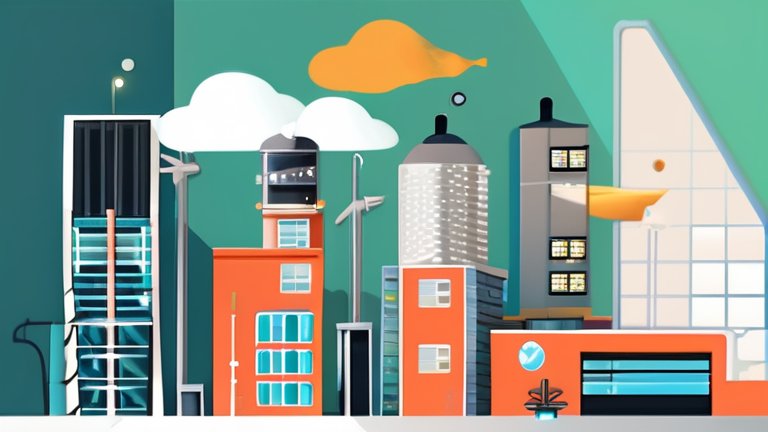
Imagine a city that breathes, thinks, and adapts in real-time. This is not science fiction but the emerging reality of smart urban planning driven by Digital Twins. These virtual models are fed by Internet of Things (IoT) sensors embedded in bridges, roads, power grids, and water systems. By mirroring the physical world with high fidelity, city planners can simulate scenarios before they happen. For instance, they can predict how a heavy storm will impact drainage systems or how traffic patterns will shift during a major event. This proactive approach transforms infrastructure management from reactive repair to preventive care, ensuring that resources are allocated efficiently and effectively.
If you want to dig deeper, check out our guide on Quantum Computing Hits Commercial Viability: What It Means.
The Science of Urban Efficiency
From a scientific perspective, digital twins leverage big data analytics and artificial intelligence to process vast amounts of information. Research indicates that cities implementing these systems see a reduction in energy consumption by up to 20%. This efficiency stems from optimized traffic flow, which reduces idling time for vehicles, thereby lowering emissions. Furthermore, predictive maintenance allows engineers to fix issues like water pipe leaks or structural cracks before they become catastrophic failures. This not only saves money but also minimizes the disruption to daily life, contributing to a more stable and reliable urban environment.
Lifestyle Tips for a Smarter Life
As cities become smarter, residents can benefit from these advancements in their daily routines. First, utilize real-time transit apps that draw data from digital twin models to choose the fastest and most eco-friendly routes. This simple action reduces your carbon footprint and saves time. Second, stay informed about local infrastructure updates. Many cities now publish open data dashboards, allowing citizens to monitor air quality, noise levels, and energy usage in their neighborhoods. Engaging with this data encourages community involvement and promotes healthier living choices. Finally, advocate for sustainable urban policies. Support initiatives that invest in smart infrastructure, as these investments directly correlate with improved public health outcomes, such as cleaner air and safer pedestrian zones. By embracing technology and staying informed, you contribute to a healthier, more resilient community.
FAQ
Q: What is a digital twin in urban planning?
A: It is a virtual replica of a physical city or its components, updated in real-time with data from sensors to simulate and analyze performance.
Q: How do digital twins improve public health?
A: They optimize traffic and energy use, reducing pollution and noise, while enabling rapid response to environmental hazards like floods or heatwaves.
Q: Are digital twins expensive to implement?
A: While initial costs are high, long-term savings from predictive maintenance and resource optimization often outweigh the investment within a few years.
Leave a Reply