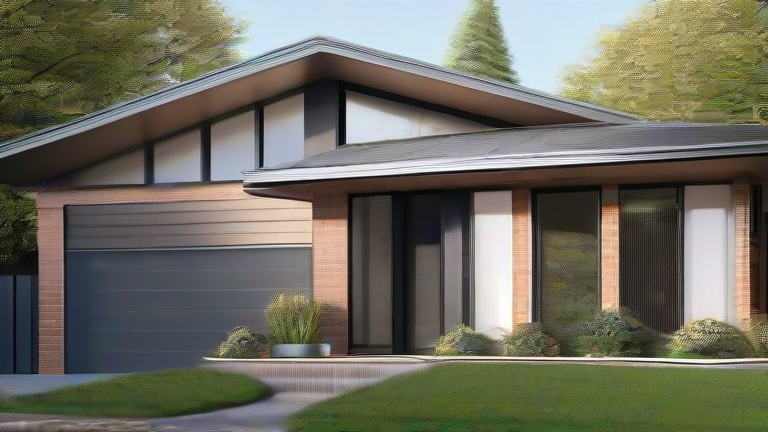
Metaverse Real Estate: Shifting to Utility-Based Value
The digital frontier of virtual land has evolved rapidly from a speculative mania into a more mature ecosystem. While early adopters focused on flipping plots for quick profits, the current landscape demands a shift toward utility-based value. This transition is not just about economic sustainability; it profoundly impacts our psychological well-being and digital lifestyle habits. Understanding this shift is crucial for anyone looking to maintain mental balance in an increasingly virtual world.

Recent studies in digital psychology suggest that engaging with purposeful virtual environments can reduce anxiety and enhance social connectivity. When virtual land serves a functional purpose—such as hosting mindfulness sessions, collaborative workspaces, or creative studios—it transforms from a static asset into a dynamic tool for wellness. This aligns with the scientific concept of “environmental psychology,” where our surroundings directly influence our cognitive functions and emotional states. By focusing on utility, users create spaces that support, rather than distract from, their mental health goals.
If you want to dig deeper, check out our guide on Space Tourism Shifts: From Luxury to Mid-Tier Market.
From a lifestyle perspective, integrating utility-based virtual real estate encourages healthier digital habits. Instead of mindlessly scrolling through empty digital landscapes, users are compelled to engage actively. For instance, a virtual plot designated for yoga or meditation can serve as a digital sanctuary. This practice mirrors the benefits of physical nature exposure, promoting relaxation and reducing cortisol levels. Research indicates that immersive experiences, when designed with intentionality, can trigger the same parasympathetic nervous system responses as physical nature walks.
To maximize the health benefits of your virtual investments, consider the following science-backed advice. First, prioritize connectivity. Virtual spaces that facilitate meaningful human interaction combat loneliness, a significant risk factor for chronic health issues. Choose platforms that encourage collaboration and community building. Second, focus on sensory design. Even in a digital realm, aesthetics matter. Incorporating calming colors, natural sounds, and open layouts can enhance focus and reduce mental fatigue. Third, set clear boundaries. Define specific times for engaging with your virtual spaces to prevent digital burnout. Treat your virtual property as a resource for growth, not just a status symbol.
Embracing utility-based value in the metaverse is a strategic move for both financial and personal well-being. It shifts the narrative
Leave a Reply