
Boost Mental Health With Personalized AI Apps
The landscape of digital wellness is undergoing a seismic shift. For years, mental health applications relied on static, one-size-fits-all protocols, often failing to address the nuanced realities of individual psychological states. Today, however, a new generation of artificial intelligence-driven platforms is redefining care. These sophisticated tools do not merely track mood; they actively learn, adapt, and predict, offering a level of personalized support that was previously impossible. This evolution represents more than just a technological upgrade; it signifies a fundamental change in how society approaches psychological well-being, moving from reactive crisis management to proactive, continuous care.
Latest Developments in Adaptive AI
The core innovation behind these new applications lies in advanced natural language processing (NLP) and predictive behavioral modeling. Unlike previous iterations that required manual input, modern AI assistants analyze micro-patterns in user behavior. This includes typing speed, response latency, and even subtle shifts in sentence structure. By processing this data in real-time, the algorithms can detect early signs of anxiety or depressive episodes before the user consciously recognizes them. Recent breakthroughs in transformer-based models have significantly improved the accuracy of these emotional cues, allowing the AI to distinguish between fleeting stress and deeper, chronic issues with remarkable precision.
If you want to dig deeper, check out our guide on Global Sustainable Aviation Fuel Mandates Take Effect.
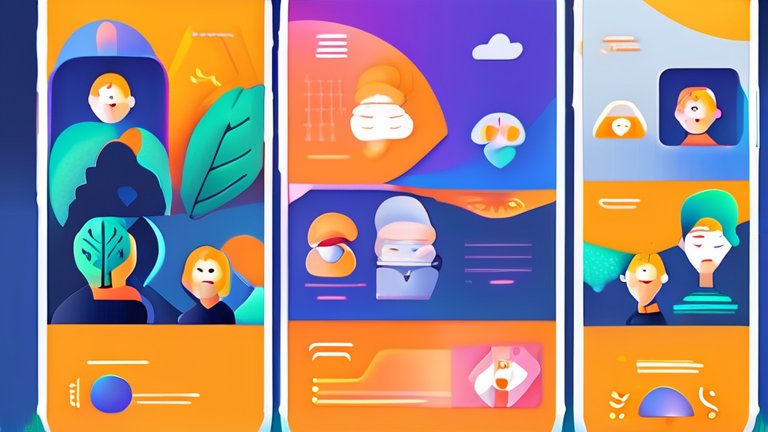
Furthermore, the integration of multimodal learning has expanded the scope of these tools. They now analyze voice tonality and facial expressions through secure, on-device cameras, providing a holistic view of the user’s emotional state. This comprehensive data aggregation allows for truly dynamic intervention strategies. If an algorithm detects rising agitation, it might immediately suggest a grounding exercise, modify the user’s daily schedule to reduce cognitive load, or gently suggest contacting a human therapist. This seamless loop of detection and response creates a safety net that is both invisible and incredibly effective.
Industry Impact and Future Outlook
The implications for the healthcare industry are profound. By democratizing access to personalized mental health support, these AI apps are alleviating the burden on traditional healthcare systems. They serve as effective triage tools, ensuring that human therapists can focus their expertise on complex cases rather than routine monitoring
Leave a Reply