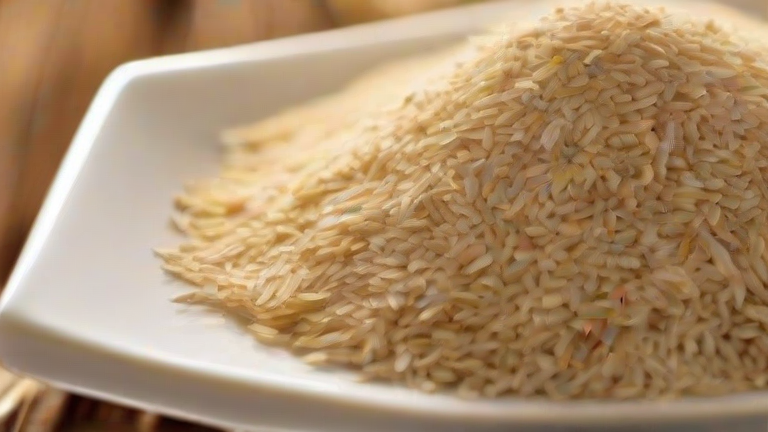
TL;DR: No, psyllium husk is not “nature’s Ozempic” because it lacks GLP-1 agonist properties that regulate appetite and blood sugar directly. While both aid weight loss, they operate through completely different physiological mechanisms and should not be viewed as interchangeable treatments.
Understanding the Difference
Ozempic (semaglutide) is a prescription medication that mimics the hormone GLP-1 to slow gastric emptying and signal fullness to the brain. Psyllium husk is a soluble fiber derived from the Plantago ovata plant. It works by absorbing water to form a gel-like substance in the digestive tract. This physical bulk promotes satiety through mechanical stretching of the stomach rather than hormonal intervention. Understanding this distinction is crucial for setting realistic expectations regarding weight loss results.
If you want to dig deeper, check out our guide on r/Ecommerce Rules: Read Before Posting.
Step-by-Step Usage Guide
To incorporate psyllium husk effectively into your routine, follow these precise steps to maximize benefits and minimize side effects like bloating or constipation. First, choose a high-quality, pure psyllium powder or husk without added sugars or artificial flavors. Second, always mix one teaspoon (approximately 5 grams) with at least eight ounces of cold water or juice. Stir vigorously for thirty seconds to ensure proper dispersion, as clumps can be difficult to swallow and may cause choking hazards. Third, drink the mixture immediately before it thickens into a gel that is hard to consume. Fourth, follow up with another full glass of water to ensure adequate hydration throughout your digestive system. Fifth, consume this mixture thirty minutes before a meal to help you feel fuller and potentially eat less during that meal.
Expert Tips for Success
Consistency is key when using fiber supplements. Start with a lower dose, such as half a teaspoon, to allow your gut microbiome to adjust gradually. Increasing the dosage too quickly can lead to significant gas, abdominal cramping, and discomfort. Drink plenty of water throughout the day, not just with the supplement, to prevent intestinal blockages. Do not take psyllium husk at the same time as medications or other supplements, as the fiber can bind to them and reduce their absorption. Wait at least two hours between taking medication and consuming psyllium. Keep a food diary to track how your body responds to increased fiber intake. If you experience persistent digestive issues, discontinue use and consult a healthcare provider. Remember that psyllium is a supplement, not a magic cure. It supports a healthy diet and active lifestyle but cannot replace fundamental lifestyle changes. Pair your fiber intake with whole foods, regular exercise, and adequate sleep for optimal health outcomes.
FAQ
Q: Can I use psyllium husk to replace Ozempic for weight loss?
A: No, you cannot replace prescription medication with fiber supplements. Psyllium husk offers mild satiety benefits but lacks the potent hormonal effects of GLP-1 agonists, and you should always consult your doctor before changing your treatment plan.
Q: How much water should I drink with psyllium husk?
A: You must mix each dose with at least eight ounces of liquid and follow it with another full glass of water. Adequate hydration is essential to prevent the fiber from hardening in your esophagus or intestines, which could cause serious blockages.
Q: Are there any side effects I should watch for?
A: Common side effects include bloating, gas, and abdominal discomfort, especially when starting use. Rare but serious risks include allergic reactions and intestinal blockage if taken without enough water. Stop use and seek medical attention if you experience severe pain or difficulty swallowing.
Leave a Reply