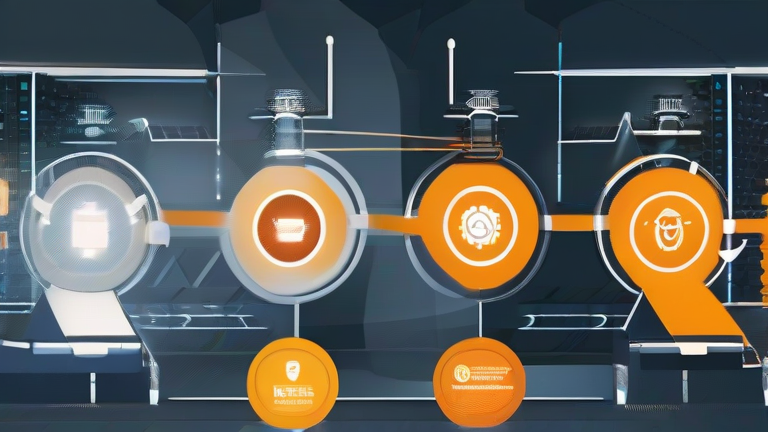
TL;DR: Corporate digital twins are reshaping manufacturing by creating virtual replicas of physical systems that allow for real-time simulation, predictive maintenance, and optimized operational efficiency. This technological shift not only reduces downtime and costs but also significantly enhances worker safety by minimizing exposure to hazardous environments through remote monitoring and automated controls.
The Intersection of Technology and Human Well-being
When we discuss “Corporate Digital Twins,” the conversation usually drifts toward silicon chips, data streams, and logistical efficiency. However, the true impact of this technology extends far beyond the factory floor, touching the very core of human health and workplace wellness. As manufacturing becomes increasingly digitized, the physical toll on workers is diminishing, offering a novel approach to occupational health that prioritizes mental and physical safety over brute labor. By leveraging real-time data, companies can identify ergonomic risks before they result in injury, creating a safer, more sustainable work environment.
If you want to dig deeper, check out our guide on Lab-Grown Meat Faces Global Regulatory Approval.
Science-Backed Benefits for the Modern Worker
Research in occupational health consistently shows that repetitive strain injuries and musculoskeletal disorders are among the most common complaints in industrial settings. Digital twins mitigate these risks by simulating workflows and identifying ergonomic bottlenecks. For instance, a virtual model can predict how a specific assembly line movement will affect a worker’s lower back over a ten-year period, allowing engineers to redesign the process before a single bolt is tightened. This proactive approach aligns with scientific principles of injury prevention, emphasizing the importance of biomechanical alignment in daily tasks.
Furthermore, the reduction of physical hazards directly impacts mental health. Exposure to noise, toxic chemicals, and high-stress physical environments contributes to chronic stress and anxiety. By automating dangerous tasks and using digital twins to monitor environmental quality, companies can significantly lower these stressors. Workers can focus on higher-level problem-solving and creative tasks, which are linked to increased job satisfaction and cognitive engagement. This shift supports a holistic wellness model where mental acuity is as valued as physical output.
Lifestyle Tips for the Digitally Integrated Workplace
As your workplace becomes more digital, maintaining your physical health requires intentional effort. First, prioritize ergonomic hygiene even if your job is less physically demanding. Use digital twin insights to adjust your workstation setup, ensuring your screen is at eye level and your chair supports proper posture. Second, incorporate regular movement breaks. While automation reduces manual labor, sedentary behavior is a significant health risk. Set reminders to stand, stretch, or walk every hour to improve circulation and reduce the risk of cardiovascular issues.
Lastly, leverage the data available to you. Many modern workplaces offer wellness apps that track activity and stress levels. Use these tools to monitor your personal health metrics, just as your company uses digital twins to monitor production. By treating your body with the same precision and care as a high-tech manufacturing process, you can achieve a balanced, healthy lifestyle that complements your professional growth.
FAQ
Q: What exactly is a corporate digital twin?
A: A corporate digital twin is a virtual representation of a physical object, system, or process that uses real-time data to simulate, predict, and optimize performance.
Q: How do digital twins improve worker safety?
A: They allow companies to simulate hazardous scenarios and identify ergonomic risks in a virtual environment, enabling preventive measures before physical work begins.
Q: Can digital twins reduce stress in the workplace?
A: Yes, by automating dangerous or repetitive tasks and optimizing workflows, they reduce physical strain and environmental hazards, leading to lower stress levels for employees.
Leave a Reply