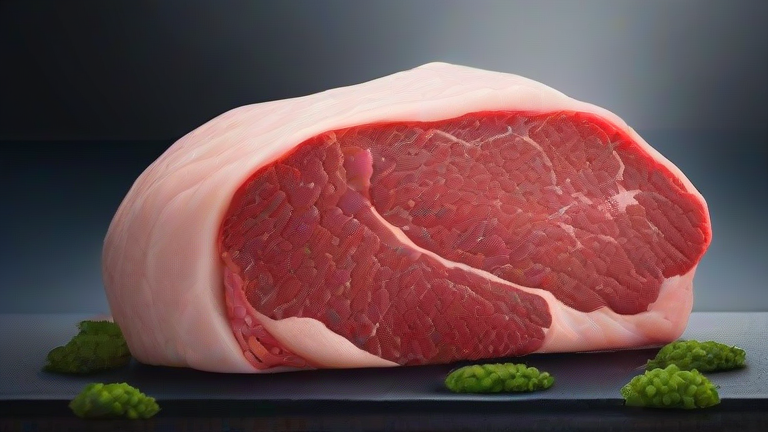
TL;DR: Lab-grown meat is currently navigating a fragmented but accelerating global regulatory landscape, with Singapore, the US, and Israel leading the charge in approving cellular agriculture products. This regulatory progress is crucial for scaling production and convincing skeptical consumers, marking a pivotal transition from experimental prototypes to commercial viability in the alternative protein market.
The Regulatory Landscape: A Patchwork of Progress
The journey toward mainstream adoption of cultured meat is heavily dependent on regulatory frameworks that ensure safety while fostering innovation. Unlike traditional agriculture, cellular agriculture lacks historical precedent, forcing agencies like the FDA and USDA in the United States, and the Singapore Food Agency (SFA) to develop novel approval processes. Singapore was the global pioneer, approving Good Meat’s cultivated chicken in 2020, setting a precedent for other nations. The United States recently granted approval to Upside Foods and GOOD Meat for their cultivated chicken products, signaling a major shift in federal policy. Meanwhile, the European Union is currently evaluating applications under its novel food regulations, a process that is rigorous but slower than in Asia or North America. This divergence creates a complex operational environment for companies aiming for global distribution.
Market Analysis: Capitalizing on Regulatory Momentum

The global alternative protein market is projected to reach significant valuations by the end of the decade, driven by environmental concerns and food security needs. Regulatory approval is not merely a compliance hurdle; it is a catalyst for investment. Venture capital funding has surged as investors seek companies that have cleared early regulatory hurdles, viewing them as de-risked assets. The market analysis indicates that early adopters in regulated markets can establish brand loyalty and supply chain efficiencies that latecomers will struggle to replicate. Furthermore, consumer perception is shifting. While skepticism remains, transparency regarding safety approvals helps alleviate concerns about “unnatural” food sources. The key to capturing market share lies in price parity with conventional meat, which requires massive economies of scale achievable only after regulatory clearance allows for commercial-scale production facilities.
Strategy Insights: Navigating the Approval Hurdle
Successful companies are adopting a dual strategy of scientific rigor and public engagement. They invest heavily in clinical trials and toxicology studies to satisfy regulatory bodies, ensuring every batch meets stringent safety standards. Simultaneously, they engage in educational campaigns to demystify the technology. By framing cultivated meat as a sustainable, humane, and safe innovation, companies can build a narrative that resonates with environmentally conscious consumers. Strategic partnerships with established food manufacturers also facilitate market entry, allowing startups to leverage existing distribution networks. This approach minimizes the risk of consumer rejection and accelerates the path to mass adoption.
Case Studies: Leaders in the Field
Good Meat and Upside Foods stand out as primary case studies. Good Meat’s early entry into the Singaporean market allowed it to refine its production processes and gather consumer data, providing valuable insights for its expansion into the US market. Upside Foods, backed by significant investment from Bill Gates and Richard Branson, has focused on securing US federal approvals while developing partnerships with high-end restaurants to create buzz. These case studies demonstrate that regulatory success is closely tied to strategic market positioning and robust financial backing.
FAQ
Q: Which countries have approved lab-grown meat for commercial sale?
A: Singapore was the first, followed by the United States, with Israel also moving towards approval, while the EU is still in the evaluation phase.
If you want to dig deeper, check out our guide on How AI Agents Automate Enterprise Workflows.
Q: How does regulatory approval impact the price of lab-grown meat?
A: Approval allows for commercial-scale production, which is essential for achieving economies of scale and eventually reaching price parity with conventional meat.
Q: What are the main safety concerns addressed during regulatory review?
A: Regulators focus on potential contaminants, cell line stability, and the safety of culture media components to ensure the final product is safe for human consumption.
Leave a Reply