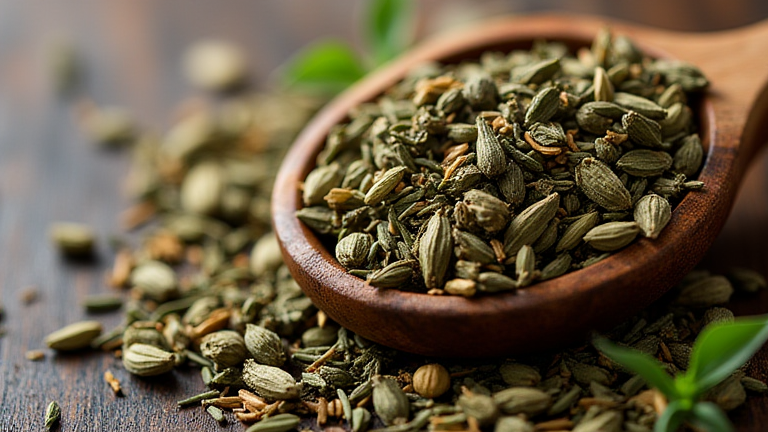
Dried Herbs vs. Brews: Key Benefits & Differences
TL;DR: Dried herbs offer concentrated, shelf-stable flavors ideal for cooking and preserving peak-season aromatics, while fresh brews provide vibrant, nutrient-rich hydration that supports immediate wellness. The choice depends on whether you seek culinary depth or restorative daily rituals.
The Culinary vs. The Ritualistic
In the world of food and personal wellness, the debate often centers on convenience versus vitality. Dried herbs are the backbone of many cuisines, from the robust oregano in Italian marinara to the delicate rosemary in Mediterranean roasts. Their appeal lies in preservation. By removing moisture, drying halts enzymatic degradation, allowing volatile aromatic compounds to concentrate. This makes them incredibly potent. A pinch of dried thyme can mimic the flavor of a sprig of fresh, but it also offers a different texture and intensity. For travelers, this is a game-changer. You can pack light, knowing that a small jar of dried basil or mint will last months without refrigeration. It is the ultimate companion for backpacking through the Andes or navigating the spice markets of Marrakech, where fresh produce might be scarce or perishable quickly.
If you want to dig deeper, check out our guide on Google Pays $10M for Spirit Data to Train AI.
On the other hand, herbal brews, or tisanes, represent a different philosophy: one of immediate presence and holistic nourishment. Unlike dried ingredients meant for heat application, brews are designed for extraction through hot water. This process releases water-soluble nutrients, antioxidants, and essential oils that are best absorbed when consumed fresh. The act of brewing is itself a ritual, a moment of pause in a chaotic day. It aligns with the personal growth angle of mindfulness. When you steep chamomile or peppermint, you are not just making a drink; you are engaging in a sensory experience that encourages breathing and reflection. The culture surrounding herbal teas is rich with history, from Chinese traditional medicine to European folk remedies, each tradition offering specific benefits for stress relief, digestion, or sleep.
Nutritional Nuances and Travel Wisdom
From a nutritional standpoint, the difference is stark. Drying preserves certain fat-soluble vitamins and antioxidants, but it can degrade heat-sensitive compounds like vitamin C. Therefore, if your goal is maximum anti-inflammatory benefit, a fresh brew of ginger or turmeric root, consumed immediately after steeping, will outperform a dried powder mixed into a hot drink. However, for culinary application, dried herbs are superior for long-cooking dishes where water is reduced, as their flavors meld deeply into the sauce. Fresh brews, conversely, are best for short steeps where the delicate essence is preserved without bitterness.
For the modern traveler and food enthusiast, understanding this distinction allows for a more intentional approach to what you consume. In a bustling city like Tokyo, a bowl of ramen seasoned with dried scallions and nori offers a comforting, consistent flavor profile that travels well. In a quiet mountain lodge in Switzerland, a pot of freshly harvested alpine herbs steeped in spring water offers a connection to the local terroir and a soothing end to a day of hiking. Both have their place, but they serve different masters. One feeds the body with sustained, concentrated energy; the other feeds the spirit with immediate, calming clarity.
Ultimately, the best approach is a hybrid one. Keep a well-stocked pantry of high-quality dried herbs for your cooking adventures, ensuring you always have the foundational flavors for hearty meals. Simultaneously, embrace the practice of brewing fresh or high-quality loose-leaf herbs for daily maintenance. This balance allows you to enjoy the robustness of global cuisines while maintaining a daily ritual of health and mindfulness. Whether you are exploring new cultures or simply growing as a person, paying attention to these small distinctions in your daily intake can lead to a richer, more aware lifestyle.
FAQ
Q: Which is better for preserving antioxidants?
A: Freshly brewed teas generally retain more heat-sensitive antioxidants like polyphenols, while dried herbs preserve fat-soluble compounds better but may lose some potency over time if not stored in airtight containers.
Leave a Reply