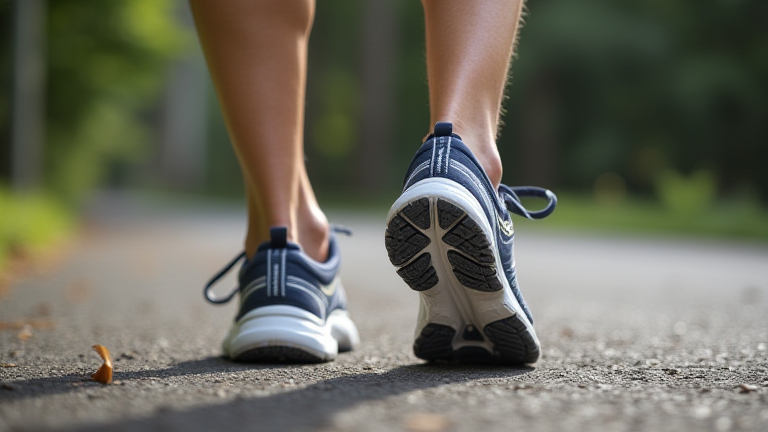
TL;DR: For flat feet, prioritize running shoes with strong medial arch support and firm stability features to prevent overpronation. Look for models with structured heels and durable midsoles that offer a secure, motion-controlling fit.
How to Choose the Best Running Shoes for Flat Feet
If you want to dig deeper, check out our guide on Ultimate Step-by-Step Tutorial: Master the Basics in Minutes.
Running with flat feet presents unique biomechanical challenges, primarily overpronation, where the foot rolls inward excessively upon impact. This misalignment can lead to knee, hip, and lower back pain if not addressed with the proper footwear. Choosing the right pair of running shoes is not merely about comfort; it is a critical investment in your long-term joint health and running efficiency. The ideal shoe for flat feet must provide robust structural support to stabilize the foot throughout the entire gait cycle, ensuring that your stride remains efficient and injury-free.
When evaluating options, focus on stability and motion control features. Most experts recommend shoes labeled as “stability” or “motion control.” These models typically feature a dual-density midsole, with firmer foam on the inner side (medial post) to limit excessive inward rolling. Additionally, look for a firm heel counter that locks your heel in place, preventing slippage and providing the necessary rearfoot support. Wide base designs are also beneficial, as they offer a more stable platform for your foot, enhancing balance and reducing the risk of ankle sprains.
Comparing top contenders, brands like Brooks (specifically the Adrenaline GTS series) and Asics (Gel-Kayano) consistently rank high for their reliable support systems. Brooks offers a GuideRail system that supports your knees and hips, while Asics focuses on advanced Gel cushioning combined with dynamic duofoam for superior shock absorption. New Balance also provides excellent width options, which is crucial for flat-footed runners who often need more room in the forefoot. While stability shoes are generally heavier than neutral ones, the trade-off in support is worth it for those with flat arches. Avoid minimalist or highly cushioned neutral shoes, as they lack the necessary structural integrity for your foot type.
Before purchasing, always try on shoes in the afternoon when your feet are slightly swollen, mimicking conditions during a run. Ensure there is a thumb’s width of space in the toe box to allow for natural expansion. By selecting a shoe with targeted support, you can run longer distances with greater confidence and less pain. Visit a specialized running store for a professional gait analysis to find your perfect match today.
FAQ
Q: Can I use orthotic inserts with stability running shoes?
A: Yes, many stability shoes have removable insoles, allowing you to insert custom orthotics for personalized arch support.
Q: How often should I replace my stability running shoes?
A: Typically, you should replace them every 300 to 500 miles, as the midsole cushioning and support structures degrade over time.
Q: Are motion control shoes necessary for severe flat feet?
A: If you have severe overpronation, motion control shoes are highly recommended as they offer the maximum level of stability and support.
Leave a Reply