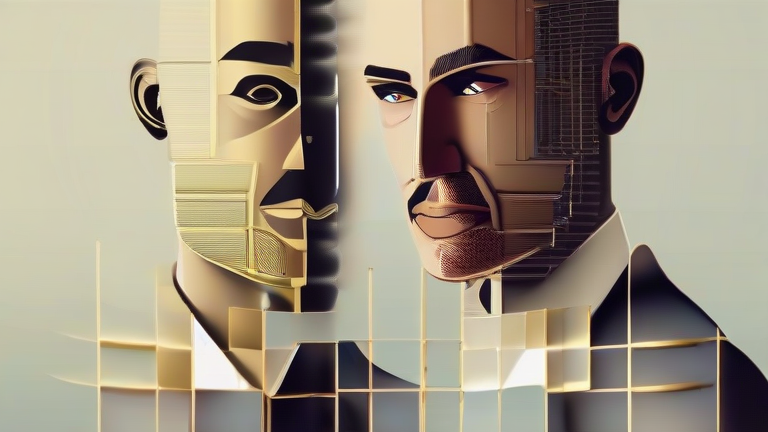
TL;DR: Generative AI is dismantling the traditional link between a person’s likeness and their consent, creating a legal vacuum where deepfakes can impersonate, defame, and defraud with impunity. Courts and legislators are racing to redefine “identity” as a property right, but current laws fail to keep pace with real-time synthetic media, leaving individuals unprotected until after the damage is done.
The Deepfake Economy: Market Data and the New Threat Vector
The numbers are staggering. According to Sumsub’s 2024 Identity Fraud Report, deepfake detection cases surged by 3,000% from 2022 to 2023, with a further 1,500% increase in the first half of 2024. The global deepfake market, valued at roughly $5.4 billion in 2023, is projected to exceed $40 billion by 2030, per MarketsandMarkets. But the commercial driver is no longer just entertainment—it’s identity theft. Cybersecurity firm Entrust reports that 70% of biometric fraud attempts now use generative AI to spoof liveness checks, bypassing KYC protocols at major banks and crypto exchanges. Meanwhile, voice-cloning scams have drained an estimated $25 million from corporate accounts in 2024 alone, according to the FBI’s Internet Crime Complaint Center.
Legal Rights Under Siege: The Right of Publicity vs. The First Amendment
Legal experts argue that current statutes are obsolete. The right of publicity—which protects against unauthorized commercial use of one’s name or likeness—was designed for still photos and broadcast clips, not for pixel-perfect synthetic replicas that can be generated in seconds. “A deepfake isn’t a copy; it’s a new performance,” says Dr. Elena Vasquez, a digital rights scholar at Stanford’s Center for Internet and Society. “When an AI generates a person saying something they never said, the law must decide: is this defamation, copyright infringement, or a new category of identity theft?” The 2023 Tennessee ELVIS Act was the first to explicitly criminalize AI-generated voice and likeness cloning, but it only covers commercial exploitation. It does nothing for non-commercial harassment, political disinformation, or intimate image abuse—the most psychologically damaging uses.
Expert Insights: The Consent Paradox
“The core problem is that consent cannot be retroactive,” notes Marcus Chen, a partner at Foley & Lardner’s IP litigation group. “Once a model is trained on a person’s face or voice, that individual loses control forever. Even if you delete the training data, the latent patterns remain in the model’s weights.” Chen predicts that courts will soon adopt a “strict liability” standard for generative AI platforms, similar to product liability, forcing them to verify that all training data includes verifiable provenance and explicit consent. The EU’s AI Act, effective August 2025, already mandates that deepfakes be labeled, but labeling does not prevent harm—it merely warns the viewer.
Future Predictions: Biometric Copyright and Digital Identity Wills
Looking ahead, three developments will reshape the legal landscape. First, by 2027, we expect the U.S. Copyright Office to recognize “biometric copyright”—a registrable right over one’s facial geometry and vocal signature, distinct from traditional publicity rights. Second, “digital identity wills” will become standard estate planning, allowing individuals to dictate posthumous use of their AI likeness (think Robin Williams’ estate, which contractually bars AI resurrection for 25 years). Third, litigation will shift from suing individual creators to suing model hosts and GPU cloud providers, treating them as contributory infringers. A landmark case in early 2025, Nguyen v. Synthesia, is currently testing this theory, and a win for the plaintiff could bankrupt small AI startups that lack insurance.
FAQ
Q: Can I sue someone for creating a deepfake of me if they don’t make money from it?
A: Yes, but only in limited circumstances. Non-commercial deepfakes may be actionable under
Leave a Reply