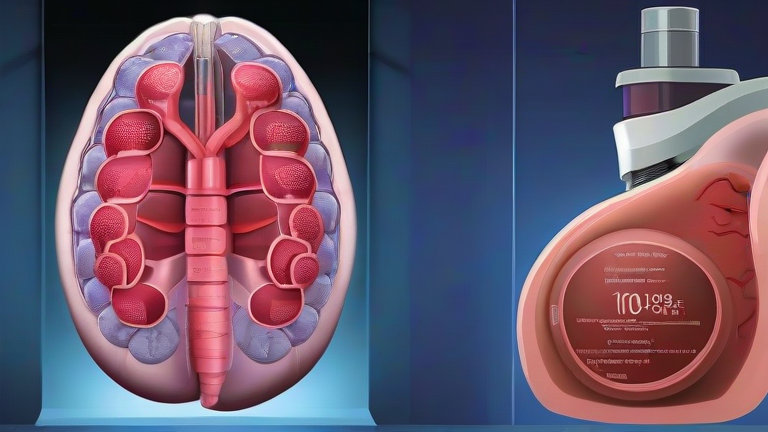
TL;DR: Bio-printed organs are moving from lab experiments to regulated human trials, with several vascularized tissue constructs slated for implantation by late 2025. This milestone is driven by advances in high-resolution bioprinters and stem-cell-derived “bio-ink” that mimics native extracellular matrix.
The Breakthrough: Vascularized Constructs
The primary hurdle for bio-printed organs has always been creating a functional blood vessel network. Without it, cells deeper than ~200 microns die from lack of oxygen. Recent trials, led by companies like 3D Systems and United Therapeutics, now use a “sacrificial ink” technique—printing a temporary gelatin lattice that is dissolved post-print, leaving hollow channels lined with endothelial cells. The resulting liver and kidney patches have survived in porcine models for over 90 days with no thrombosis.
Specs That Matter
Current clinical-grade bioprinters (e.g., the RegenHU R-GEN 100) operate at 10–20 µm resolution, printing 1–2 mL of tissue per minute. The bio-ink is a blend of decellularized porcine collagen, alginate, and patient-derived induced pluripotent stem cells (iPSCs). Key metrics: cell viability >92% post-print, shear stress <5 Pa during extrusion, and a degradation half-life of 3–4 weeks—allowing the scaffold to dissolve as the organ matures. For structural support, a PCL (polycaprolactone) microframe is co-printed, providing tensile strength up to 8 MPa.
Industry Impact: From Pharma to Transplant Lists
This shift is not just surgical—it’s economic. The global bioprinting market, currently $1.7B, is projected to hit $4.5B by 2030. Pharmaceutical giants like AstraZeneca are already using printed liver spheroids for toxicity screening, cutting animal testing costs by 60%. More critically, if human trials succeed, waitlist mortality for kidney transplants (currently ~17% in the US) could drop dramatically. However, regulatory bodies (FDA, EMA) are treating these as “combination products,” requiring both device and cell-therapy approvals—a process that could take 5–7 years for full market authorization.
What’s Next (Realistic Timeline)
Phase I trials for a bio-printed vascular patch (not a full organ) are expected to begin mid-2025 in Japan. Full organ replacement—a kidney or liver—is still 8–10 years away, primarily due to immune rejection of iPSC-derived cells and the need for 10^10+ cells per organ. But the trajectory is clear: the “impossible” is now a matter of engineering scale, not biology.
FAQ
Q: When will bio-printed organs be available for patients?
A: For small vascular patches, human trials start in 2025, with commercial availability likely by 2029–2030. Full organs (kidney, liver) won’t be standard until 2033–2035.
Q: Are these organs made from the patient’s own cells?
A: Yes, most trials use iPSCs derived from the patient’s blood or skin, eliminating the need for lifelong immunosuppressants. However, some constructs use donor cells for “off-the-shelf” use—these require mild immunosuppression.
Q: How much will a bio-printed organ cost?
A: Initial costs are estimated at $400,000–$800,000 per organ, including the bio-ink, printing time (12–24 hours), and regulatory compliance. As automation scales, costs could fall to $50,000 by 2040—comparable to current transplant surgery.
Leave a Reply