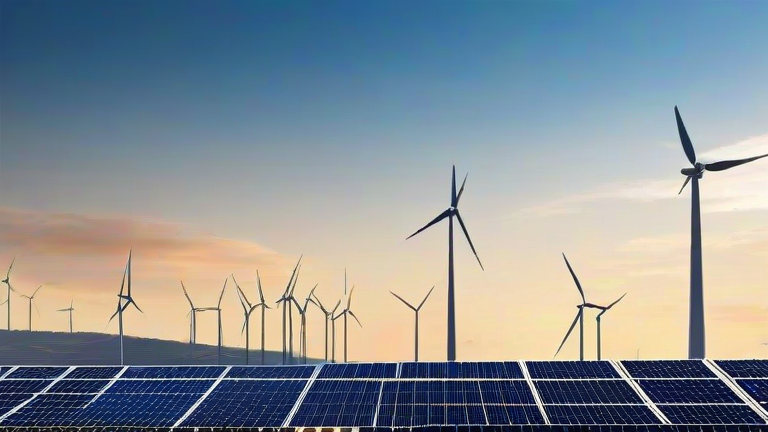
TL;DR: Decentralized energy lets neighbors trade surplus solar and wind power directly through peer-to-peer (P2P) platforms, turning passive consumers into active “prosumers.” This shift makes grids smarter, more resilient, and more affordable by balancing supply and demand locally instead of relying solely on distant power plants.
A Block Party Where the Currency Is Kilowatts
Picture a sun-drenched street in Lisbon where rooftops bristle with solar panels. Around midday, one household’s panels generate more electricity than the family can use, while two doors down, a neighbor charging an electric car faces a pricey grid rate. In the old model, the surplus flows back to the utility at a modest credit and the neighbor pays full retail. With P2P energy trading, the first family sells those extra kilowatt-hours straight to the second at a price that undercuts the utility—and both come out ahead. Multiply that exchange across a neighborhood, a city, or a rural cooperative, and you have the essence of decentralized energy: a living marketplace where electrons find their nearest buyer.
If you want to dig deeper, check out our guide on Why UGC Video Ads Are the Only Social Media Ad Trend That Ma.
The Traveler’s Take: Microgrids as Local Culture
For travelers, this shift is quietly changing how places feel. Visit a village in Denmark or a hillside community in Costa Rica and you may find guesthouses powered by shared microgrids, where hosts proudly explain that the morning’s coffee ran on yesterday’s sunshine. Energy becomes part of the local story—like a farmers’ market for power. Booking platforms are even beginning to highlight stays with community energy setups, appealing to travelers who want their footprint to match their values. The grid, once invisible, is turning into a cultural landmark.
From Food to Fuel: Lessons From the Farmers’ Market
The food movement already taught us this lesson. Farmers’ markets shortened the distance between grower and eater, cut waste, and built trust. P2P energy applies the same logic: shorten the distance between generator and user, reduce transmission losses, and let neighbors negotiate like vendors and shoppers. Community-supported agriculture schemes have direct analogues in community-supported energy, where members buy shares in a shared solar array and receive “harvests” of electricity. The vocabulary of food—harvest, surplus, sharing—fits neatly onto a grid that finally behaves less like a monopoly and more like a commons.
Personal Growth, One Watt at a Time
There’s also an inner journey here. Watching a meter flip backward, or tracking a trade with the family next door, rewires how we think about consumption. Energy stops being an abstract bill and becomes something tangible you steward—much like learning to cook instead of ordering takeout. Households that trade power report a sharper awareness of when they use it, a habit that spills into other areas of life. Resilience, it turns out, is as much a mindset as an infrastructure.
FAQ
Q: Do I need my own solar panels to participate in P2P energy trading?
A: Not necessarily. Many platforms let renters and apartment dwellers buy into shared community arrays or purchase locally generated power directly from neighbors, so you can participate even without a rooftop of your own.
Q: Is P2P trading safe and reliable for the wider grid?
A: Yes, when managed by smart grid software that balances load in real time. Local trading actually reduces strain on transmission lines, and grid operators can step in to stabilize supply during peak demand or outages.
Q: How do I find a community energy project while traveling or at home?
A: Look for eco-certified guesthouses, local energy cooperatives, and municipal sustainability offices. At home, check whether your utility or a regional startup offers a peer-to-peer pilot program—many now do.
Leave a Reply