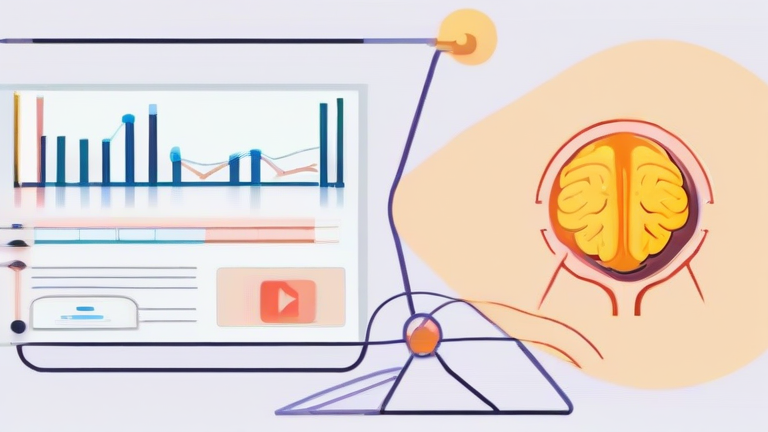
Brainwave Monitoring in Mental Health Apps: The Future of Care
The landscape of mental healthcare is undergoing a profound transformation, shifting from reactive treatment to proactive, data-driven prevention. At the forefront of this revolution is brainwave monitoring, a technology that leverages electroencephalography (EEG) to provide real-time insights into cognitive and emotional states. While consumer-grade devices have existed for years, their integration into mental health applications marks a significant leap forward in personalized care. This technology is not merely a novelty; it represents a scientific approach to understanding the neural correlates of anxiety, focus, and relaxation.

Recent studies published in peer-reviewed journals indicate that neurofeedback, facilitated by these apps, can effectively reduce symptoms of anxiety and improve attention spans. By visualizing brain activity, users gain immediate feedback on their physiological state. For instance, an increase in beta waves might signal high stress or alertness, while a dominance of alpha waves often correlates with a relaxed, meditative state. This biofeedback loop empowers individuals to recognize early signs of mental distress and employ coping mechanisms before symptoms escalate. It transforms abstract feelings of anxiety into tangible data points that can be managed and understood.
If you want to dig deeper, check out our guide on Boost Mental Health With Personalized AI Apps.
However, technology is only as effective as the lifestyle habits that support it. To maximize the benefits of brainwave monitoring, it is crucial to integrate these tools with evidence-based wellness practices. One of the most impactful lifestyle adjustments is prioritizing sleep hygiene. Poor sleep disrupts neural connectivity and alters brainwave patterns, making it harder for apps to provide accurate baselines. Establishing a consistent sleep schedule and creating a restful environment can enhance the accuracy of your data and improve overall mental resilience. Additionally, regular physical exercise has been shown to regulate neurotransmitters and stabilize brainwave activity, creating a solid foundation for mental health.
Mindfulness and meditation remain powerful complements to technological monitoring. When you engage in mindfulness practices, you actively train your brain to shift from chaotic, high-frequency waves to calmer, lower-frequency states. Apps that combine guided meditations with real
Leave a Reply