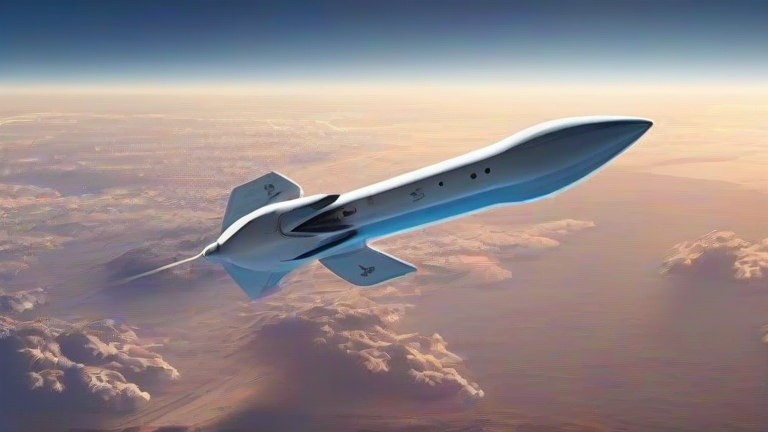
TL;DR: Affordable space tourism is becoming a reality through suborbital flights that offer civilians brief experiences of weightlessness and Earth views at a fraction of orbital costs. As technology matures, pricing is expected to drop significantly, making these short journeys accessible to a broader demographic within the next decade.
The Emerging Market for Suborbital Travel
The commercial space industry is undergoing a paradigm shift, moving from exclusive government missions to accessible civilian experiences. While orbital tourism remains the domain of the ultra-wealthy, suborbital flights represent the “economy class” entry point into space. This segment targets individuals willing to spend between $250,000 and $500,000 for a 15-minute experience, a price point that opens doors to high-net-worth individuals who previously found space travel financially prohibitive. Market analysts predict this sector could generate billions in revenue by 2030, driven by increasing public interest and technological advancements that lower launch costs.
If you want to dig deeper, check out our guide on Top 5 Emerging Trends Shaping 2024: What You Need to Know.

Strategic Insights for Operators
Success in this niche requires a dual focus on safety and operational efficiency. Companies must prioritize rigorous certification processes to build public trust, as any safety incident could derail the entire industry. Furthermore, scaling operations through reusable rocket technology is crucial for reducing per-flight costs. Strategic partnerships with tourism boards and luxury travel agencies can also enhance brand visibility and attract a diverse customer base. Operators are increasingly focusing on creating comprehensive packages that include training, hospitality, and media coverage, transforming a simple flight into a memorable lifestyle event.
Case Studies in Innovation
Virgin Galactic has pioneered the spaceplane approach, using air-launch technology to reduce fuel consumption and increase flight frequency. Their recent successful commercial missions demonstrate the viability of regular operations. Meanwhile, Blue Origin focuses on vertical takeoff and landing rockets, offering a more traditional rocket experience with a focus on rapid reusability. Both companies are investing heavily in ground infrastructure to streamline passenger processing and enhance the pre-flight experience. These case studies highlight different technological pathways to the same goal: making space accessible to more people.
FAQ
Q: How long does a suborbital flight last?
A: The entire experience, including training and pre-flight procedures, takes about two days, but the actual time in space is approximately 10 to 15 minutes.
Q: What is the typical cost of a ticket?
A: Current prices range from $250,000 to $500,000, though analysts expect costs to decrease as technology becomes more efficient and competition increases.
Q: Are there age or health restrictions?
A: Passengers must be at least 18 years old and meet specific health criteria, including no serious medical conditions, to ensure safety during high-G forces.
Leave a Reply