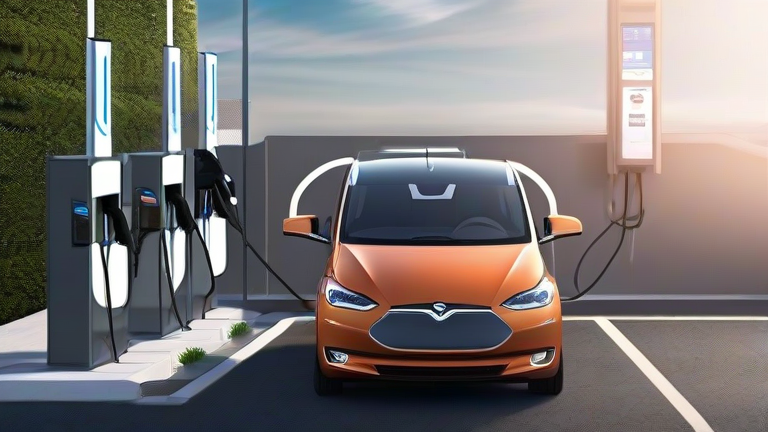
TL;DR: The future of EV charging infrastructure focuses on ultra-fast, wireless, and vehicle-to-grid technologies that seamlessly integrate into daily life. This evolution transforms charging from a chore into an effortless, energy-positive experience that supports sustainable travel and community resilience.
The Road Ahead
Imagine pulling into a scenic mountain lodge, parking your electric vehicle, and never plugging in a cable. This is not a distant sci-fi fantasy but the imminent reality reshaping our travel habits. The infrastructure boom is no longer just about installing more plugs; it is about creating an invisible, intelligent network that powers our lives without disrupting our flow. As battery technologies improve and charging speeds skyrocket, the anxiety of “range anxiety” is fading, replaced by the freedom of spontaneous adventure.
If you want to dig deeper, check out our guide on Decentralized Identity: Protecting Online User Privacy.

Culture and Connection
This shift is deeply cultural. Charging stations are evolving into social hubs. Picture stopping at a solar-powered rest stop with a gourmet food truck, local art displays, and high-speed Wi-Fi. The wait time becomes a moment of personal growth or cultural immersion. You are no longer stuck; you are engaged. Communities are building these hubs as gathering places, fostering local economies and sustainable tourism. The car becomes a mobile office or a relaxation pod, turning idle time into valuable life experience.
Sustainability in Motion
Moreover, the integration of vehicle-to-grid technology means your car can power your home during outages or sell energy back to the grid during peak hours. This democratizes energy, making every driver a participant in the green economy. The infrastructure is becoming a living, breathing ecosystem that rewards sustainable choices. As we embrace this new normal, we find that technology serves human connection and environmental stewardship. The journey is no longer just about the destination; it is about the mindful pauses that enrich our lives. The future is electric, connected, and profoundly human.
FAQ
Q: When will wireless EV charging become widely available?
A: Pilot programs are currently active in several cities, with widespread commercial availability expected within the next five to seven years.
Q: How does vehicle-to-grid technology benefit homeowners?
A: It allows homeowners to use their EV battery to power their house during outages or sell excess energy back to the utility grid for financial credits.
Q: Are charging stations becoming social hubs?
A: Yes, many modern stations are integrating amenities like cafes, retail shops, and leisure spaces to maximize the value of charging time.
Leave a Reply