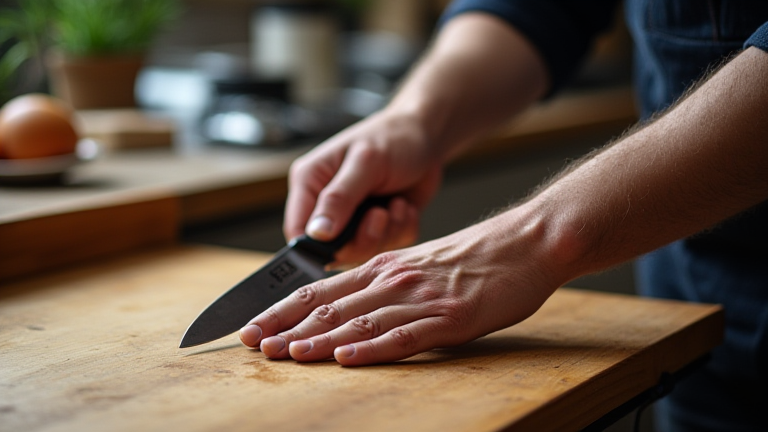
TL;DR: Hunting for Made in Japan tools is less about acquiring hardware and more about connecting with a philosophy of meticulous craftsmanship and enduring quality. This pursuit transforms everyday tasks into mindful rituals, offering a deep sense of personal satisfaction and cultural appreciation that mass-produced alternatives simply cannot replicate.
The Soul of Steel
There is a distinct weight to a well-made Japanese tool. When you pick up a chisel forged in Seki City or a wrench polished in Sakai, you are holding centuries of tradition in your palm. I used to buy cheap, disposable implements, replacing them every few months. That cycle of consumption felt hollow. It was only when I discovered the world of BIFL—Buy It For Life—that I realized my approach to work was fundamentally broken. I wasn’t just buying objects; I was buying time, respect, and a connection to a lineage of artisans who treat their craft as a spiritual practice.
A Journey of Discovery
My hunt began not in a hardware store, but in a quiet kitchen in Tokyo. I watched a master chef sharpen a yanagiba knife with a rhythmic, meditative focus. The sound was crisp, the edge razor-sharp. It wasn’t just cooking; it was a performance of precision. That moment sparked a curiosity that led me down a rabbit hole of online forums, specialized importers, and local markets. I started seeking out brands like Makita, Stanley, and vintage finds from the Showa era. Each purchase was a lesson in patience. I learned to read product descriptions, understand steel grades, and appreciate the subtle differences between carbon and stainless steel.
More Than Just Tools
This lifestyle shift has profoundly impacted my personal growth. Working with high-quality tools demands presence. You cannot rush a sharpening stone or force a well-balanced hammer. You must listen to the material, adjust your grip, and respect the process. This mindfulness spills over into other areas of my life. I find myself approaching problems with greater deliberation and less frustration. The tools have become extensions of my will, reliable partners in creation rather than obstacles to overcome.
Cultural Appreciation
Owning these items also fosters a deeper appreciation for Japanese culture. It is a tangible link to concepts like *monozukuri* (the art of making things) and *shokunin kishitsu* (the artisan’s spirit). When I use a Japanese screwdriver, I am not just turning a screw; I am participating in a global community that values durability over disposability. This shared value system creates a sense of belonging among enthusiasts worldwide, united by a common respect for excellence.
Conclusion
The hunt for Made in Japan tools is not merely about hoarding expensive objects. It is a quest for meaning in a world of planned obsolescence. By choosing quality, we choose to slow down, to care for our possessions, and to honor the hands that made them. This journey has enriched my life in ways I never anticipated, turning mundane chores into opportunities for reflection and connection. In the end, the tool is not the destination; it is the bridge to a more intentional way of living.
FAQ
Q: What does BIFL stand for?
A: BIFL stands for Buy It For Life, a philosophy emphasizing the purchase of durable, high-quality goods that last a lifetime.
If you want to dig deeper, check out our guide on Top 10 Noise Cancelling Headphones for Deep Work.
Q: Why are Japanese tools considered superior?
A: They are renowned for their precision engineering, superior steel alloys, and the meticulous craftsmanship rooted in centuries-old artisan traditions.
Q: Is this hobby expensive to start?
A: While high-quality tools have a higher upfront cost, they often save money long-term by eliminating the need for frequent replacements.
Leave a Reply