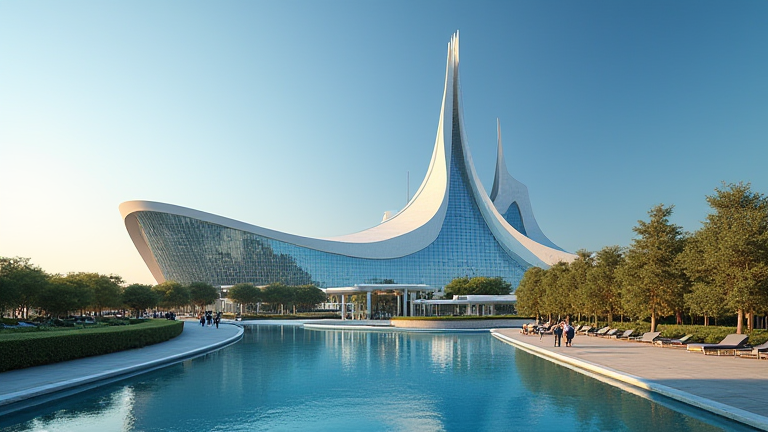
TL;DR: Astana, now officially known as Nur-Sultan, stands as a striking fusion of futuristic architecture and deep-rooted nomadic heritage in the heart of Central Asia. This dynamic city offers travelers a unique blend of modern innovation, rich cultural history, and unforgettable culinary experiences that redefine the concept of urban exploration.
A City Built from the Void
If you want to dig deeper, check out our guide on 10 Simple Lifestyle Hacks to Boost Your Daily Happiness and .
Standing in the center of the Kazakh steppe, Astana feels less like a traditional city and more like a glimpse into a sci-fi future. Founded on the banks of the Ishim River, this capital was designed to be a symbol of national unity and progress. The skyline is dominated by structures that defy conventional logic, creating a visual narrative of ambition. The Bayterek Tower, with its golden egg at the top, is not just an observation deck but a profound cultural symbol representing the Tree of Life in Kazakh mythology. Climbing to the top offers panoramic views that stretch endlessly into the horizon, reminding visitors of the vast, open landscape that surrounds this urban oasis. The architecture here is bold and daring, featuring sleek glass facades and sweeping curves that catch the light differently depending on the time of day. It is a place that challenges the eye and inspires the mind, proving that human creativity can thrive even in extreme climates.
Culinary Journeys and Cultural Immersion
Beyond the steel and glass, the soul of Astana beats in its markets and restaurants. Food is a central pillar of Kazakh hospitality, and nowhere is this more evident than in the bustling Khan Shatyr Entertainment Center. Here, you can sample traditional dishes like beshbarmak, a hearty meal of boiled meat and noodles, or try kazy, a delicacy made from horse meat. The city’s dining scene is a melting pot of flavors, blending Central Asian traditions with Russian, European, and Asian influences. For a deeper cultural connection, visit the National Museum, where artifacts tell the story of the Silk Road and the nomadic tribes that once roamed these lands. Engaging with locals provides insight into a society that values community, respect, and tradition. The warmth of the people contrasts sharply with the sometimes harsh winter temperatures, creating an inviting atmosphere for visitors. Whether you are sipping green tea in a cozy café or exploring the vibrant nightlife, Astana offers a multifaceted experience that appeals to diverse interests. It is a city that invites you to look beyond the surface, encouraging personal growth through exposure to new perspectives and environments.
FAQ
Q: What is the best time to visit Astana?
A: The best time to visit is during the summer months from June to August when the weather is mild and pleasant, allowing for comfortable exploration of outdoor attractions.
Q: Is it easy to navigate the city without speaking Kazakh or Russian?
A: Yes, many younger residents and service workers in hotels and restaurants speak English, and the city has a well-developed public transportation system with clear signage.
Q: What are the must-see architectural landmarks in Astana?
A: Key landmarks include the Bayterek Tower, the Khan Shatyr Entertainment Center, the Palace of Peace and Reconciliation, and the majestic Nur-Astana Mosque.
Leave a Reply