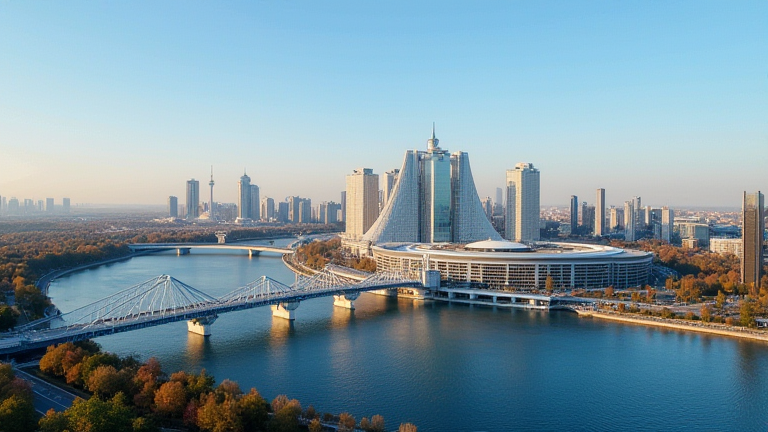
TL;DR: Astana, now officially known as Nur-Sultan, has transformed from a barren steppe into a futuristic hub of sustainable architecture and digital innovation. The city stands as a global benchmark for smart urban planning, leveraging advanced technology to create an efficient, eco-friendly metropolis in the heart of Central Asia.
The Digital Backbone of Central Asia
Astana’s rapid evolution is not merely architectural but deeply rooted in technological infrastructure. As Kazakhstan’s capital, the city serves as the primary node for the nation’s digital transformation initiatives. The government has heavily invested in fiber-optic networks and 5G deployment, ensuring that businesses and residents have access to ultra-fast connectivity. This digital backbone supports a burgeoning startup ecosystem, with the city hosting several major tech hubs and innovation centers. The Astana Hub, often referred to as the “Capital of Innovation,” provides tax incentives and legal frameworks tailored for fintech, artificial intelligence, and blockchain enterprises. This strategic positioning has attracted significant foreign direct investment, making the city a critical player in the global tech landscape.
Sustainable Urban Tech Specs
The city’s infrastructure is designed with sustainability at its core, utilizing cutting-edge engineering solutions to combat the extreme continental climate. Buildings are equipped with smart energy management systems that optimize heating and cooling, reducing overall energy consumption by up to thirty percent compared to traditional structures. The Expo 2017 site, originally focused on renewable energy, continues to serve as a living laboratory for green technologies. Recent developments include the integration of Internet of Things (IoT) sensors throughout the city to monitor air quality, traffic flow, and utility usage in real-time. These data-driven insights allow municipal authorities to make immediate adjustments, enhancing public services and environmental protection. Furthermore, the city’s public transportation system is being electrified, with new electric buses and trams reducing carbon emissions and noise pollution in residential areas.
Industry Impact and Global Reach
Astana’s technological advancements have a profound impact on the broader Central Asian region. By establishing itself as a leader in digital governance, the city sets a precedent for e-government services, allowing citizens to access a wide range of public services online. This digital-first approach boosts efficiency and transparency, fostering a business-friendly environment that encourages entrepreneurship. The city’s focus on fintech has also facilitated the growth of digital banking and mobile payment solutions, increasing financial inclusion for unbanked populations. Internationally, Astana hosts numerous high-level forums, such as the Astana International Financial Centre, which bridges markets between Europe and Asia. These institutions leverage legal and technological innovations to attract global capital, positioning Kazakhstan as a key player in the global economy. As the city continues to expand, its commitment to innovation ensures that it remains at the forefront of urban development trends. The synergy between sustainable architecture, digital infrastructure, and strategic economic policies creates a resilient model for future cities. Astana’s journey from a planned city to a tech-savvy metropolis highlights the potential of intentional design and technological adoption in shaping modern urban life.
FAQ
Q: What is the official name of the city?
A: The city was officially renamed Astana in 2022, reverting from its previous name, Nur-Sultan.
If you want to dig deeper, check out our guide on 10 Proven Health Tips to Boost Your Energy and Immunity Toda.
Q: What is the primary focus of the Astana Hub?
A: The Astana Hub focuses on supporting startups in fintech, artificial intelligence, blockchain, and other emerging digital technologies.
Q: How does the city manage its extreme climate?
A: The city uses smart energy management systems and IoT sensors to optimize building efficiency and monitor environmental conditions in real-time.
Leave a Reply