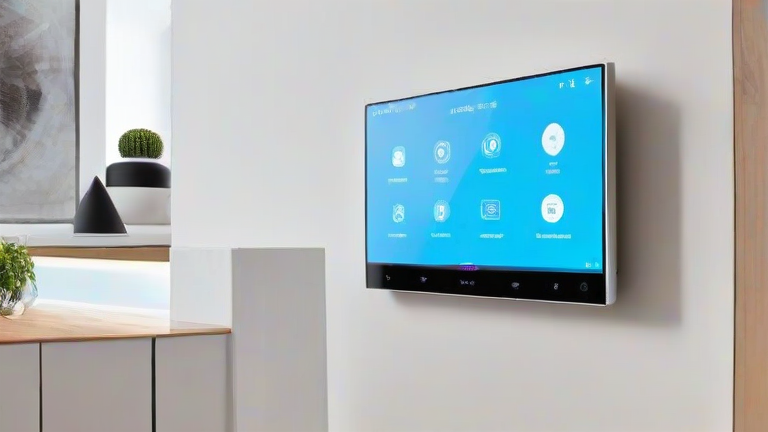
TL;DR: The top seven smart home devices to buy this season are AI-powered video doorbells, matter-compatible thermostats, multi-sensor security kits, voice-controlled lighting systems, smart plugs with energy monitoring, automated window treatments, and next-generation smart locks. These devices offer seamless integration, enhanced security, and significant energy savings for modern households.
The Rise of Interconnected Living
The smart home market is experiencing unprecedented growth, driven by advancements in artificial intelligence and the standardization of communication protocols. According to recent industry reports, the global smart home market size is projected to reach over $150 billion by 2025, with a compound annual growth rate of approximately 20 percent. This surge is not merely about convenience; it is about creating an ecosystem where devices communicate seamlessly to enhance safety, efficiency, and comfort. As consumers become more tech-savvy, the demand for interoperability has never been higher. The transition from standalone gadgets to integrated systems marks a pivotal shift in how homeowners interact with their living spaces.
If you want to dig deeper, check out our guide on Notion Tutorial: Build a Client CRM Dashboard in 15 Minutes.
Top 7 Devices Defining the Season
First on the list are AI-enhanced video doorbells. These devices now feature advanced person detection and package recognition, reducing false alarms significantly. Expert analysts note that the integration of on-device processing ensures faster response times and better privacy protection compared to cloud-dependent models. Second, Matter-compatible thermostats are gaining traction. By supporting the Matter standard, these thermostats work flawlessly across Apple, Google, and Amazon ecosystems, eliminating brand loyalty barriers. Third, multi-sensor security kits are becoming essential. Unlike single cameras, these kits combine motion sensors, leak detectors, and smoke alarms into one cohesive network, offering comprehensive protection against various household hazards.
Fourth, voice-controlled lighting systems are evolving beyond simple on/off commands. Newer models allow for circadian rhythm adjustments, which improve sleep quality and overall well-being. Industry insiders predict that health-focused features will become a primary selling point for lighting manufacturers. Fifth, smart plugs with energy monitoring capabilities are helping consumers track and reduce electricity costs. With rising energy prices, the ability to identify power-hungry devices in real-time is a compelling value proposition. Sixth, automated window treatments are moving from luxury to necessity. They integrate with weather forecasts to close blinds during heatwaves or open them for natural light, optimizing indoor comfort without manual intervention.
Finally, next-generation smart locks offer keyless entry with biometric authentication. Fingerprint and face recognition technologies are becoming more affordable and reliable, providing a secure and convenient alternative to physical keys. Security experts emphasize that these locks often include tamper alerts and detailed entry logs, adding an extra layer of peace of mind. Together, these seven devices represent the forefront of smart home innovation, balancing functionality with user experience.
Future Predictions and Market Outlook
Looking ahead, the smart home industry is poised for further consolidation and innovation. Experts predict that by 2026, over 50 percent of new home constructions will come pre-wired for smart home systems. The adoption of edge computing will also accelerate, allowing devices to process data locally, which enhances speed and privacy. Furthermore, we can expect deeper integration with health monitoring systems, where smart homes will actively contribute to resident wellness. As technology becomes more intuitive and less intrusive, the boundary between the physical home and the digital realm will continue to blur, offering homeowners a truly personalized living experience.
FAQ
Q: Are smart home devices expensive to maintain?
A: Initial costs can vary, but many devices offer long-term savings on energy bills and insurance premiums. Maintenance is generally minimal, often limited to software updates and occasional battery replacements.
Q: What is the Matter standard and why does it matter?
A: Matter is a universal communication protocol that allows smart home devices from different brands to work together seamlessly. It eliminates compatibility issues and makes it easier for consumers to build a cohesive smart home ecosystem.
Q: Is my data safe with smart home devices?
A: Most reputable manufacturers prioritize data security with encryption and regular updates. However
Leave a Reply