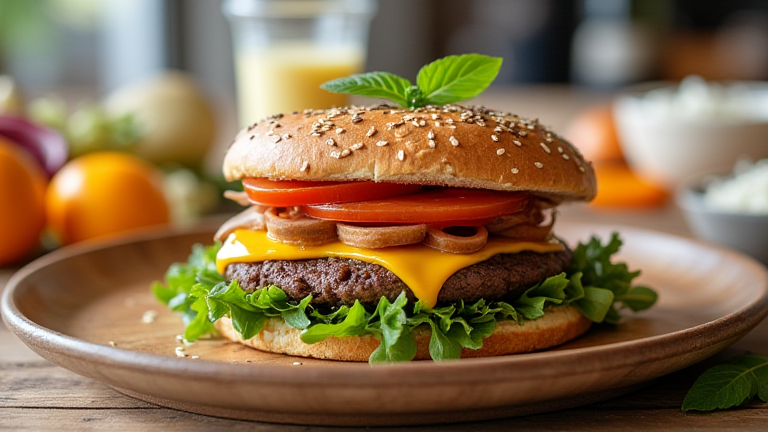
Why People Avoid Fat: Calories vs. Other Reasons
TL;DR: People avoid fat primarily because they fear excessive caloric intake and the associated risk of weight gain, viewing high-fat foods as dense energy sources that are difficult to control. However, other significant reasons include misconceptions about heart health, cultural dietary trends, and a general preference for lighter, less heavy-feeling meals.
Understanding the Caloric Misconception
Many individuals avoid dietary fat under the assumption that it is the primary driver of obesity. While fat is indeed calorie-dense, containing nine calories per gram compared to four for protein and carbohydrates, the issue is rarely the macronutrient itself but rather the total caloric surplus. When people eat more fat than their body requires, they store the excess energy. To avoid this, one must understand that fat is not inherently “bad,” but rather a tool that requires precise portion management. If you consume a high-fat diet, you must naturally reduce carbohydrate or protein intake to maintain a caloric balance. The avoidance often stems from a lack of understanding that a calorie is a calorie, regardless of its source. By focusing on total energy intake rather than demonizing specific macronutrients, individuals can make more informed dietary choices without unnecessary fear.
If you want to dig deeper, check out our guide on 10 Simple Lifestyle Changes for a Happier, Healthier You.
Health Perceptions and Cultural Trends
Beyond simple caloric counting, many people avoid fat due to deep-seated health beliefs. For decades, public health messaging linked high saturated fat intake directly to coronary heart disease. Although modern science has nuanced this view, showing that total fat intake is less detrimental than trans fats or excessive sugar, the cultural stigma persists. Many individuals believe that keeping their diet low in fat is essential for lowering cholesterol and maintaining vascular health. Additionally, there is a strong cultural preference for “light” eating. Foods high in fat are often perceived as heavy, greasy, or difficult to digest. This sensory experience can lead to avoidance, as people prefer meals that leave them feeling lighter and more energized. Social media and diet trends often promote low-fat, high-protein regimens as the ultimate path to wellness, further reinforcing the idea that fat is an enemy to be avoided rather than a nutrient to be embraced.
Step-by-Step Guide to Rational Fat Consumption
1. Assess Your Current Intake: Track your food for three days to see how much fat you are actually consuming. This helps identify if you are avoiding it out of habit or necessity.
2. Educate Yourself on Fat Types: Distinguish between saturated, unsaturated, and trans fats. Focus on eliminating trans fats and reducing saturated fats, while embracing unsaturated sources like avocados, nuts, and olive oil.
3. Adjust Portions, Not Presence: Instead of removing fat from your diet, reduce the portion sizes. This allows you to enjoy the flavor and satiety benefits of fat without exceeding your caloric needs.
4. Balance Your Plate: Ensure that your meals include a mix of protein, complex carbohydrates, and healthy fats. This balance helps regulate blood sugar and keeps you full longer, preventing overeating.
5. Monitor Your Response: Pay attention to how different fats make you feel. If certain high-fat foods cause digestive discomfort, consider switching to gentler sources like fish or flaxseeds.
Tips for Sustainable Change
Do not eliminate fats entirely, as they are crucial for hormone production and nutrient absorption. Instead, focus on quality. Choose whole food sources of fat over processed options. Keep a food journal to track your progress and adjust your strategy based on your personal health goals. Remember that dietary preferences are individual, and what works for one person may not work for another. Experiment with different fat sources to find what suits your lifestyle and taste preferences best.
FAQ
Q: Is all dietary fat bad for you?
A: No, dietary fat is essential for many bodily functions. The key is to choose healthy fats and consume them in moderation as part of a balanced diet.
Q: Can I lose weight
Leave a Reply