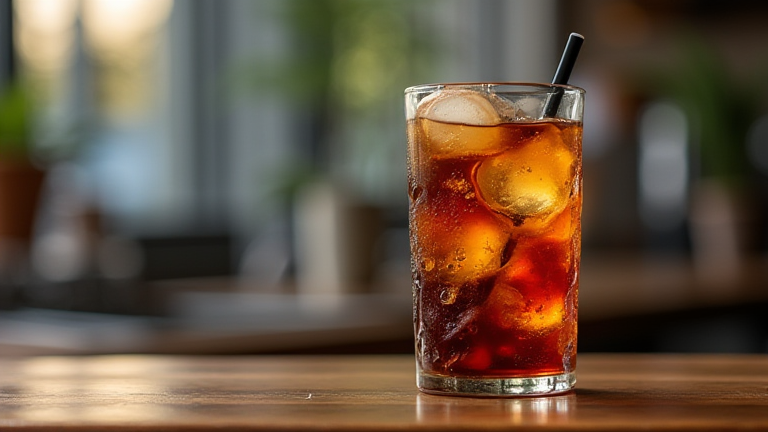
TL;DR: Cold brew coffee is surging due to its smoother flavor profile and high convenience factor, driving a significant shift in consumer beverage preferences. The market is expanding rapidly as consumers seek premium, low-acidity alternatives to traditional hot coffee.
The Rise of Cold Brew
The global coffee market is undergoing a seismic shift, with cold brew emerging as a dominant force. According to recent industry reports, the global cold brew coffee market was valued at approximately $3.2 billion in 2023 and is projected to grow at a CAGR of over 12% through 2030. This growth is not merely a passing fad but a structural change in how consumers approach their daily caffeine intake. The ease of preparation, combined with a perceived health benefit regarding lower acidity, has made it a staple for both home brewers and commercial establishments alike.
If you want to dig deeper, check out our guide on Why Magnesium Glycinate Beats Oxide for Better Sleep.
Five Drivers of the Trend
1. Flavor Profile: Experts from the Specialty Coffee Association note that the slow extraction process results in a beverage with less bitterness and acidity. This smoother taste appeals to a broader demographic, including those who find hot coffee too harsh.
2. Convenience: In our fast-paced lives, cold brew offers pre-made convenience. It can be prepared in bulk, stored for days, and served instantly. This aligns perfectly with the busy lifestyles of urban professionals who value efficiency without sacrificing quality.
3. Health Perception: Many consumers believe cold brew is gentler on the stomach. While scientific debate continues, the perception of it being a “healthier” option drives significant purchasing behavior, especially among younger demographics concerned with digestive health.
4. Social Media Influence: Visually appealing presentations on platforms like Instagram and TikTok have boosted cold brew’s status. The aesthetic of layered drinks and the ritual of brewing at home have created a cultural moment that drives trial and adoption.
5. Commercial Versatility: Restaurants and cafes are finding that cold brew commands a higher price point than standard drip coffee. It serves as a premium item that enhances menu diversity, allowing businesses to capture a larger share of the wallet.
Future Predictions
Looking ahead, analysts predict that the cold brew market will continue its upward trajectory, driven by innovation in packaging and flavoring. We expect to see more sustainable, biodegradable packaging options and a rise in flavored variants, such as vanilla or caramel infusions. Furthermore, the integration of smart brewing technology will likely personalize the cold brew experience, allowing users to adjust strength and extraction time with precision. As the demand for premium, artisanal beverages grows, cold brew is poised to remain a central pillar of the modern coffee landscape, evolving from a seasonal treat to a year-round staple.
FAQ
Q: Is cold brew coffee healthier than hot coffee?
A: Cold brew generally contains less acidity, which may be easier on the stomach for some people, but both offer similar antioxidant benefits when consumed in moderation.
Q: What is the best way to store homemade cold brew?
A: To maintain freshness, store your cold brew concentrate in an airtight glass container in the refrigerator, where it can last for up to two weeks.
Q: Can I use regular ground coffee for cold brew?
A: Yes, you can, but a coarse grind is recommended to prevent over-extraction and bitterness, ensuring a smoother and more balanced flavor profile.
Leave a Reply