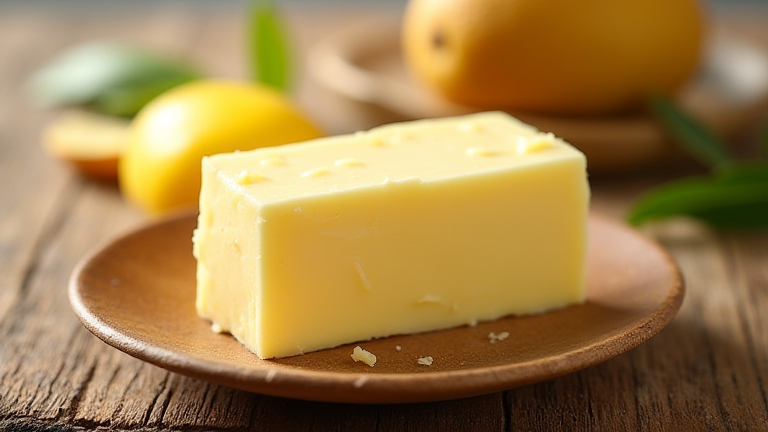
TL;DR: Recent studies indicate that 100% grass-fed butter contains higher levels of conjugated linoleic acid (CLA) and omega-3 fatty acids than conventional dairy, which may offer superior cardiovascular benefits compared to traditional margarine. While margarine has improved its trans-fat profile, grass-fed butter’s natural nutrient density provides a more robust defense against inflammation and oxidative stress.
The Nutritional Shift in Dairy Science
For decades, the debate between butter and margarine has dominated dietary guidelines, with margarine often championed for its lack of saturated fat. However, the latest developments in nutritional science are challenging this binary view. The focus has shifted from simply counting calories or saturated fat grams to analyzing the specific fatty acid profiles of food sources. This nuance is critical for understanding heart health, as not all fats are metabolized in the same way by the human body.
If you want to dig deeper, check out our guide on 7 Simple Daily Habits That Improve Your Long-Term Health.
Key Specifications: Grass-Fed vs. Conventional vs. Margarine
To understand why grass-fed butter is gaining traction among health-conscious consumers, we must examine the specific nutritional specs. Conventional cow-fed butter typically contains high levels of stearic acid and palmitic acid. In contrast, 100% grass-fed butter boasts a distinct profile. It contains significantly higher concentrations of beta-carotene, giving it a deeper yellow hue, which is a potent antioxidant. More importantly for cardiac health, grass-fed butter is rich in CLA, a type of fatty acid linked to reduced body fat and improved insulin sensitivity. It also contains elevated levels of omega-3 fatty acids, which are known to reduce triglyceride levels and lower blood pressure. While modern margarine has largely eliminated artificial trans fats, it often relies on hydrogenated oils or palm oil, which can still contribute to inflammatory markers in the bloodstream when consumed in excess.
Industry Impact and Market Trends
The food industry is rapidly adapting to these emerging health insights. Major grocery chains are now dedicating more shelf space to artisanal, pasture-raised dairy products. This shift is not merely a trend but a response to consumer demand for transparency and quality. Manufacturers are investing in supply chain technologies to verify the “100% grass-fed” claim, ensuring that the cows were raised on open pastures rather than feedlots. This verification process adds a layer of trust that mass-produced margarine brands, which are heavily processed and often contain additives, emulsifiers, and preservatives, cannot easily match. The impact extends to the financial sector as well, with investors showing increased interest in sustainable agriculture startups that focus on regenerative grazing practices, which improve soil health while producing nutrient-dense livestock products.
Cardiovascular Benefits and Inflammation
The primary argument for heart health centers on inflammation. Chronic inflammation is a key driver of atherosclerosis and heart disease. Grass-fed butter’s higher concentration of anti-inflammatory fatty acids helps mitigate this risk. Furthermore, the presence of vitamin K2 in grass-fed butter is crucial, as it helps direct calcium to the bones and away from the arteries, preventing calcification. Margarine, even the “heart-healthy” varieties, often lacks this complex matrix of nutrients. While it may have a lower total saturated fat content, it does not offer the same protective biochemical mechanisms. Recent clinical observations suggest that replacing processed margarine with high-quality, natural fats like grass-fed butter can lead to improved lipid profiles, including higher HDL cholesterol, the “good” cholesterol that protects the heart.
FAQ
Q: Is all butter the same for heart health?
A: No, the feed source of the cow significantly impacts the fatty acid profile; grass-fed butter has higher levels of beneficial fats like CLA and omega-3s compared to grain-fed butter.
Q: Does margarine contain any health benefits?
A: Some fortified margarines provide omega-3s or plant sterols, but they often contain additives and lack the natural nutrient density of high-quality grass-fed dairy products.
Q: How much grass-fed butter is safe to consume daily?
A: Moderation is
Leave a Reply